Table of Contents
Choosing hotel room furniture is not only a design decision. For hotel owners, developers, procurement teams, and project contractors, it affects guest comfort, housekeeping efficiency, replacement cycles, brand consistency, and the way every room photographs online. A good specification helps the supplier understand the room type, expected use, material preference, loading schedule, and installation conditions before production begins.
This guide explains how to plan hotel room furniture for real projects, with practical checkpoints for beds, mattresses, sofas, storage pieces, materials, samples, and supplier communication. A hotel room furniture plan should reduce unclear requirements before ordering and make each guest room easier to operate after opening.
Start With the Guest Room Use Case
Before selecting hotel room furniture, define how each room will be used. A short-stay business room may need a compact work zone, a supportive mattress, and durable upholstery that cleans quickly. A resort villa may need a larger sofa, lounge seating, and a softer residential look. A serviced apartment often needs more storage, stronger bed frames, and furniture that can handle longer stays.
Create a room-by-room schedule before discussing drawings. Include room size, bed size, traffic flow, power outlet locations, cleaning access, and whether furniture must be flat packed, assembled on site, or delivered as finished pieces. This prevents the common problem of beautiful hotel room furniture that looks right in a sample photo but does not fit the operational reality of the property. In procurement meetings, a clear hotel room furniture schedule also helps designers, owners, and suppliers speak from the same document.
Build the Core Furniture List
Most hotel room furniture projects begin with a repeatable core list. The exact items vary by brand standard, but the procurement logic is similar: prioritize pieces guests touch every day, then confirm accent items that support the room story. When the hotel room furniture list is organized early, it is easier to compare samples and avoid last-minute substitutions.
- Bed frame or platform base, such as a wooden bed frame, fabric bed frame, or metal structure depending on the design language.
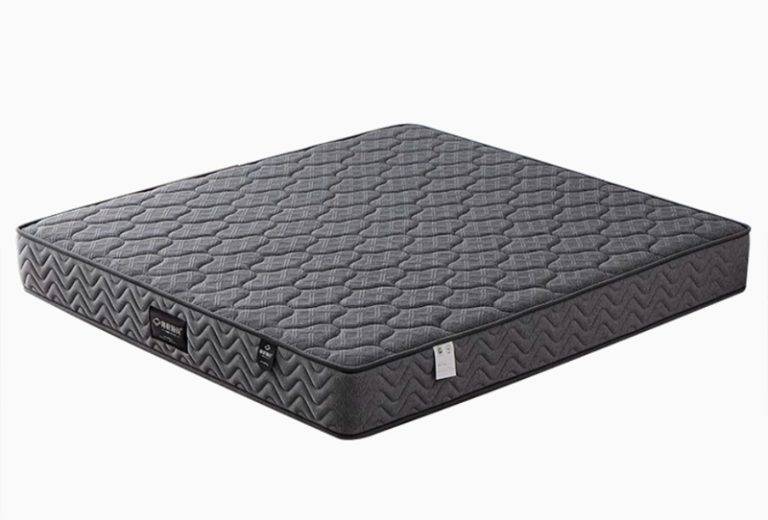
- Mattress system, including support level, height, edge feel, and compatibility with housekeeping practices.
- Nightstands, headboards, desks, wardrobes, luggage benches, mirrors, and storage pieces.
- Seating, including lounge chairs, compact sofas, sofa beds, or modular options for suites.
- Loose furniture details such as handles, glides, upholstery, stitching, color matching, and packaging marks.
For a mixed property with standard rooms, suites, and family rooms, keep hotel room furniture specifications modular where possible. A shared finish, handle style, or upholstery palette can simplify purchasing while allowing each room type to feel intentional. This is especially useful when hotel room furniture must be repeated across many rooms without making the property feel generic.
Specify Beds and Mattresses Together
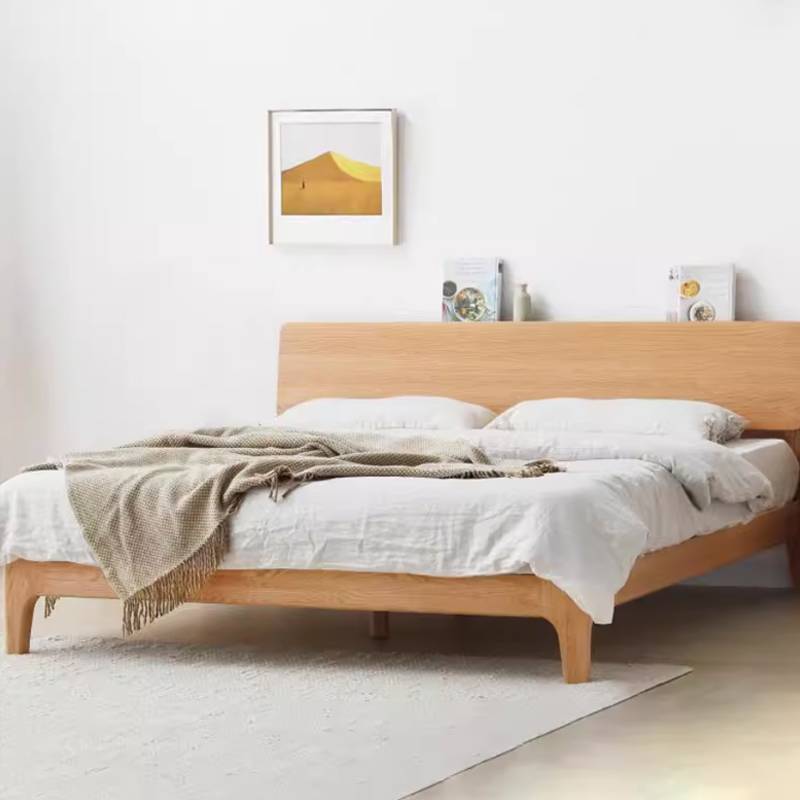
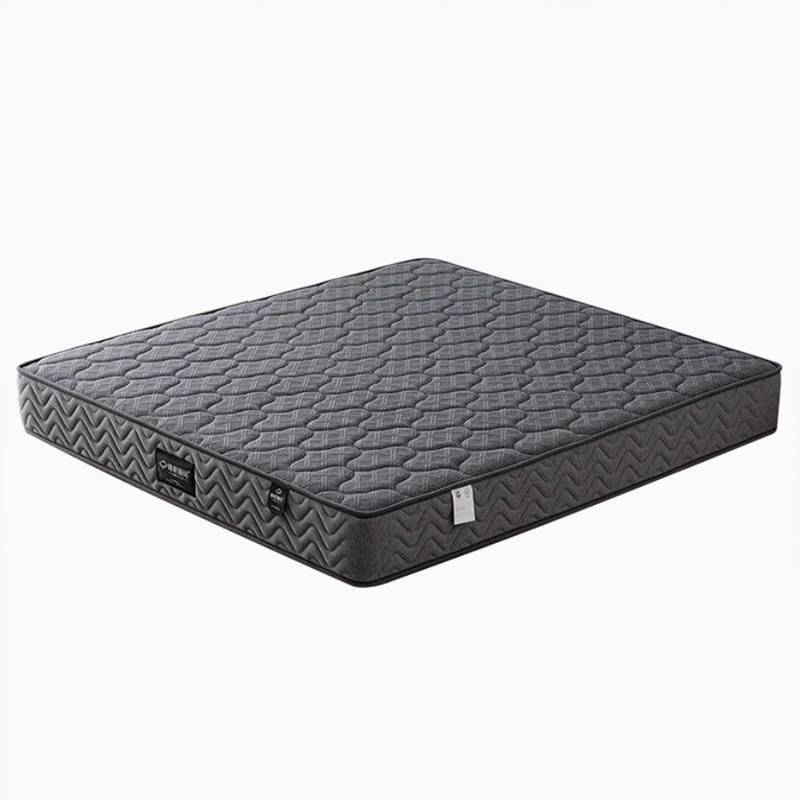
The bed is the center of most guest reviews, so the frame and mattress should be specified as one system. A heavy mattress on a weak base can create noise, movement, or early wear. A strong frame with the wrong mattress height can make the room look awkward or make housekeeping harder.
For frames, confirm structure, slat spacing, corner protection, fabric or leather wrapping, and the way the base connects to the headboard. MH Global offers options such as fabric bed frames, leather bed frames, and metal or wooden structures that can support different room styles. For mattresses, compare foam, innerspring, and hybrid mattress choices based on guest expectations and room positioning.
When communicating hotel room furniture requirements, include mattress thickness, bed height target, headboard height, fabric color, and whether the bed must coordinate with wall panels or case goods. If the project has accessible rooms, review clearances and usability separately instead of copying a standard room layout. Treat the bed zone as the anchor of the hotel room furniture package, not as a single isolated item.
Choose Seating for Wear, Cleaning, and Layout
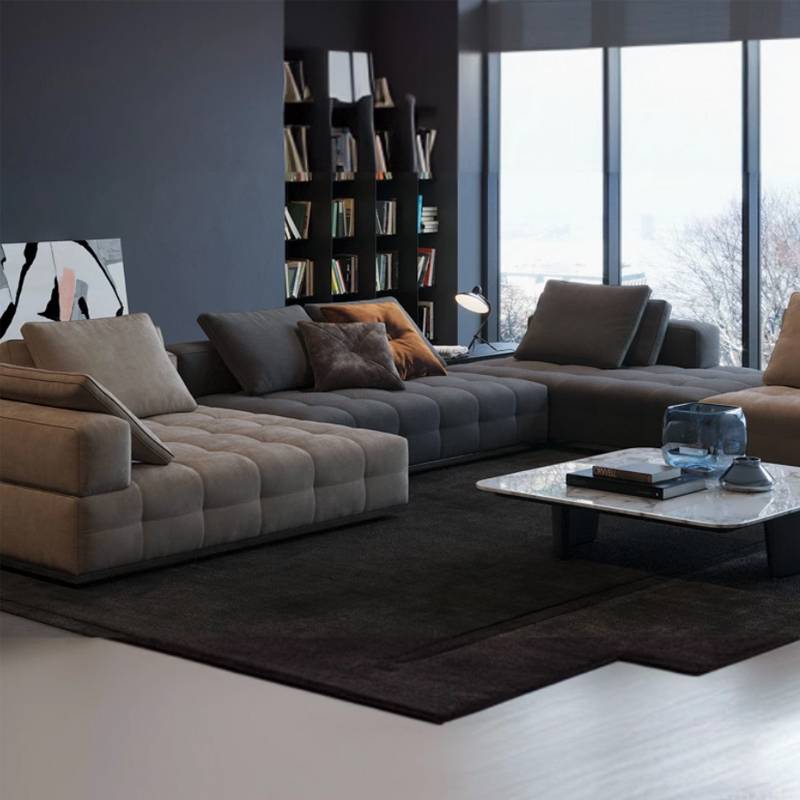
Guest room seating is often underestimated. A chair that looks elegant but blocks circulation will frustrate guests and housekeeping teams. A sofa with fragile upholstery may look polished at opening but become difficult to maintain after repeated turnover. Good hotel room furniture seating should support the room layout instead of competing with it.
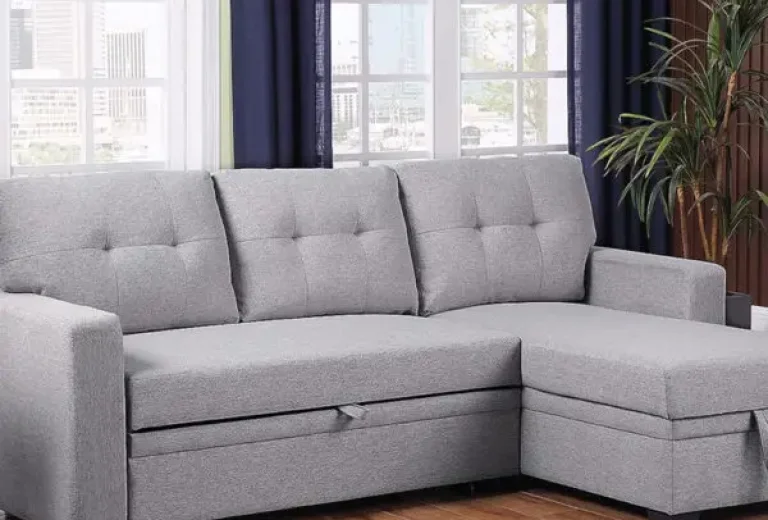
For compact rooms, a small lounge chair or slim sofa couch can create comfort without crowding the luggage zone. For suites and villas, larger sofas, sofa beds, or sectional pieces can support family travel and longer stays. If recline functions are required, discuss mechanism access, power requirements, service space, and user safety before finalizing the layout.
Compare Materials With Project Risk in Mind
The best material is not always the most decorative one. In hotel room furniture, material decisions should balance appearance, cleaning method, humidity, guest turnover, local climate, and replacement planning. A coastal resort, an urban business hotel, and a serviced apartment building may need different finishes even if the room style looks similar.
| Item | Key Specification | Why It Matters |
|---|---|---|
| Bed frame | Structure, slats, upholstery, corner details | Controls stability, noise, and visible wear |
| Mattress | Support level, height, edge feel | Shapes comfort and housekeeping workflow |
| Sofa or chair | Fabric, foam, frame, mechanism if any | Affects cleaning, guest comfort, and service life |
| Case goods | Panel finish, hardware, edges, packaging | Reduces damage during use and installation |
For wood-related components, buyers may ask suppliers about responsible material sourcing. The Forest Stewardship Council provides useful background on responsible forestry. For commercial seating and office-style furniture, BIFMA standards are a helpful reference point for understanding durability and safety testing language. These references are not a substitute for project-specific testing, but they help buyers ask better questions.
Request Samples Before Bulk Production
A sample is not only for color approval. It is the buyer’s chance to test how hotel room furniture feels, moves, cleans, and photographs. Sit on the chair. Open the drawer repeatedly. Check stitching alignment. Inspect the underside of the bed. Compare finish samples under warm and cool lighting. Ask housekeeping or operations staff to review the sample when possible, because they often notice practical issues designers may miss.
Document every approved sample detail with photos and written notes. If a finish, fabric, foam density, or hardware detail changes later, the approval record helps both sides resolve the issue quickly. For larger projects, sample rooms are especially useful because they reveal whether the full hotel room furniture package works as a complete guest experience.
Check Quality Systems and Documentation
Reliable hotel room furniture sourcing depends on clear documentation. Ask for drawings, material descriptions, packing methods, carton marks, installation notes, and care guidance. If quality management is important for the project, ISO 9001 offers a useful general reference for quality management principles. For human comfort and usability, the concept of ergonomics is also worth considering when reviewing seating height, desk use, bed access, and circulation.
Do not rely on vague descriptions such as “standard hotel quality.” Instead, define what must be measured: dimensions, tolerances, upholstery color, finish sample, packaging strength, hardware type, and inspection points. This makes hotel room furniture communication more precise and lowers the chance of disputes during delivery.
Plan Logistics Early
Even well-made hotel room furniture can create problems if logistics are planned too late. Confirm packaging size, floor access, elevator dimensions, site storage, delivery batches, and the installation sequence. Furniture for a new build may arrive before rooms are fully ready; replacement furniture for an operating hotel may need phased delivery to avoid blocking guest operations.
Share realistic project milestones with the supplier, including drawing approval, sample approval, production start, inspection, shipping, and site installation. For custom work, build enough time for feedback. A rushed hotel room furniture approval often creates more risk than a slightly longer planning stage.
Questions to Ask a Supplier
- Can you adapt dimensions for different room types while keeping the same design language?
- What materials, finishes, and upholstery options are recommended for hotel use?
- How are samples approved and recorded before bulk production?
- What packaging methods protect corners, fabric, and visible surfaces during transit?
- Can drawings, installation notes, and replacement part information be supplied?
MH Global supports hotel and commercial buyers with product categories including bed frames, mattresses, sofas, recliner seating, and custom furniture coordination. You can review our services, explore the product range, or contact us with project drawings, room quantities, target materials, and delivery expectations. For supplier evaluation, you may also find our custom furniture manufacturer guide useful.
Final Takeaway
The right hotel room furniture package should look consistent, feel comfortable, and support daily operations after the opening photos are finished. Start with the guest room use case, specify beds and mattresses together, choose seating with cleaning and layout in mind, document sample approvals, and communicate quality expectations clearly. That approach helps buyers make better hotel room furniture decisions and gives suppliers the information they need to deliver pieces that fit the project.