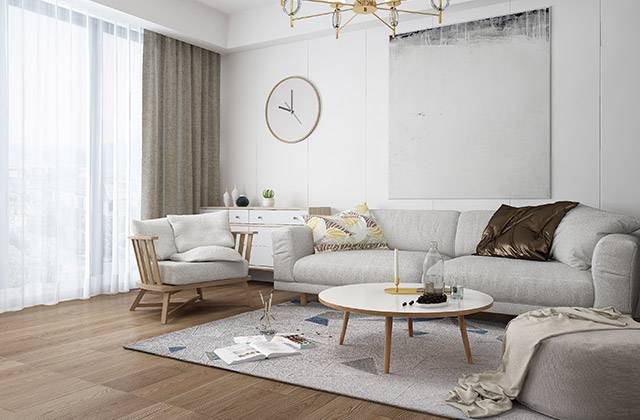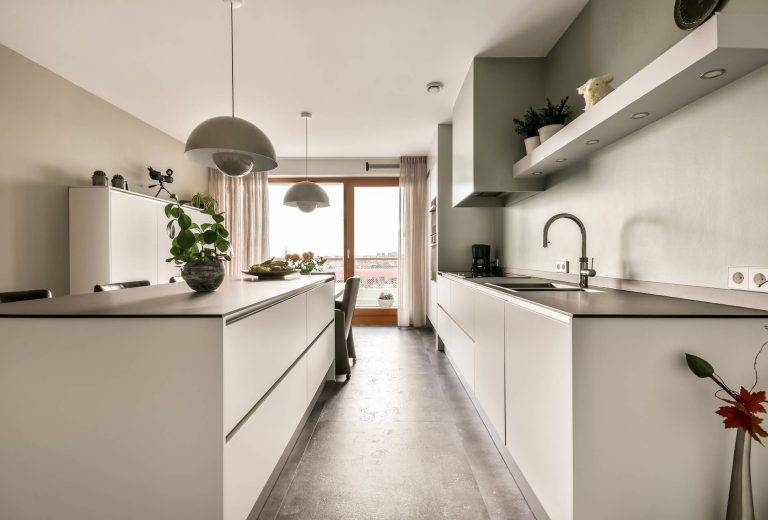
In hospitality projects, furniture is not just decoration. It shapes the first impression, supports guest comfort, affects housekeeping efficiency, and influences how long a room can stay fresh before the next renovation cycle. That is why more hotel owners, developers, designers, and procurement teams are turning to custom hotel furniture instead of relying only on standard retail-style pieces.
A hotel room has to work harder than a residential bedroom. Beds, headboards, sofas, desks, wardrobes, bedside tables, and mattresses must handle frequent use, luggage impact, cleaning routines, climate differences, and different guest expectations. At the same time, the room must still feel warm, memorable, and aligned with the hotel’s positioning.
This guide explains how to choose custom hotel furniture from a practical B2B perspective: design strategy, materials, guest comfort, sustainability, quality control, FF&E coordination, and supplier selection. For buyers planning a hotel, villa, serviced apartment, resort, or commercial accommodation project, working with an experienced manufacturer such as Minghuang custom furniture services can help turn a design concept into scalable, project-ready furniture.
Table of Contents
Why Custom Hotel Furniture Matters More Than Standard Furniture
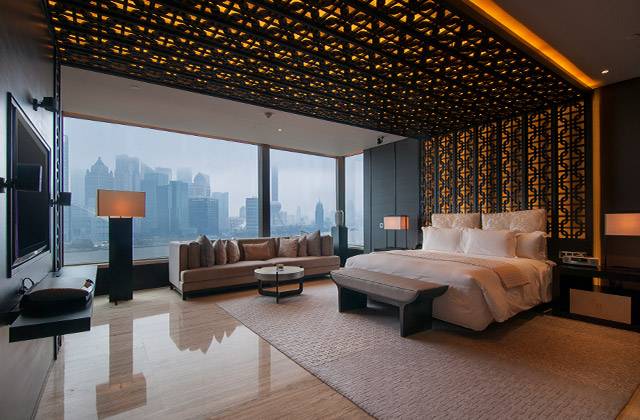
Standard furniture may look attractive in photos, but hotel environments demand a higher level of planning. A guestroom is a compact operational system. Every piece must support comfort, movement, cleaning, storage, safety, and visual consistency.
Custom hotel furniture allows project teams to define:
- Dimensions that match the room layout
- Materials suitable for high-frequency commercial use
- Color palettes aligned with the interior concept
- Upholstery options for sofas, lounge chairs, and headboards
- Bed and mattress combinations designed for guest comfort
- Storage solutions that match real travel habits
- Packaging and logistics suitable for bulk hotel delivery
- Replacement planning for long-term property operation
Unlike one-size-fits-all products, custom furniture can be developed around the exact needs of the project. For example, a city hotel may need space-saving beds, compact writing desks, and stain-resistant upholstery. A resort may need warmer textures, larger lounge seating, and moisture-resistant materials. A serviced apartment may need more storage and multi-functional sofa solutions.
For buyers who need multiple product categories in one project, the Minghuang product center provides a useful starting point for sofas, beds, mattresses, and related furniture solutions.
The New Hotel Room Standard: Comfort, Durability, and Identity
Modern guests do not judge hotel rooms only by appearance. They notice how the bed feels, whether the sofa supports real relaxation, whether the desk is comfortable enough for work, and whether the room feels calm rather than generic.
This creates three major requirements for custom hotel furniture.
First, furniture must support comfort. A good-looking chair that feels uncomfortable will not improve the guest experience. A mattress that lacks support may damage sleep quality. A headboard that is poorly proportioned may make the room feel unfinished.
Second, furniture must be durable. Hotel rooms experience repeated check-ins, suitcase movement, cleaning chemicals, spills, and daily wear. Commercial furniture should be designed with reinforced structures, stable frames, reliable hardware, and easy-care surfaces.
Third, furniture must express identity. Hotels increasingly want rooms that feel distinctive. Custom finishes, tailored upholstery, curved silhouettes, warm wood tones, and coordinated furniture sets help create a memorable space without relying on excessive decoration.
This is where custom hotel furniture becomes valuable: it connects design, engineering, production, and guest experience into one coordinated solution.
Start With the Guest Journey, Not the Furniture List
Many hotel furniture projects begin with a spreadsheet: bed, nightstand, wardrobe, sofa, desk, chair, mattress, mirror, cabinet. A list is necessary, but it should not be the first step.
A better approach is to map the guest journey inside the room.
Ask questions such as:
- Where does the guest place luggage after entering?
- Is the sofa used for relaxing, working, or sleeping?
- Does the bed area feel calm and premium?
- Is the bedside table large enough for personal devices?
- Can housekeeping clean around the furniture efficiently?
- Are corners, legs, and upholstery details designed for real use?
- Does the furniture layout support both leisure and business travelers?
Once the guest journey is clear, the furniture list becomes more strategic. For example, the sofa is no longer just “one sofa.” It becomes a seating solution that must fit the room, support the design language, and withstand commercial use. The bed is no longer just a frame. It becomes the center of the sleep experience, supported by the right mattress, headboard, base structure, and surrounding furniture.
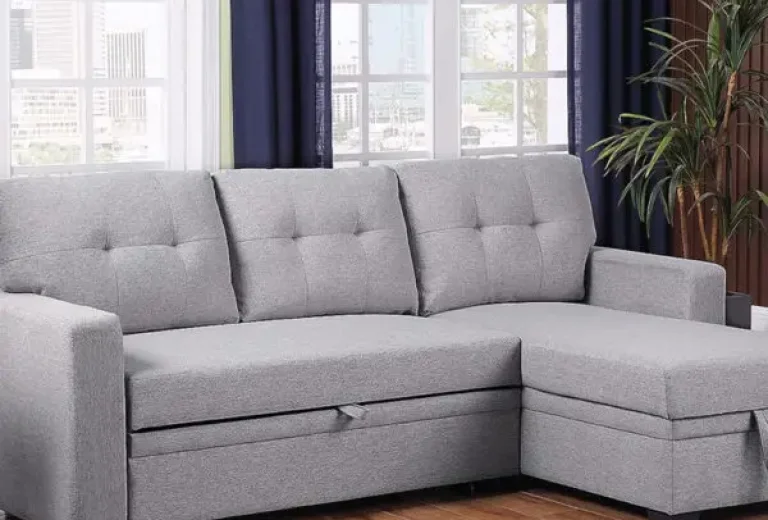
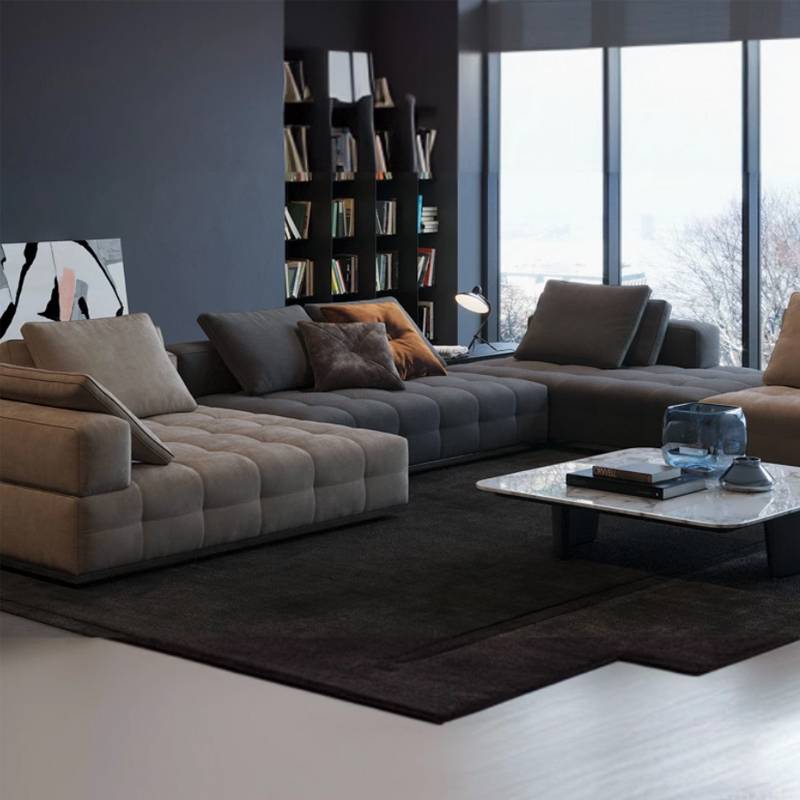
For hotel lounge areas, suites, and guest rooms, sofas and sectionals can be customized to match seating capacity, fabric preference, room size, and brand style.
Choose Materials Based on Use Intensity
Material selection is one of the most important decisions in custom hotel furniture. The right material can extend product life, reduce maintenance pressure, and maintain a high-end look for longer. The wrong material can lead to visible wear, difficult cleaning, or premature replacement.
For guestroom casegoods such as wardrobes, desks, bedside tables, and cabinets, buyers should consider structural stability, surface resistance, edge protection, and moisture performance. For seating, upholstery should be evaluated for abrasion resistance, stain handling, texture, color stability, and cleaning compatibility. For beds, frame strength and headboard construction are especially important because these pieces are used every day.
A practical material strategy often includes:
- Reinforced internal frames for long-term stability
- Easy-clean surfaces in high-touch areas
- Commercial-grade upholstery for seating
- Moisture-resistant finishes where humidity is a concern
- Rounded or protected edges in narrow room layouts
- Replaceable components where possible
- Coordinated finishes across beds, sofas, tables, and cabinets
Sustainability is also becoming a stronger part of procurement decisions. Buyers may look for wood sourcing aligned with FSC forest sustainability, quality systems related to ISO 9001 and ISO 14001, and furniture performance expectations informed by BIFMA furniture standards.
Beds and Mattresses: The Core of Guest Satisfaction
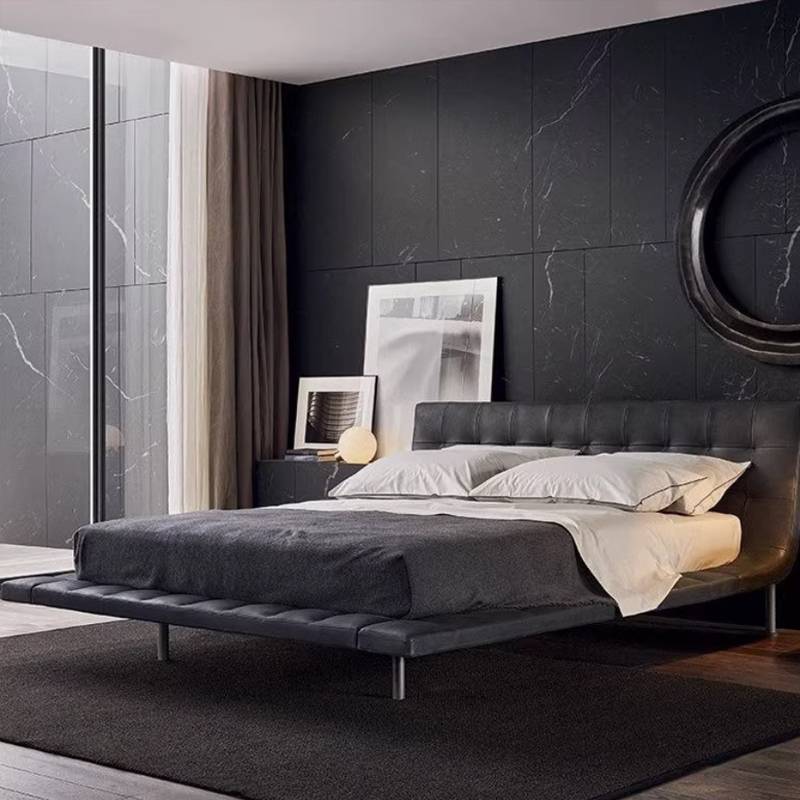
The bed is usually the most important piece of furniture in a hotel room. Even if the room looks beautiful, poor sleep can damage the guest’s overall impression. That makes bed and mattress selection a strategic priority.
A custom hotel bed should balance strength, comfort, design, and maintenance. The frame must remain stable under repeated use. The headboard should match the room’s visual style while also supporting comfort for reading, working, or relaxing. The base should be designed for easy room cleaning and long-term structural reliability.
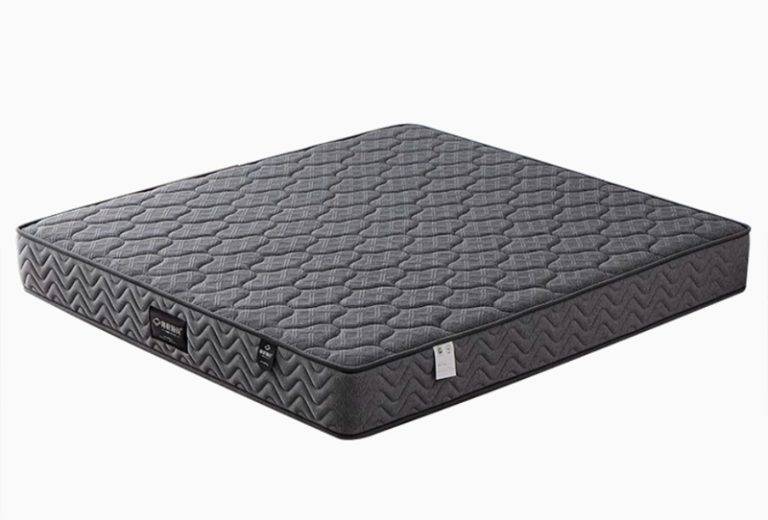
Mattresses require equal attention. A mattress should not be selected only by softness. Hotel buyers need to consider support zones, breathability, edge support, durability, and compatibility with different guest preferences. A mattress that feels comfortable to a wide range of guests can improve sleep satisfaction and reduce complaints.
Minghuang offers both beds and headboards and mattress solutions, which makes it easier for project buyers to coordinate the sleep system instead of sourcing each component separately.
Sofas, Lounge Chairs, and Public Area Seating
Hotel seating plays a different role depending on the space. In a guest room, a sofa or lounge chair may support reading, relaxing, working, or short visits. In a lobby, seating must create a welcoming atmosphere while handling heavy traffic. In a suite, the sofa becomes part of the premium experience.
Custom seating should be planned around both visual design and functional use. A deep, soft sofa may work well in a villa suite, while a compact, structured sofa may be better for a business hotel. Curved shapes can soften a room, while clean-lined seating can make a space feel more modern and efficient.
Key points to evaluate include:
- Seat depth and height
- Back support
- Upholstery durability
- Cushion recovery
- Frame strength
- Leg design and floor protection
- Cleaning access
- Fabric color and texture under hotel lighting
The best hotel seating does not feel fragile or overly decorative. It feels comfortable, stable, and intentionally designed for the space.
Custom Hotel Furniture and FF&E Coordination
In hotel development, furniture is part of the broader FF&E process. FF&E generally refers to furniture, fixtures, and equipment that help complete the interior environment. For hotels, this may include beds, sofas, desks, chairs, tables, wardrobes, lighting, mirrors, and decorative elements.
Custom hotel furniture becomes more effective when it is coordinated early with the full FF&E schedule. Waiting too long can create problems such as wrong dimensions, delayed samples, finish mismatches, packaging issues, or installation conflicts.
A strong FF&E furniture process should include:
- Room layout review
- Furniture specification development
- Material and color confirmation
- Sample approval
- Production schedule planning
- Packaging design
- Shipping coordination
- Installation guidance
- After-sales support
- Replacement and maintenance planning
Because Minghuang supports OEM/ODM customization, project-based bulk orders, CAD-related services, logistics support, and after-sales service, buyers can use custom furniture services to connect product development with project execution.
Sustainability Is Becoming a Procurement Requirement
Sustainable hotel design is no longer just a marketing topic. More hotel developers and operators are considering material sourcing, emissions, durability, repairability, and long-term waste reduction when choosing furniture.
The most sustainable furniture is not always the piece with the most fashionable eco-label. It is often the furniture that lasts longer, can be maintained properly, uses responsibly sourced materials, and avoids early replacement.
Important sustainability factors include:
- Responsible wood sourcing
- Low-emission materials and finishes
- Durable construction
- Replaceable or repairable parts
- Efficient packaging
- Reduced damage during shipping
- Long design life
- Compatibility with green building goals
For projects targeting sustainability-related building standards, buyers may also review the LEED rating system to understand how materials, indoor environmental quality, and responsible sourcing may support broader green building objectives.
When choosing custom hotel furniture, sustainability should be discussed at the specification stage, not after production begins. This allows the manufacturer to recommend suitable materials, finishes, packaging, and production methods from the beginning.
Quality Control: What B2B Buyers Should Check Before Ordering
Quality control is one of the biggest differences between ordinary furniture sourcing and professional hotel furniture manufacturing. A hotel project often involves many rooms, repeated furniture sets, and a tight opening or renovation schedule. Small defects can become large problems when multiplied across hundreds of units.
Before placing a bulk order, buyers should evaluate whether the supplier has a structured inspection process. This may include raw material checks, frame inspections, upholstery checks, dimension verification, finish review, packaging tests, and pre-shipment inspection.
A practical quality checklist should cover:
- Frame strength and stability
- Surface finish consistency
- Upholstery stitching and tension
- Foam density and cushion recovery
- Hardware reliability
- Edge protection
- Color consistency across batches
- Packaging strength
- Labeling accuracy
- Installation instructions
- Replacement part support
Minghuang states that it implements multiple quality inspection processes and supports international certification-related requirements. For B2B buyers, this type of quality framework is important because it reduces risk before furniture arrives at the project site.
Design for Housekeeping and Maintenance
A hotel room must look good not only on opening day but after repeated cleaning and use. That is why housekeeping and maintenance should influence the furniture design.
For example, sofa legs should allow cleaning access or be designed to reduce dust accumulation. Bed bases should avoid unnecessary gaps where items can get lost. Upholstery should be easy to maintain. Surfaces should resist common marks from luggage, cups, and cleaning routines.
Furniture that is difficult to clean may increase operational pressure. Furniture that is easy to damage may require frequent repairs. A smart custom furniture plan helps the hotel maintain room quality with less disruption.
Useful maintenance-focused design choices include:
- Durable corner protection
- Easy-wipe surfaces
- Upholstery selected for commercial cleaning
- Stable legs and reinforced joints
- Headboards designed to resist daily contact
- Modular components for easier replacement
- Protective packaging to reduce delivery damage
This practical side of furniture design is often invisible to guests, but it strongly affects long-term hotel operation.
How to Select a Custom Hotel Furniture Manufacturer
Choosing a manufacturer is not just about product appearance. Buyers should evaluate whether the supplier can support the entire project cycle.
A reliable custom hotel furniture manufacturer should offer:
- Experience with commercial and hospitality projects
- Flexible customization options
- Strong production capacity
- Material and finish guidance
- Sample development support
- Consistent batch production
- Quality inspection systems
- Export packaging knowledge
- Logistics coordination
- After-sales communication
- Clear documentation for project teams
It is also useful to review previous project categories. Minghuang’s custom furniture project cases show experience across hotel rooms, villas, office spaces, and commercial furniture projects. This matters because hotel furniture often requires coordination across many product types, not just one item.
For buyers preparing a new project or renovation, contacting the supplier early helps avoid rushed decisions. The contact page can be used to discuss project scope, room types, customization needs, and sourcing timelines.
Common Mistakes to Avoid in Hotel Furniture Procurement
Even experienced project teams can make furniture sourcing mistakes. The most common issues are not always dramatic; they are practical details that become expensive to fix later.
One mistake is choosing furniture only by appearance. A beautiful sofa with weak internal structure will not perform well in a hotel. Another mistake is ignoring room dimensions. Furniture that is slightly too large can reduce circulation space and make cleaning harder.
A third mistake is separating furniture decisions from the guest experience. For example, a desk without practical storage, a bed without strong support, or a lounge chair that looks good but feels uncomfortable can weaken the room experience.
Other mistakes include:
- Confirming finishes without checking lighting conditions
- Ignoring packaging requirements for bulk delivery
- Choosing materials without cleaning compatibility
- Delaying sample approval
- Not checking production capacity
- Not planning replacement parts
- Treating sustainability as an afterthought
- Using too many unrelated furniture styles in one property
Custom hotel furniture should solve these issues before production begins. The earlier the manufacturer joins the conversation, the easier it is to align design, materials, comfort, and delivery.
A Smarter Way to Build Guest Rooms
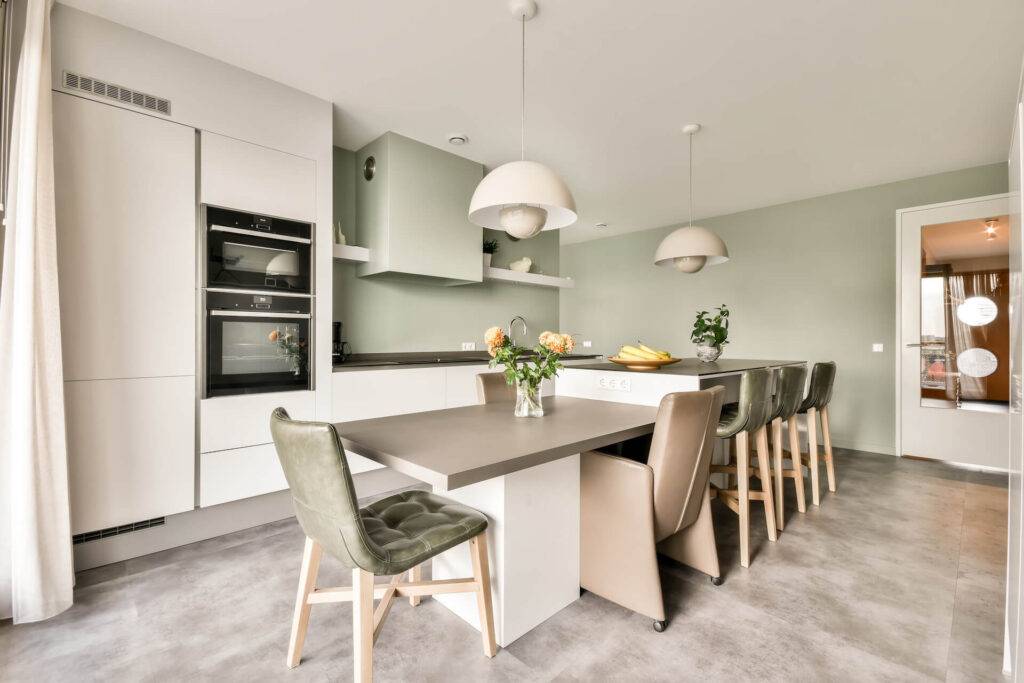
The best hotel rooms are not filled with random furniture. They are built around a clear experience. The bed supports rest. The sofa supports relaxation. The desk supports work. The wardrobe supports travel habits. The materials support maintenance. The design supports brand identity.
Custom hotel furniture gives buyers more control over this entire experience. It helps create rooms that feel intentional, comfortable, and durable. It also supports better coordination between designers, developers, procurement teams, and manufacturers.
For large-scale projects, this coordination can be the difference between a smooth opening and repeated delays. For long-term operation, it can be the difference between furniture that ages gracefully and furniture that needs early replacement.
Conclusion
Custom hotel furniture is one of the most important investments in a hospitality interior project. It affects guest comfort, room appearance, maintenance efficiency, sustainability goals, and long-term operational value.
For B2B buyers, the right approach is to think beyond single products. A successful hotel furniture plan should combine design, materials, engineering, quality control, logistics, and after-sales support. From sofas and sectionals to beds and headboards, mattresses, and full project customization, Minghuang provides furniture solutions designed for hotel, villa, commercial, and project-based spaces.
If you are planning a hotel renovation, new hospitality development, serviced apartment, villa project, or bulk furniture sourcing program, explore Minghuang’s custom furniture services or contact the team to discuss your project requirements.