Table of Contents
A custom bed frame manufacturer can help hotels, villas, apartments, and furniture buyers create bed frames that match room layouts, brand style, mattress height, and project installation needs. The value of customization is not only appearance. It is the ability to control dimensions, materials, structure, upholstery, and packaging before production begins.
This B2B guide explains how to work with a custom bed frame manufacturer in a practical way. It covers project briefs, material choices, structure, sample approval, quality documentation, and delivery planning for commercial furniture orders.

Begin With a Complete Brief
A custom bed frame manufacturer needs more than a reference image. Send room drawings, mattress size, target bed height, headboard height, fabric or leather direction, quantity, installation limits, and delivery expectations. If the frame must coordinate with nightstands, mattresses, sofas, or a full hotel room furniture package, include those details.
The clearer the brief, the easier it is for a custom bed frame manufacturer to advise on structure, upholstery, and packaging. A vague request can lead to attractive samples that do not fit the room, support the mattress correctly, or move easily through the site.
For quotation accuracy, give the custom bed frame manufacturer a target order quantity, room split, preferred Incoterms if your team uses them, and any packaging or labeling rules. If the project is still early, separate “must have” requirements from design preferences. This helps the custom bed frame manufacturer protect the important details while suggesting practical alternatives for materials, assembly, or delivery.
Select Materials by Use Case
Material choice should match the operating environment. A custom bed frame manufacturer may recommend wood for a warm residential look, metal for stronger structure, fabric upholstery for softer hotel interiors, or leather upholstery for premium suites. The best option depends on room style, cleaning practice, guest turnover, and climate.
| Material Direction | Typical Use | Key Question |
|---|---|---|
| Fabric upholstery | Hotels, apartments, soft interiors | How is fabric protected and cleaned? |
| Leather or faux leather | Premium rooms and villas | How is color consistency managed? |
| Metal structure | High-use rooms | How are welds, coating, and noise controlled? |
| Wood structure | Warm classic rooms | How is moisture and finish consistency handled? |
For wood sourcing discussions, the Forest Stewardship Council is a useful background resource. For textiles, OEKO-TEX Standard 100 helps buyers understand tested textile language.
Confirm Structure and Mattress Support
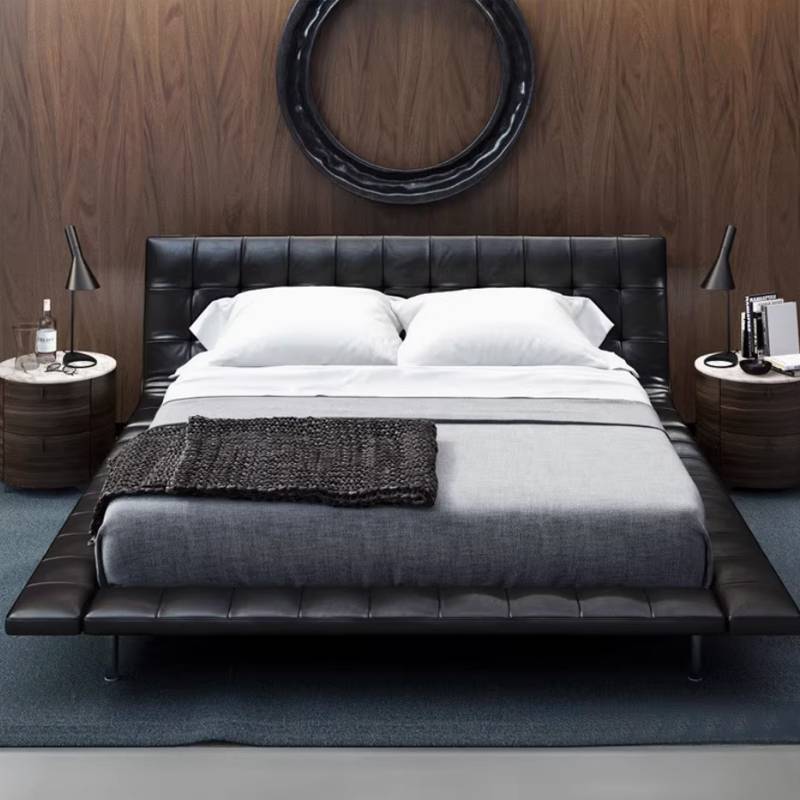
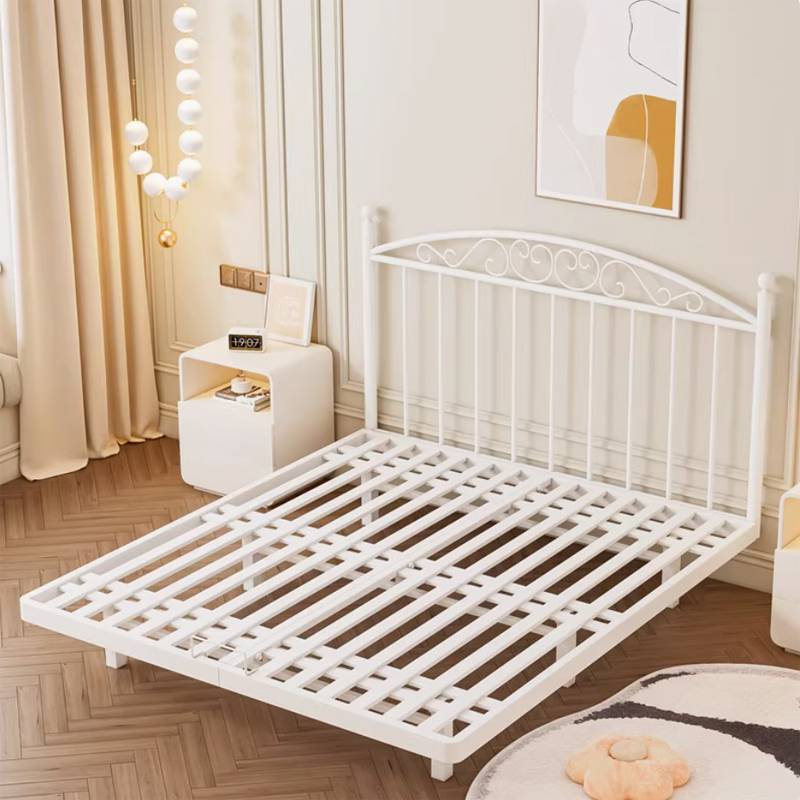
A custom bed frame manufacturer should explain how the frame supports the mattress. Ask about slats, center support, leg placement, corner details, hardware, and how the base connects to the headboard. A beautiful frame can still fail the project if it squeaks, shifts, or makes housekeeping difficult.
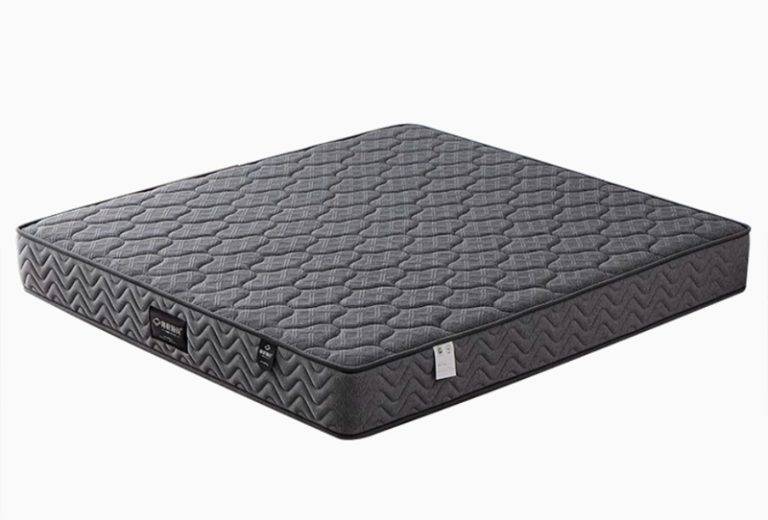
Review the mattress together with the frame. A hybrid mattress, foam mattress, and innerspring mattress may need different support details. General references such as bed frame terminology can help buyers prepare questions, but the custom bed frame manufacturer should provide project-specific drawings.
Use Samples to Control Production
A sample is the bridge between design and bulk order. Ask the custom bed frame manufacturer to label the sample with material codes, dimensions, structure notes, and approved finish details. Check upholstery tension, stitching, padding, corner protection, slat fit, and hardware quality.
Place the sample in a real or mock room if possible. Confirm that the bed height works with the mattress and that there is enough clearance for cleaning. If several room types are included, ask whether the custom bed frame manufacturer can keep the same visual language while adjusting dimensions.
After sample approval, freeze the specification in writing. The document should include the approved finish, upholstery, headboard height, base height, slat structure, hardware, packing method, and any installation notes. This protects both the buyer and the custom bed frame manufacturer because production teams can compare every batch against the same approved standard.
Set Quality and Delivery Expectations
Quality control should be written down. Ask how the custom bed frame manufacturer checks dimensions, frame structure, fabric alignment, color consistency, hardware, packaging, and labels. For general process language, ISO 9001 is a helpful reference for quality management.
Delivery planning matters because custom frames may ship in large panels or partial assemblies. Confirm carton sizes, site access, assembly instructions, and spare hardware. A custom bed frame manufacturer should understand elevator limits, corridor width, room readiness, and phased installation needs.
For large projects, ask whether spare parts, extra fabric, or replacement hardware can be packed separately. A custom bed frame manufacturer that plans after-sales support early can make future maintenance simpler for hotel and apartment operators.

Final Takeaway
A good custom bed frame manufacturer helps buyers turn design ideas into practical commercial furniture. Prepare a clear brief, choose materials by use case, confirm mattress support, approve samples carefully, and document quality and logistics. MH Global offers bed frame and mattress products, project services, and direct contact for drawings and order requirements. Our custom furniture manufacturer guide can also help with supplier evaluation.