Table of Contents
Choosing a contract sofa manufacturer is different from buying a single sofa for a home. Commercial seating must handle repeated use, cleaning routines, guest turnover, installation constraints, and brand consistency across many rooms or public areas. For hotels, serviced apartments, villas, office lounges, student housing, and property developers, the supplier should help translate design intent into a durable and repeatable seating specification.
This guide explains how to evaluate a contract sofa manufacturer before placing a project order. It focuses on frame construction, upholstery selection, foam comfort, sample approval, quality documentation, shipping, and communication details that matter in real commercial furniture sourcing. A clear contract sofa manufacturer brief also keeps design, purchasing, and site teams aligned.
Start With the Project Use Case
Before contacting a contract sofa manufacturer, define where the sofa will be used and who will use it. A hotel lobby sofa has different requirements from a guest room loveseat. A serviced apartment sofa may need stronger fabric and easier maintenance because guests stay longer. A villa project may prioritize a softer residential look while still needing commercial-grade structure.
A clear brief helps a contract sofa manufacturer recommend the right frame, size, seat depth, cushion feel, and upholstery type. Include the project location, room type, quantity, target style, cleaning expectations, delivery schedule, and whether the sofa must coordinate with beds, mattresses, or other furniture. If drawings are available, share them early so the sofa dimensions work with circulation and installation access. The earlier a contract sofa manufacturer sees these details, the easier it is to avoid rework.
Check the Frame Before the Fabric
Many buyers focus first on color, but frame construction is the foundation of commercial seating. A dependable contract sofa manufacturer should be able to explain the frame material, joint method, support system, and how the structure is reinforced for repeated use. A sofa that looks elegant in photos can still become a problem if the frame flexes, creaks, or loses shape too quickly.
Ask whether the frame uses wood, metal, engineered board, or a mixed structure. Review corner reinforcement, suspension support, leg attachment, and how the sofa will be protected during transit. For larger orders, request drawings or structure notes. The best contract sofa manufacturer conversations are specific: not “good frame quality,” but what the frame is made from, how it is assembled, and how it supports the expected use.
Choose Upholstery for Cleaning and Wear
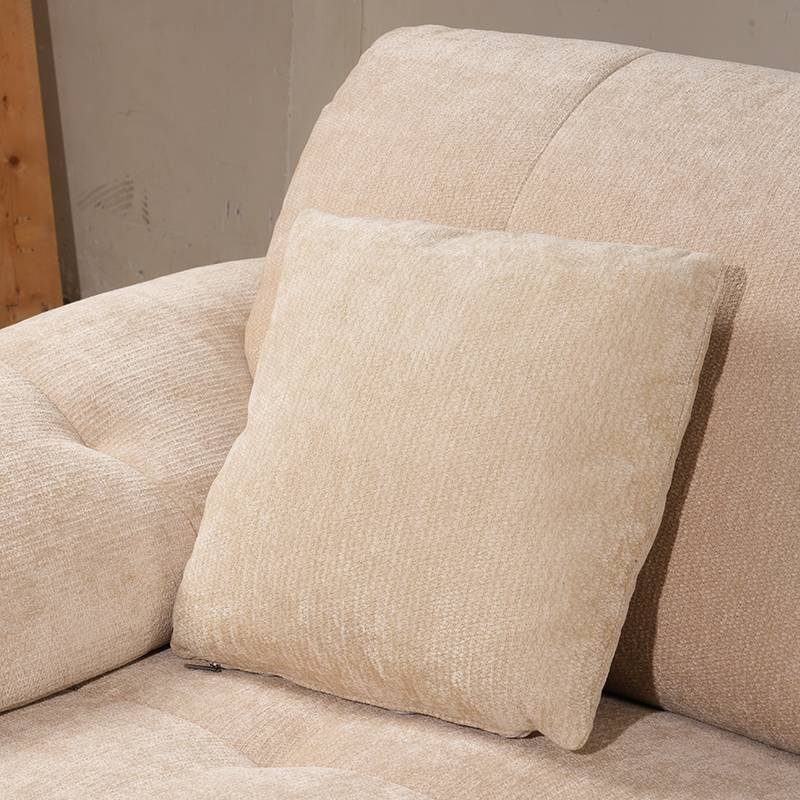
Upholstery affects appearance, maintenance, and replacement planning. A contract sofa manufacturer should ask about cleaning frequency, guest profile, indoor climate, sunlight exposure, and whether the sofa will be placed in a lobby, lounge, bedroom, or rental apartment. Fabric, faux leather, and leather all have different care expectations, so the choice should match operations rather than only the mood board. A practical contract sofa manufacturer will connect upholstery advice to cleaning routines, not just color trends.
| Upholstery Option | Where It Works Well | Buyer Checkpoint |
|---|---|---|
| Woven fabric | Guest rooms, apartments, relaxed lounges | Ask about abrasion, stain treatment, and cleaning method. |
| Faux leather | High-turnover spaces needing easy wipe-down care | Review surface feel, peeling risk, and climate suitability. |
| Leather | Premium suites, executive lounges, villa projects | Confirm grade, color consistency, and maintenance guidance. |
For textile safety language, OEKO-TEX Standard 100 is a useful reference for tested textile components. For broader responsible material questions, the Forest Stewardship Council offers background on forestry-related sourcing. These references help buyers discuss requirements with a contract sofa manufacturer without making unsupported claims about a specific product.
Review Foam Comfort and Seat Support
Comfort is not only about softness. A sofa for commercial use must feel welcoming while holding its shape after repeated sitting. A contract sofa manufacturer should explain the foam structure, seat support, back cushion construction, and whether cushions are fixed, loose, reversible, or replaceable. This matters for housekeeping, maintenance, and long-term appearance.
For guest rooms, medium support often works better than an overly soft lounge feel because the sofa may be used for working, sitting, packing luggage, or short rests. For public lounges, deeper seating can feel more relaxed, but it must still be easy for different guests to stand up. Ask the contract sofa manufacturer to provide a sample or clear comfort reference before approving bulk production.
Match Sofa Type to Commercial Layout
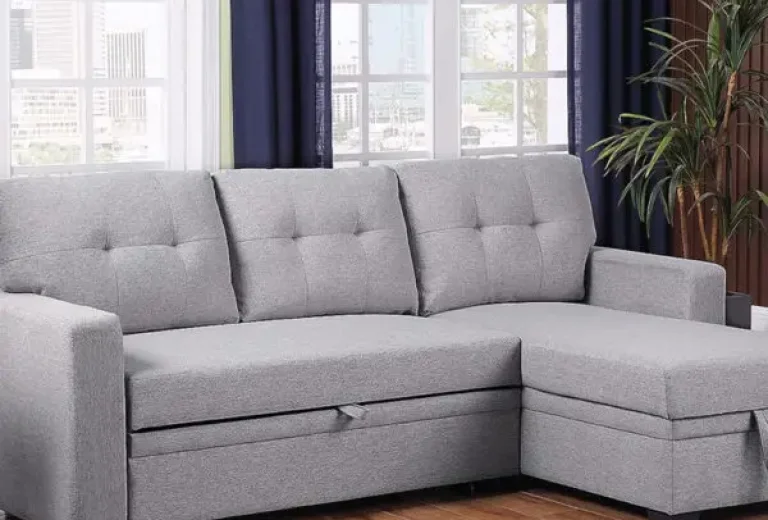
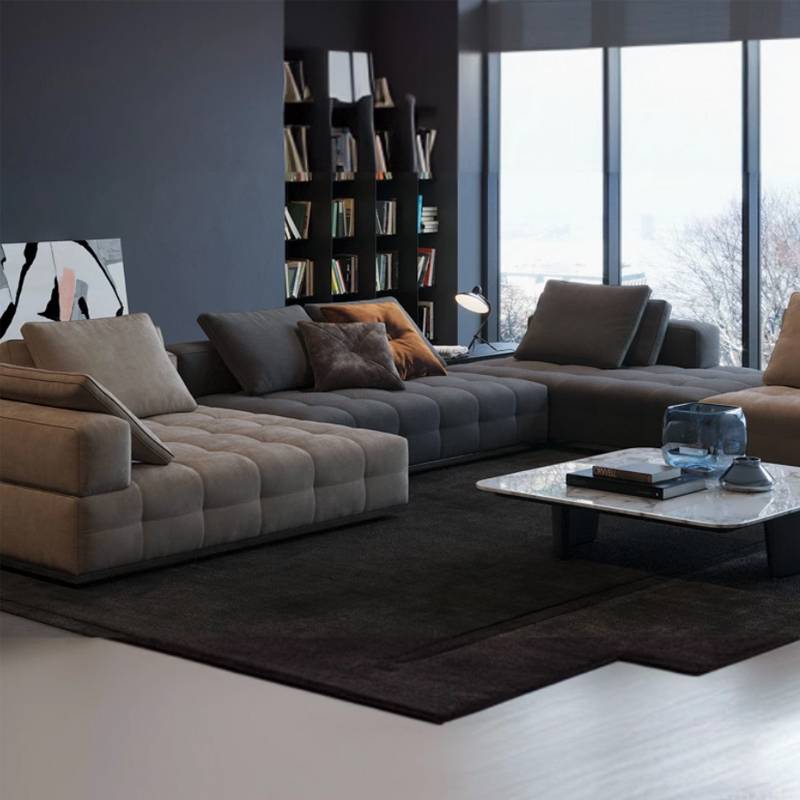
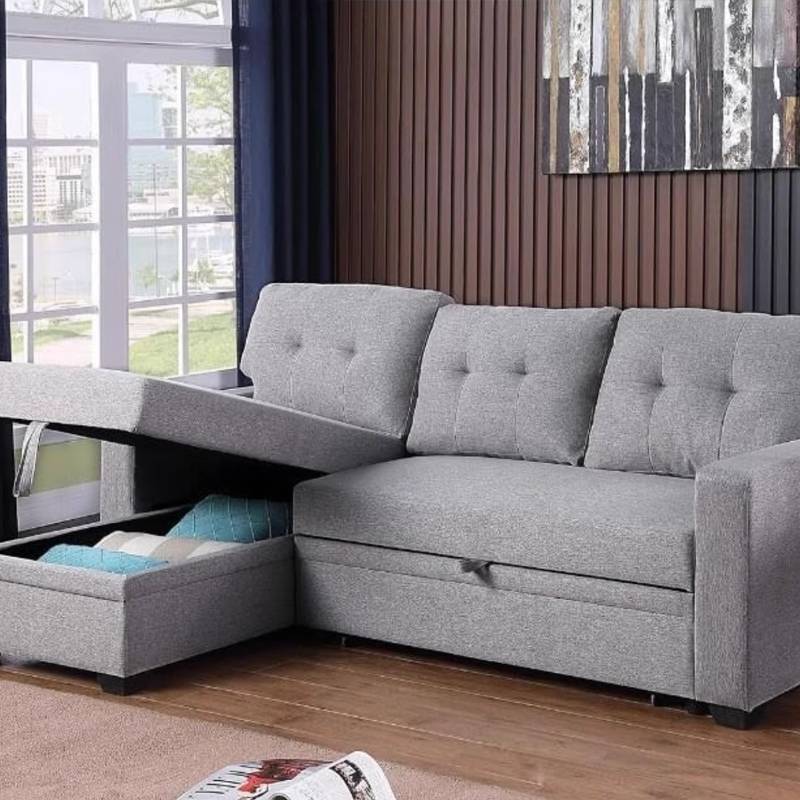
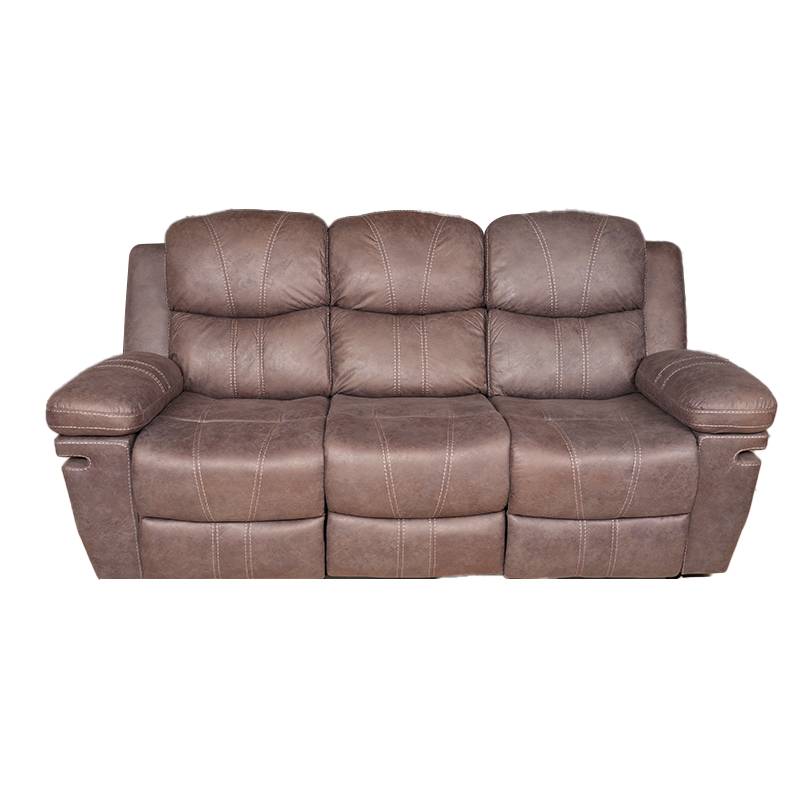
The right sofa format depends on the space. A compact sofa may fit guest rooms and serviced apartments. A sectional sofa can define a lounge zone. A recliner sofa may support premium relaxation areas if power access and service space are planned correctly. A sofa bed can add sleeping flexibility for suites or apartments, but it needs careful review of dimensions and mechanism durability.
A capable contract sofa manufacturer should help buyers compare these formats against the floor plan. Ask about overall width, seat depth, back height, arm style, leg clearance, and packaging size. If the project includes elevators, narrow corridors, or phased room installation, the sofa design must be realistic for the site, not just attractive in a rendering.
Use Samples to Control Risk
Samples are essential for commercial sofa orders. They allow the buyer to check fabric color, cushion comfort, frame stability, stitching, seams, legs, dimensions, and underside finishing. A contract sofa manufacturer should label the sample with approved materials and construction details so the approval record can be matched against production. This is one of the simplest ways a contract sofa manufacturer can reduce confusion during bulk production.
Review samples under the lighting used in the actual property whenever possible. Sit on the sofa for more than a few seconds. Check the edge of the seat, the height of the arms, and whether the sofa works with nearby tables, beds, or case goods. If the project includes hotel room furniture, compare the sofa sample with the wider room palette before approving color and scale.
Ask for Quality and Testing Language
Quality control should be discussed before the order is confirmed. Ask the contract sofa manufacturer how dimensions, frame assembly, upholstery alignment, cushion consistency, leg installation, packaging, and carton marks are checked. For commercial seating, standards published by BIFMA can help buyers understand durability and safety terminology. For general quality management language, ISO 9001 is also a useful reference.
References are helpful, but buyers should still define their own acceptance criteria. Confirm dimensions, tolerance, fabric code, color, stitch position, packaging method, labeling, and inspection photos. A contract sofa manufacturer with organized documentation will usually be easier to work with when the project has multiple room types or several delivery batches. If a contract sofa manufacturer cannot document approvals clearly, small differences can become expensive at scale.
Plan Logistics Before Production Ends
Large sofas can create delivery problems if logistics are left until the last moment. Confirm whether the contract sofa manufacturer will ship fully assembled, partially assembled, compressed, or packed in modules. Check carton size, weight, corner protection, elevator access, site storage, and installation timing. For operating hotels or apartments, phased delivery can reduce disruption.
Share the project schedule with the contract sofa manufacturer early: drawing confirmation, sample approval, production start, inspection, shipping, customs documents if needed, and site handover. Clear milestones help both sides avoid rushed decisions and reduce the chance of sofas arriving before the rooms are ready.
Supplier Questions to Ask
- Can the sofa dimensions be adjusted for different room types?
- What frame, foam, and upholstery options are recommended for commercial use?
- How are samples approved and recorded before bulk production?
- What inspection points are used before shipping?
- Can packaging be planned for elevators, corridors, and phased installation?
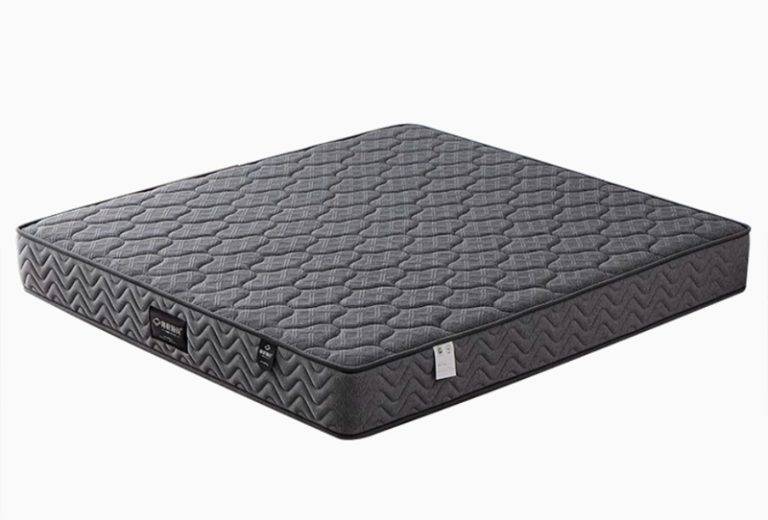
MH Global supports commercial buyers with sofas, recliner seating, sofa beds, bed frames, mattresses, and coordinated furniture sourcing. You can explore our product range, review our services, read our custom furniture manufacturer guide, or contact us with project drawings, quantities, preferred materials, and delivery expectations.
Final Takeaway
A reliable contract sofa manufacturer should help buyers move from style ideas to clear commercial specifications. Start with the project use case, review frame construction before fabric, choose upholstery for cleaning and wear, test samples carefully, document quality checkpoints, and plan logistics early. That approach gives hotels, apartments, and commercial projects a better chance of receiving sofas that look right, feel comfortable, and hold up in daily operation.