Table of Contents
Introduction
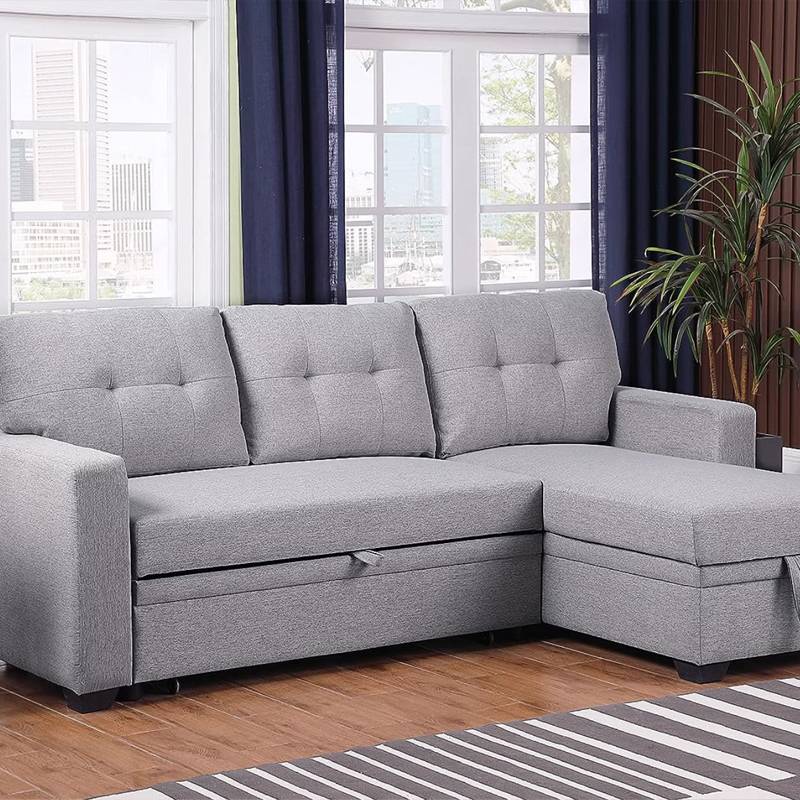
Sofas have evolved from being mere seating furniture to becoming the centerpiece of modern living spaces. A well-chosen sectional sofa doesn’t just provide comfortable seating—it defines the aesthetic of your living room, reflects your personal style, and enhances your overall quality of life at home. Whether you’re entertaining guests, enjoying family movie nights, or simply unwinding after a long day, the right sectional sofa can transform your living experience.
When selecting a sectional sofa, two of the most popular options are wood sectional sofas and fabric sectional sofas, each offering distinct advantages. This comprehensive comparison will help you understand the key differences between these two furniture categories, empowering you to make an informed decision that balances durability, comfort, design, and value for your specific needs.
Overview of Wood Sectional Sofas
What is a Wood Sectional Sofa?
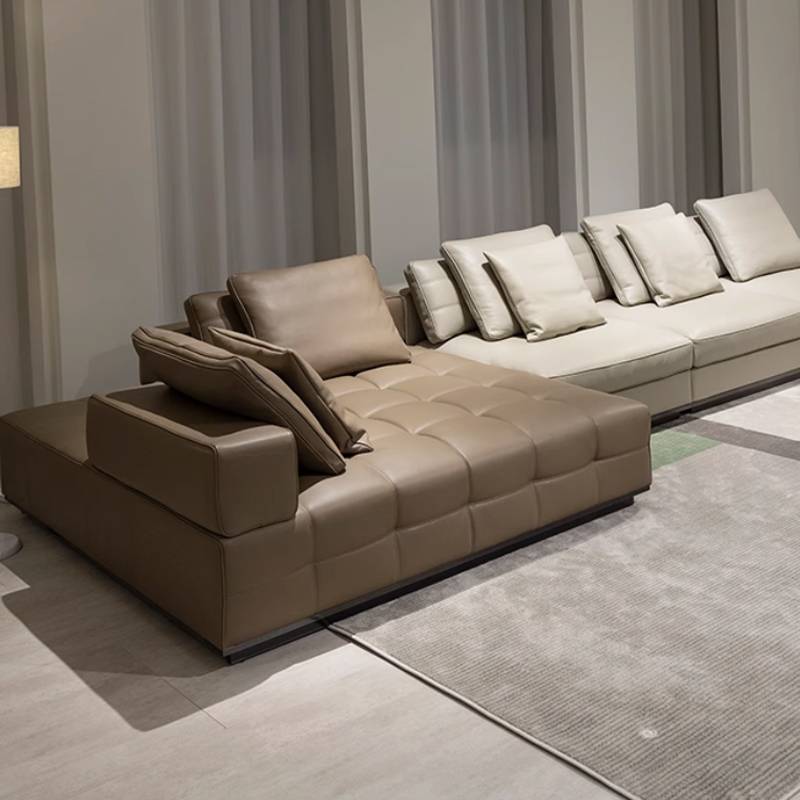
A wood sectional sofa is a premium seating solution constructed primarily with a solid wood frame, often featuring exposed hardwood elements that showcase natural wood grain and craftsmanship. Unlike mass-produced furniture that uses engineered wood or particleboard, quality wood sectional sofas are built with kiln-dried hardwoods such as oak, maple, walnut, or ash, ensuring structural integrity and longevity.
These sofas typically consist of modular sections that can be configured in various layouts—L-shaped, U-shaped, or custom arrangements—to suit different room dimensions and usage patterns. The finish options range from natural oil treatments that enhance the wood’s character to stained or painted finishes that complement specific interior design themes.
What sets manufacturer-direct wood sectional sofas apart is the rigorous quality control throughout production and the ability to offer customization options that retail stores simply cannot match. As a manufacturer, we oversee every aspect of construction, from selecting premium lumber to precision joinery techniques that result in furniture built to last for generations.
Key Features of Wood Sectional Sofas
Durability and Longevity: The hallmark of a wood sectional sofa is its exceptional durability. Solid wood construction resists warping, sagging, and structural deterioration common in cheaper alternatives. With proper care, a well-crafted wood sectional sofa can last 20-30 years or more, making it a wise long-term investment.
Design Flexibility: Wood sectional sofas offer remarkable design versatility, seamlessly transitioning between modern minimalist aesthetics and classic traditional styles. The natural warmth of wood creates visual interest and complements various interior design themes, from Scandinavian simplicity to industrial chic.
Eco-Friendly Options: For environmentally conscious consumers, wood sectional sofas present a sustainable choice. Many manufacturers now offer FSC-certified wood options, responsibly harvested from managed forests. The natural materials and minimal use of synthetic components reduce the environmental footprint compared to fabric-upholstered alternatives that require frequent replacement.
Overview of Fabric Sectional Sofas
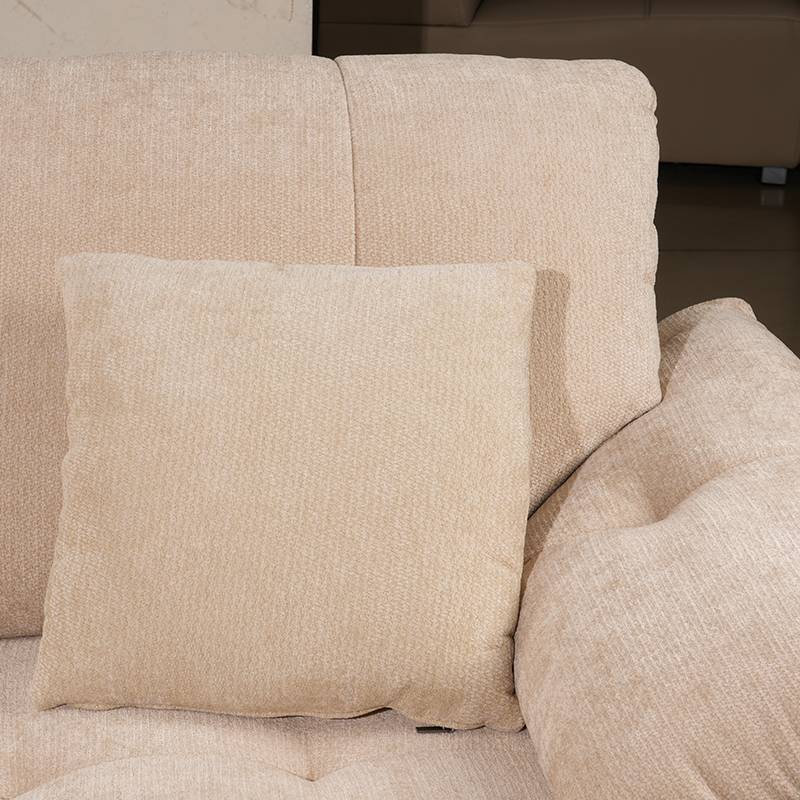
What is a Fabric Sectional Sofa?
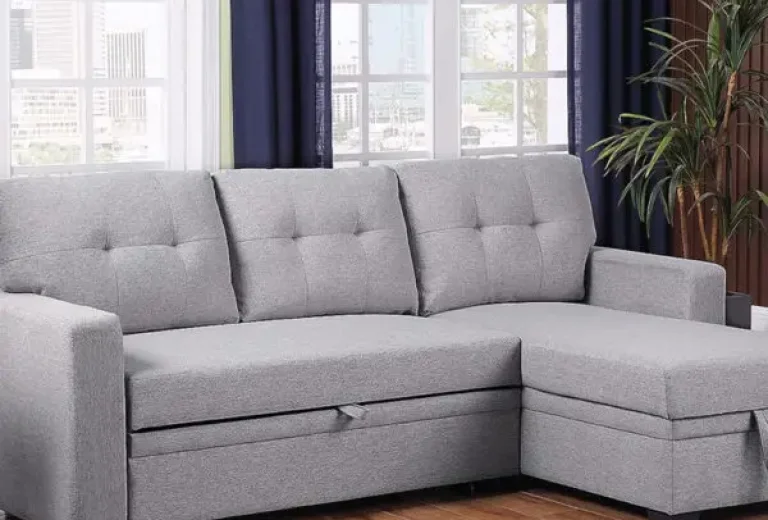
Fabric sectional sofas are upholstered seating solutions designed for comfort and visual softness in living spaces. These sofas feature cushioned seats, backs, and armrests covered in various textile materials, creating a cozy and inviting atmosphere. The structural framework is typically made of wood or metal, but the defining characteristic is the fabric upholstery that determines both comfort and appearance.
Common fabric choices include linen for natural breathability, velvet for luxurious texture, and polyester blends for durability and stain resistance. Fabric sectional sofas come in numerous configurations, including modular designs that can be rearranged, sleeper sofas with hidden beds, and reclining options with built-in footrests.
Key Features of Fabric Sectional Sofas
Comfort and Softness: The primary advantage of fabric sectional sofas is their plush comfort. Generously padded cushions and soft upholstery create a cozy seating experience that invites relaxation and lounging, making them ideal for families who prioritize casual comfort.
Color and Texture Variety: Fabric sectional sofas offer virtually unlimited color and pattern options, allowing homeowners to match their furniture precisely with existing décor or create bold statement pieces. The texture of the fabric adds depth and tactile appeal to the living space.
Easy Replacement and Customization: When wear occurs or design preferences change, fabric sectional sofas can often be reupholstered or fitted with slipcovers, effectively giving the furniture a new life without complete replacement. This extendability can enhance the sofa’s lifespan.
Durability Comparison
When evaluating sectional sofas, durability stands as a critical factor affecting long-term satisfaction and value. Understanding the performance differences between wood and fabric options helps set realistic expectations and make appropriate choices based on your lifestyle.
| Durability Factor | Wood Sectional Sofa | Fabric Sectional Sofa |
|---|---|---|
| Structural Lifespan | 20-30+ years with proper care | 10-15 years average |
| Common Issues | Minor scratches, finish wear | Fabric tearing, cushion compression, staining |
| Maintenance Frequency | Annual cleaning and polishing | Regular vacuuming, monthly deep cleaning |
| Repairability | Excellent; can be refinished/repaired | Moderate; may require reupholstering |
| Resale Value | High; retains significant value | Lower; depreciates faster |
Wood sectional sofas excel in structural durability. The solid hardwood frame resists everyday stresses, while the exposed wood surfaces develop a patina that enhances character over time. Common issues such as surface scratches are easily addressed with simple refinishing techniques, and the structural components rarely require attention beyond normal maintenance.
Fabric sectional sofas face different durability challenges. The upholstery material is subject to wear from friction, spills, pet claws, and UV exposure. Cushion cores may compress over time, affecting comfort and appearance. While individual components can be replaced, the cumulative maintenance requirements are higher. However, for households with children or pets, the ability to wash removable covers can be a practical advantage.
Comfort and Ergonomics
The comfort debate between wood and fabric sectional sofas often comes down to the distinction between supportive seating and plush cushioning. Both approaches have their merits, and the ideal choice depends on your personal comfort preferences and physical needs.
Fabric Sectional Sofas: Emphasizing Softness
Fabric sectional sofas prioritize plush comfort through generous cushioning and soft upholstery materials. High-density foam cores wrapped in down or synthetic fiber create a luxurious sinking sensation that many find immediately comfortable. The fabric surface itself contributes to comfort, with materials like velvet or soft chenille providing a cozy tactile experience.
For lounging, reading, or watching movies, fabric sectional sofas excel at creating an inviting environment that encourages relaxation. The soft surface accommodates various seating positions and is forgiving for extended periods of use.
Wood Sectional Sofas: Focusing on Support
Wood sectional sofas take a different approach to comfort, emphasizing ergonomic support and proper posture. The firm construction provides stable seating that maintains its shape over time, preventing the sagging that can cause back discomfort. Many wood designs incorporate contoured seats and backrests engineered to support the spine’s natural curvature.
While initially firmer than upholstered alternatives, quality wood sectional sofas can be enhanced with strategically placed cushions that provide softness without compromising structural support. This combination appeals to those who prefer a more structured seating experience that promotes healthy posture.
Finding the Balance
Modern design increasingly recognizes that comfort isn’t a binary choice between hard and soft. The best wood sectional sofas incorporate ergonomic principles with thoughtful cushioning, while quality fabric designs ensure adequate support beneath plush surfaces. When selecting your sectional sofa, consider both immediate comfort and long-term ergonomic benefits to ensure your furniture serves your body as well as your aesthetic preferences.
Design and Aesthetic Appeal
The visual impact of your sectional sofa significantly influences your living room’s overall atmosphere. Both wood and fabric options offer distinct design possibilities, each contributing uniquely to interior aesthetics.
Modern Living Room Trends
In contemporary interior design, wood sectional sofas have gained prominence for their ability to introduce organic warmth and natural elegance to modern spaces. The clean lines and visible grain patterns of premium hardwoods create sophisticated focal points that anchor minimalist living rooms. Light-toned woods like white oak or maple complement Scandinavian and Japandi styles, while darker walnuts add gravitas to transitional or eclectic interiors.
The timeless appeal of wood allows these sofas to remain stylish even as design trends evolve. Rather than appearing dated, well-crafted wood sectional sofas often become cherished heirloom pieces that gain character with age.
Fabric sectional sofas offer different aesthetic advantages, particularly in creating cozy, texturally rich environments. The availability of bold colors and patterns allows homeowners to use their sectional sofa as a statement piece that sets the tone for the entire room. Neutral fabric options provide versatility, easily adapting to changing décor through accessories and accent pieces.
Customization Options
One of the most compelling advantages of manufacturer-direct wood sectional sofas is the extensive customization capability. As manufacturers, we can modify dimensions to fit awkward spaces, adjust configurations for specific usage patterns, and select wood species and finishes that perfectly match your vision. This bespoke approach ensures your sectional sofa isn’t just furniture—it’s a personalized solution tailored to your home.
The customization extends beyond basic measurements. We can incorporate specialized features such as built-in storage compartments, integrated charging stations, or convertible elements that transform the sofa’s function based on your needs. This level of personalization is rarely available through retail channels, where standard sizes and configurations limit options.
Fabric sectional sofas also offer customization potential, primarily through upholstery choices and cushion configurations. However, the structural modifications available with wood construction provide greater flexibility for truly unique solutions. For those seeking one-of-a-kind furniture, the ability to specify every aspect of design makes wood sectional sofas an exceptional choice.
Maintenance and Care
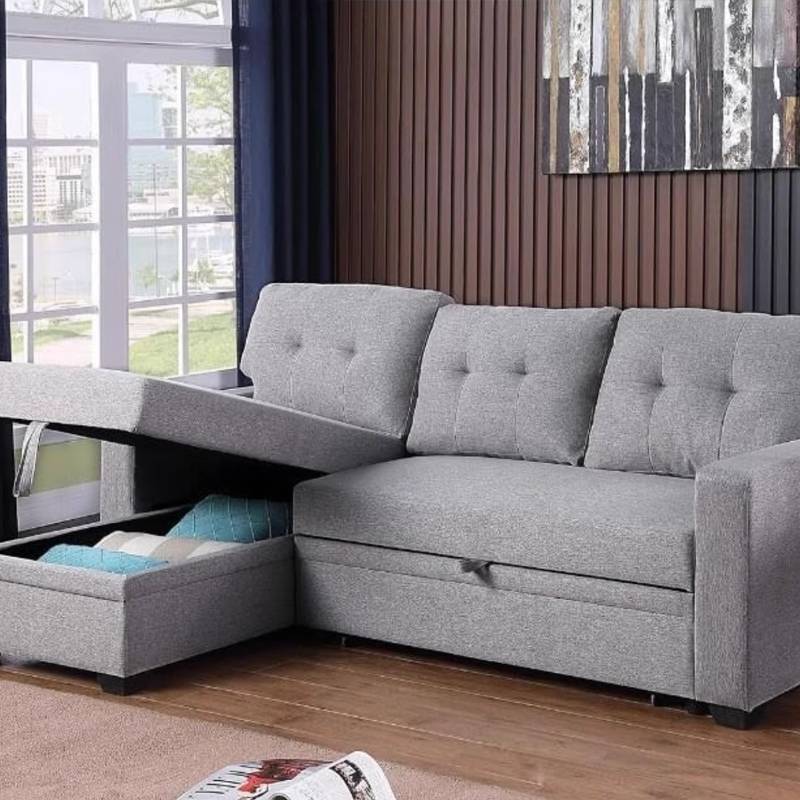
Proper maintenance ensures your sectional sofa retains its beauty and functionality throughout its lifespan. The care requirements differ significantly between wood and fabric options, influencing the practicality of each choice for your lifestyle.
Wood Sectional Sofa Care
Maintaining a wood sectional sofa is straightforward and generally less demanding than fabric alternatives. Regular dusting with a soft, lint-free cloth removes surface debris that could scratch the finish. For deeper cleaning, a slightly damp cloth with mild soap is sufficient for most spills and stains when addressed promptly.
Periodic polishing with appropriate wood conditioner helps maintain the finish and prevents drying, particularly in environments with low humidity. Avoid harsh chemical cleaners and excessive moisture, as these can damage the protective finish and expose the wood to potential harm.
The durability of wood surfaces means that most wear can be addressed through simple refinishing techniques rather than complete restoration. This maintainability contributes significantly to the long-term value proposition of wood sectional sofas.
Fabric Sectional Sofa Care
Fabric sectional sofas require more frequent and intensive maintenance. Regular vacuuming removes dust and debris from the fabric weave, while prompt attention to spills prevents stains from setting. Many fabric sofas feature removable, washable cushion covers—though this convenience comes with the challenge of reassembling the sofa afterward.
Professional deep cleaning is typically recommended annually to remove embedded dirt and restore fabric appearance. Stain-resistant treatments can provide additional protection but may require reapplication over time. The cleaning complexity increases with delicate fabrics like velvet or linen, which may require specialized care.
For households with children or pets, fabric sectional sofas demand ongoing vigilance. Slipcovers offer protection but change the sofa’s appearance and require additional maintenance. These considerations factor significantly into the total ownership cost and effort required for fabric sectional sofas.
Extending Your Sofa’s Lifespan
Regardless of material choice, certain practices help maximize your sectional sofa’s longevity:
- Rotate cushions regularly to ensure even wear
- Avoid direct sunlight exposure to prevent fading or drying
- Use coasters and protective pads to prevent surface damage
- Address spills and stains immediately
- Schedule periodic professional maintenance
Following these guidelines ensures your sectional sofa provides years of service and maintains its appearance, protecting your investment regardless of whether you choose wood or fabric construction.
Cost and Value Considerations
Understanding the financial implications of your sectional sofa purchase requires looking beyond the initial price tag to consider long-term value, maintenance costs, and replacement frequency.
Initial Investment vs. Long-Term Value
Wood sectional sofas typically require a higher initial investment compared to fabric alternatives. This price difference reflects the premium materials, skilled craftsmanship, and superior construction methods that ensure durability. However, when evaluated over a 20-year lifespan, the annual cost of ownership often favors wood construction due to minimal maintenance requirements and exceptional longevity.
Fabric sectional sofas generally offer more accessible entry pricing, making them attractive for budget-conscious buyers or temporary furnishing needs. However, the cumulative cost of replacement, professional cleaning, and potential reupholstering can significantly increase the total cost of ownership over time.
Solid Wood Sectional Sofa Value Proposition
The cost-benefit analysis of solid wood sectional sofas reveals compelling advantages:
- Durability: 2-3x longer lifespan reduces replacement frequency
- Maintenance: Minimal ongoing costs compared to regular professional cleaning for fabric
- Timeless Design: Resists trends, avoiding premature obsolescence
- Resale Value: Higher retained value when updating or selling
- Customization: Bespoke solutions reduce the need for additional pieces
When amortized across decades of use, the premium paid for quality wood construction often represents superior economic value.
Manufacturer Direct vs. Retail Pricing
Purchasing directly from manufacturers offers significant cost advantages compared to retail channels. Traditional retail markups often double or triple the manufacturer’s price, covering overhead, middleman distribution, and retail operations. By eliminating these intermediaries, manufacturer-direct pricing makes premium wood sectional sofas more accessible while maintaining quality standards.
This direct relationship also provides advantages beyond price. Custom modifications, specific material selections, and personalized service are available through manufacturer channels but rarely through retail environments. The combination of competitive pricing and enhanced service creates a compelling value proposition for informed buyers.
Environmental Impact and Sustainability
As environmental awareness grows, the sustainability of furniture choices becomes an increasingly important consideration for conscientious consumers.
Wood Sectional Sofa Environmental Advantages
Solid wood sectional sofas offer several environmental benefits when sourced and manufactured responsibly:
- Renewable Resource: Wood is a naturally renewable material, particularly when harvested from sustainably managed forests
- Carbon Sequestration: Wood continues to store carbon throughout its lifespan as furniture
- Durability: Long-lasting products reduce resource consumption through less frequent replacement
- Biodegradability: Natural wood components have minimal environmental impact at end-of-life
- Minimal Processing: Requires fewer chemicals and energy compared to synthetic fabric production
FSC-certified wood options provide assurance that materials originate from responsibly managed forests that balance environmental, social, and economic considerations. Many manufacturers also employ low-VOC finishes and adhesives, further reducing environmental impact.
Fabric Sectional Sofa Environmental Considerations
The environmental footprint of fabric sectional sofas varies significantly based on material choices:
- Natural Fibers (linen, cotton): Renewable but often resource-intensive to cultivate and process
- Synthetic Fibers (polyester, acrylic): Derived from petroleum, non-biodegradable, release microplastics
- Blended Fabrics: Create recycling challenges due to material mixing
- Dyeing and Treatment: Often involves chemicals and water-intensive processes
While fabric replacement can extend sofa life, the environmental cost of producing new upholstery must be considered. Some manufacturers now offer eco-friendly fabric options using recycled materials or organic natural fibers, reducing the environmental impact.
Certifications and Manufacturer Responsibility
Environmental certifications provide third-party verification of sustainable practices. Look for certifications such as:
- FSC (Forest Stewardship Council): Responsible forest management
- GREENGUARD: Low chemical emissions
- Cradle to Cradle: Comprehensive sustainability assessment
- OEKO-TEX: Harmful substance testing for textiles
As a manufacturer committed to sustainability, we prioritize responsible sourcing, efficient production processes, and transparent practices. Our wood sectional sofas are designed to minimize environmental impact while maximizing durability and beauty.
Choosing the Right Sectional Sofa for Your Home
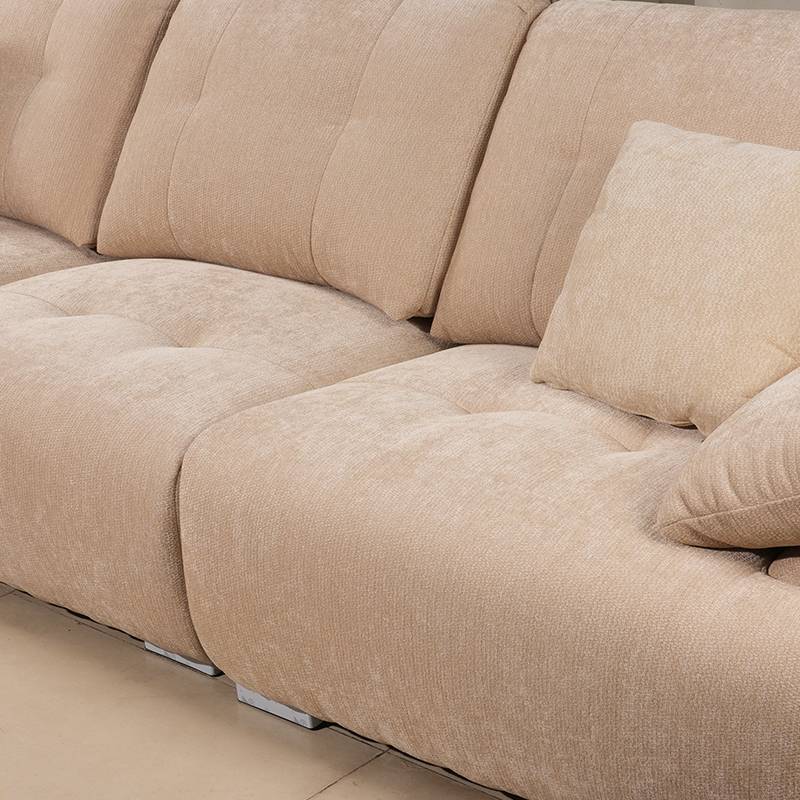
Selecting the ideal sectional sofa requires balancing multiple factors specific to your space, lifestyle, and preferences. Consider these key decision points to identify your perfect match.
Assessing Room Size and Layout
Begin by measuring your living space and considering traffic flow. Larger rooms accommodate expansive U-shaped configurations, while smaller spaces may benefit from compact L-shaped designs. Remember to account for pathways around the sofa—typically 30-36 inches for comfortable movement.
Wood sectional sofas, with their clean lines and visible construction, can help visually organize open-concept spaces without creating heavy visual blocks. The lighter appearance of wood frames can make rooms feel more spacious compared to fully upholstered alternatives.
Consider ceiling height and room proportions when selecting sofa scale. Taller rooms accommodate higher backrests, while lower ceilings may suit lower-profile designs that maintain proportional harmony.
Matching Material Choice to Usage Patterns
Your lifestyle and how you use your living space should heavily influence material selection:
Choose a Wood Sectional Sofa if you:
- Value long-term durability and minimal maintenance
- Appreciate natural materials and craftsmanship
- Prefer clean, sophisticated aesthetics
- Have allergies sensitive to fabric fibers
- Want customizable solutions for specific spaces
- Plan to keep your furniture for decades
Choose a Fabric Sectional Sofa if you:
- Prioritize immediate plush comfort
- Desire frequent color and pattern changes
- Have young children where washable covers are practical
- Prefer a cozy, casual aesthetic
- Need a lower initial investment
- Enjoy seasonal décor updates
Balancing Style, Comfort, and Longevity
The ideal sectional sofa successfully integrates aesthetic preferences, comfort requirements, and practical considerations. Rather than compromising on one aspect, seek solutions that address your priorities holistically.
For many homeowners, the optimal solution combines the structural benefits of wood construction with strategic cushioning for comfort. This hybrid approach leverages the durability and design flexibility of wood frames while addressing comfort through removable, customizable cushions that can be replaced or updated as needed.
Consider the entire ownership experience—not just the initial purchase—but decades of use, maintenance requirements, and evolving needs. A sectional sofa that grows with your family and adapts to changing circumstances provides the greatest satisfaction and value over time.
Conclusion
Both wood sectional sofas and fabric sectional sofas offer distinct advantages suited to different preferences and lifestyles. Fabric options excel in immediate comfort and design flexibility, while wood construction provides superior durability, timeless aesthetics, and long-term value.
For homeowners seeking a lasting investment in quality furniture, manufacturer-direct wood sectional sofas represent an exceptional choice. The combination of premium materials, expert craftsmanship, customization capability, and sustainable practices ensures your sofa becomes a cherished centerpiece of your home for generations.
The ability to specify dimensions, configurations, wood species, and finishes allows for truly personalized solutions that retail alternatives cannot match. When amortized across decades of use, the superior longevity and minimal maintenance requirements of wood construction often make it the most economical choice despite higher initial pricing.
Ultimately, the right sectional sofa is one that aligns with your aesthetic vision, serves your practical needs, and provides lasting satisfaction. Whether you prioritize the natural warmth and durability of wood or the plush comfort of fabric, choosing quality construction ensures your furniture enhances your daily life and home environment for years to come.
Ready to discover how a custom wood sectional sofa can transform your living space? Explore our curated collection of handcrafted sectional sofas, or contact our design team for personalized guidance in creating your perfect seating solution. Our experts are ready to help you navigate options, select materials, and design a sectional sofa that exceeds your expectations and becomes a treasured addition to your home.
FAQ
Q: How long does a wood sectional sofa typically last?
A: A well-crafted solid wood sectional sofa can last 20-30 years or more with proper care, significantly outlasting fabric sectional sofas which typically average 10-15 years.
Q: Can I customize the size and configuration of my wood sectional sofa?
A: Absolutely! As a manufacturer, we offer full customization options including dimensions, L-shape or U-shape configurations, wood species selection, and finish preferences to perfectly fit your space.
Q: Are wood sectional sofas comfortable for everyday use?
A: Yes! While wood construction provides firm support, our wood sectional sofas can be enhanced with high-quality cushions for optimal comfort, combining ergonomic support with plush seating.
Q: How do I clean and maintain a wood sectional sofa?
A: Maintenance is simple—regular dusting with a soft cloth and occasional polishing with wood conditioner. Spills should be wiped promptly with a slightly damp cloth. No professional cleaning required.
Q: Is a wood sectional sofa more expensive than fabric options?
A: The initial investment is higher, but considering the 2-3x longer lifespan and minimal maintenance costs, wood sectional sofas often offer better long-term value. Our manufacturer-direct pricing makes premium wood furniture more accessible.