Table of Contents
As a manufacturer of high-quality foam mattress pads, we understand the importance of a good night’s sleep and how the right bedding can make all the difference. Foam mattress pads are not just an extra layer on your bed—they provide essential support, pressure relief, and enhanced comfort, helping you wake up refreshed and free from discomfort. In this guide, we’ll explore everything you need to know about foam mattress pads, their benefits, and how to choose the perfect one for your bed.
Understanding Foam Mattress Pads
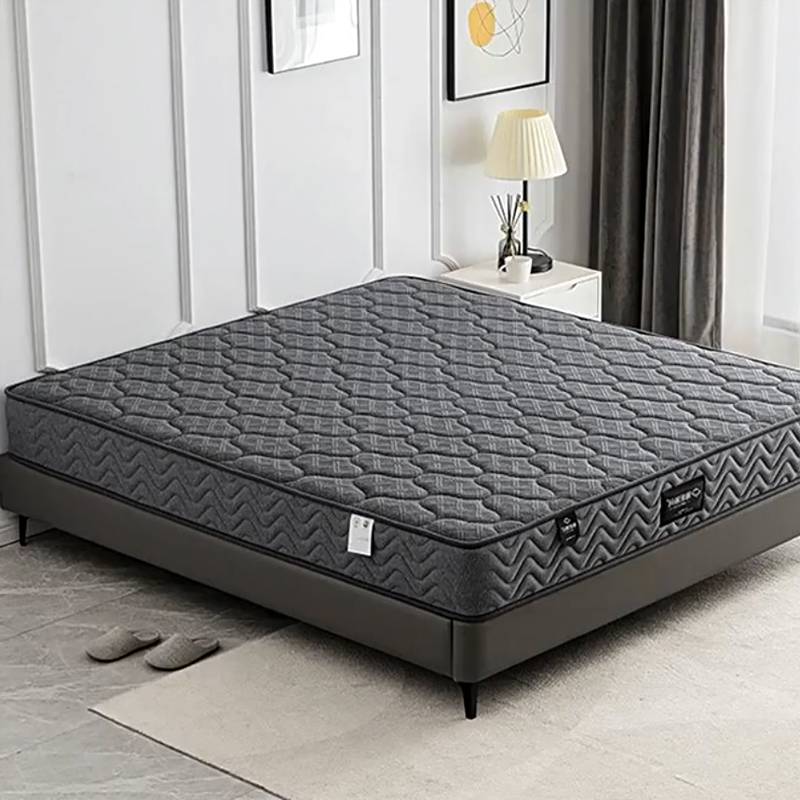
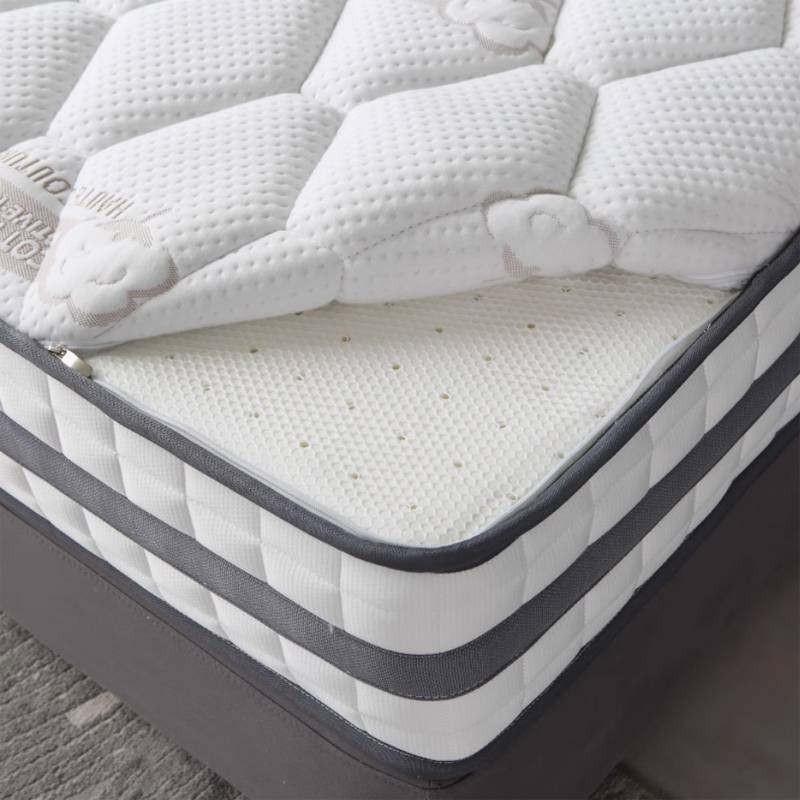
Foam mattress pads are specially designed cushioning layers that sit on top of your mattress to improve comfort and support. They come in a variety of materials and densities, allowing you to customize your sleeping experience.
What Are Foam Mattress Pad Made Of
Most foam mattress pad are made from polyurethane foam, memory foam, or high-density foam. Memory foam pads conform to the body, offering excellent pressure relief, while high-density foam provides firmer support that prevents sagging over time.
Types of Foam Mattress Pad
- Memory Foam Mattress Pad: Excellent for contouring and reducing pressure points.
- High-Density Foam Pads: Provide strong support, ideal for heavier individuals or those who prefer firmer beds.
- Egg Crate Foam Pads: Offer better airflow and gentle support, often used for cooling purposes.
Difference Between Foam Mattress Pad and Mattress Toppers
While mattress toppers are usually thicker and can dramatically change your bed’s feel, foam mattress pad is thinner layers focused on enhancing comfort and providing specific benefits like pressure relief and hypoallergenic protection.
Key Benefits of Foam Mattress Pads
Improved Sleep Quality
A foam mattress pad can significantly improve sleep quality by providing consistent support and contouring to your body’s natural shape. This reduces tossing and turning, helping you stay in a deep sleep longer.
Pressure Relief for Back and Joints
Foam mattress pads are particularly beneficial for individuals with back pain or joint issues. They distribute body weight evenly, reducing pressure on sensitive areas such as hips, shoulders, and lower back.
Hypoallergenic and Dust Mite Resistant Options
Many foam mattress pads are designed to be hypoallergenic and resistant to dust mites, making them ideal for allergy sufferers and those with sensitive skin.
How to Choose the Best Foam Mattress Pads
Consider Your Sleeping Position
- Side Sleepers: Softer memory foam mattress pad can relieve pressure on shoulders and hips.
- Back Sleepers: Medium-firm foam pads provide support while maintaining comfort.
- Stomach Sleepers: Firmer pads help prevent lower back strain.
Thickness and Density Guidelines
A 2–4 inch thick foam mattress pad is sufficient for most users. Higher density foam offers firmer support and durability, while lower density foam provides softer cushioning.
Size and Fit for Different Bed Types
Foam mattress pad come in twin, full, queen, and king sizes. Always ensure your pad matches your mattress dimensions for a snug fit.
Foam Mattress Pads vs Other Bedding Solutions
| Feature | Foam Mattress Pad | Memory Foam Mattress Topper | Pillow Top Mattress Pad |
|---|---|---|---|
| Thickness | 2–4 inches | 3–5 inches | 2–3 inches |
| Support | Medium to firm | Soft to medium | Soft |
| Pressure Relief | Moderate | Excellent | Moderate |
| Cost | Affordable | Higher | Medium |
| Durability | High | Medium to high | Medium |
Caring for Your Foam Mattress Pads
Cleaning and Maintenance Tips
Most foam mattress pads come with removable covers. Machine-washable covers make cleaning simple, while the foam itself should be spot-cleaned with mild detergent and allowed to air dry completely.
Longevity and When to Replace
A high-quality foam mattress pad can last 3–5 years with proper care. Signs of sagging or reduced support indicate it’s time for a replacement.
Using Mattress Covers to Protect Your Pad
A waterproof or hypoallergenic mattress cover can extend the life of your foam mattress pad and keep it hygienic.
Top Recommendations for Foam Mattress Pad
- High-Density Foam Pads for Maximum Support: Ideal for heavier sleepers or those needing firm support.
- Best Options for Side Sleepers: Memory foam mattress pad with contouring capabilities reduce pressure points.
- Affordable and Durable Choices: Polyurethane foam pads provide comfort and longevity at an excellent value.
Where to Buy Foam Mattress Pad
As the manufacturer, we provide direct-to-consumer foam mattress pad with strict quality control. Buying directly ensures you receive authentic products that are durable, hypoallergenic, and designed for maximum comfort.
Customer Reviews and Testimonials
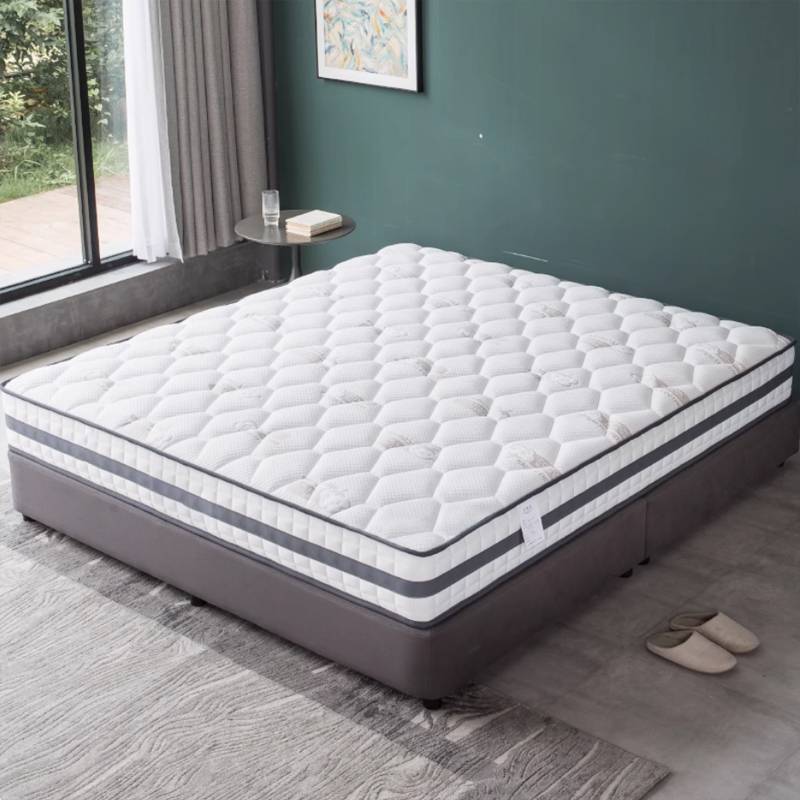
Many customers report improved sleep quality, reduced back and joint discomfort, and overall enhanced comfort after using our foam mattress pads. Real-life feedback highlights pressure relief, softness, and durability, making them a trusted choice for households worldwide.
Conclusion
Investing in a foam mattress pad is a simple and cost-effective way to improve sleep quality, reduce pressure on joints, and protect your mattress. As a manufacturer, we take pride in delivering high-quality, hypoallergenic, and comfortable foam mattress pads that meet the needs of all sleepers. Upgrade your sleep today and experience the difference that a professionally crafted foam mattress pad can make.
FAQ
What thickness is ideal for a foam mattress pad?
Generally, 2–4 inches provides optimal support and comfort.
Can foam mattress pads help with back pain?
Yes, high-density and memory foam pads distribute weight evenly to relieve pressure points.
Are foam mattress pads suitable for all bed types?
Yes, they can fit twin, full, queen, and king mattresses.
How do I prevent foam mattress pads from sliding?
Non-slip bottoms or securing straps can help keep the pad in place.