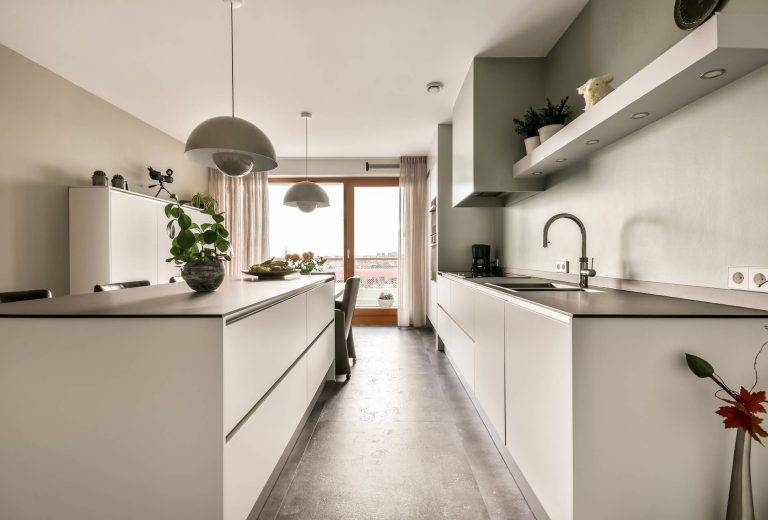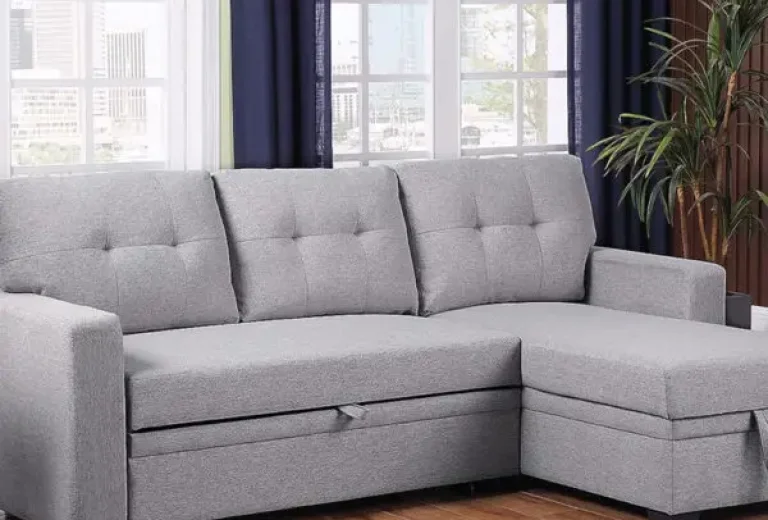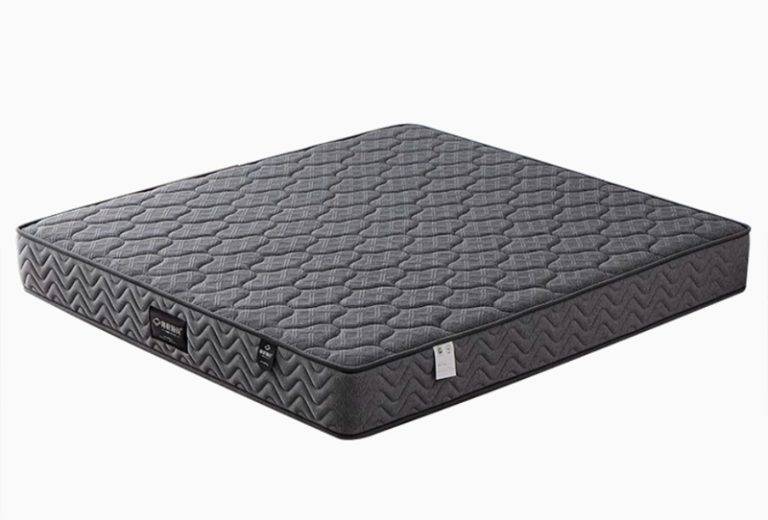
Choosing a hospitality dining table for a hospitality or residential project is not only a style decision. Buyers need a product that fits the room plan, supports daily operation, cleans properly, and can be reordered with the same specification later. A clear hospitality dining table brief helps purchasing, design, and site teams work from the same information before sampling begins.
This guide is written for hotel owners, developers, serviced apartment operators, and furniture procurement teams comparing a hospitality dining table for multi-room projects. It explains how to define the use case, prepare specifications, review samples, check materials, plan logistics, and keep records that make replacement easier.
Define the Room and User Scenario
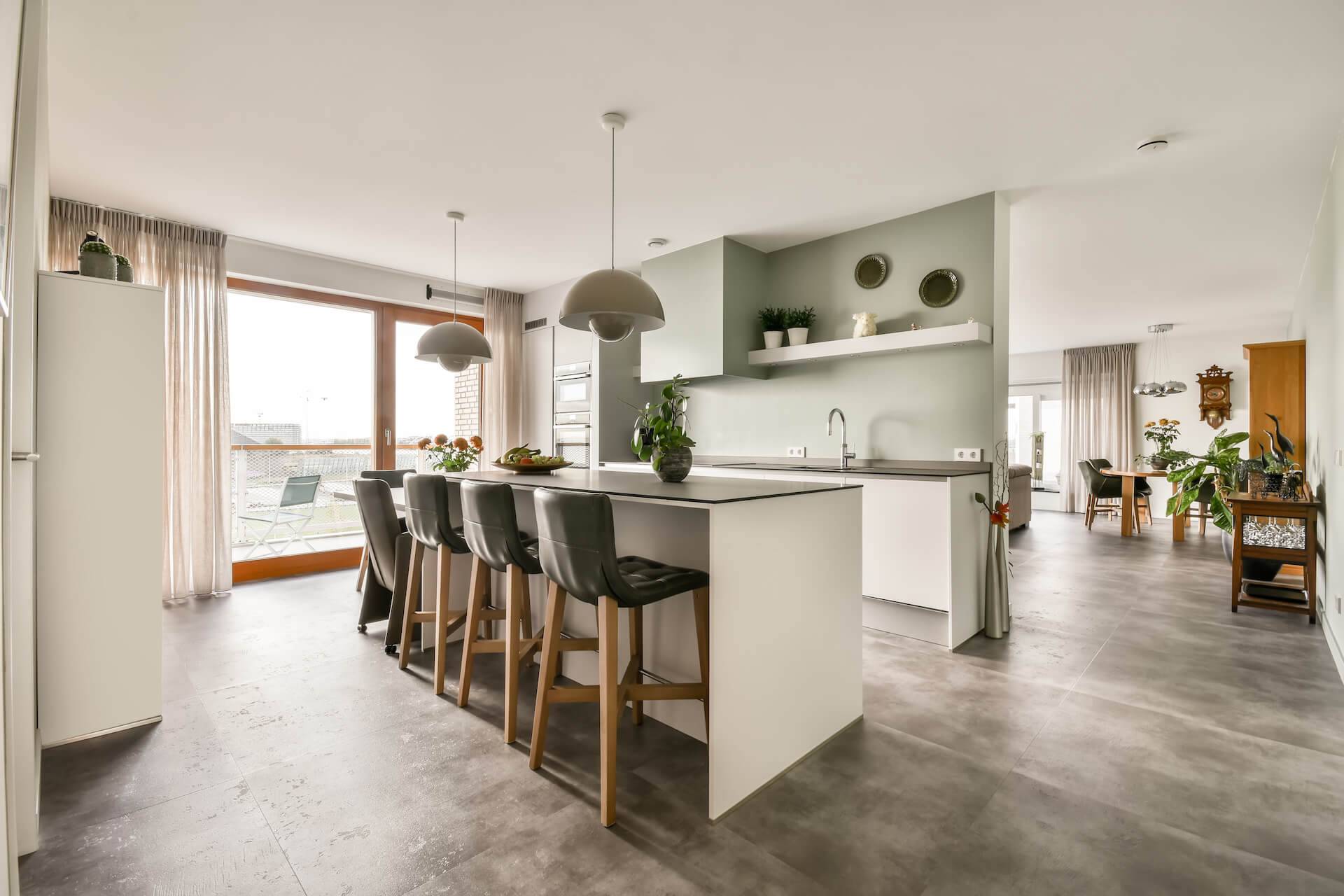
The right hospitality dining table depends on how the space will be used. A compact hotel room, long-stay apartment, villa, lounge, or shared dining area can each need different dimensions and construction details. Before requesting a quote, confirm the room type, quantity, expected turnover, cleaning method, and any site restrictions such as elevator size or narrow corridors.
Send the supplier drawings, mood boards, target finish, product quantities, and installation schedule. If the hospitality dining table must coordinate with beds, sofas, mattresses, casegoods, or other items, show those items in the same brief. MH Global’s product range and project services can help buyers connect one item with a complete furniture package.
Build a Practical Specification
A useful hospitality dining table specification should be precise enough for sampling, production, inspection, and future reorder. Include width, depth, height, material, finish code, upholstery or surface treatment, hardware, packaging method, carton mark, and room allocation. If several room types are involved, list which dimensions change and which appearance details must stay consistent.
| Decision Area | What to Confirm | Buyer Benefit |
|---|---|---|
| Dimensions | Overall size, clearance, installation access | Reduces fit problems on site |
| Materials | Frame, panel, foam, fabric, finish, hardware | Controls durability and cleaning needs |
| Sample | Approved finish, comfort, edge quality, packing | Gives production a clear reference |
| Delivery | Carton labels, loading sequence, protection | Helps installation teams work faster |
Check Materials Before Approving a Sample
Material selection should match the operating environment. Ask how the internal structure is made, how edges are protected, how fabric or surface finishes are applied, and how hardware is fixed. A hospitality dining table used across many rooms should not depend on vague descriptions such as premium, durable, or hotel grade without written details.
For wood and panel discussions, the Forest Stewardship Council gives useful background on responsible forestry. For textiles, OEKO-TEX Standard 100 helps buyers understand common testing language. For commercial seating and furniture terminology, BIFMA standards can support more precise conversations. These references do not replace project specifications, but they help teams ask better questions about a hospitality dining table.
Review the Sample Like a Future Inspector
Do not approve a hospitality dining table sample only from a front-view photo. Check measurements, finish consistency, joint strength, stitching or edge detail, comfort, stability, odor, packaging, and carton information. Compare the sample under the lighting used in the room, because color and texture can look different from showroom conditions.
Once the sample is approved, record material codes, dimensions, construction notes, and acceptable tolerance. Ask the supplier to keep the same approved hospitality dining table sample or a documented master reference for production. This protects the buyer when production is split across several batches or delivered to several buildings.
Plan Quality Control and Delivery
Quality checks should be agreed before production starts. Confirm how the supplier inspects dimensions, finish, assembly, hardware, upholstery, packaging, and carton labels. The ISO 9001 quality management overview is a useful reference for process language, but each hospitality dining table order still needs its own acceptance criteria.
Delivery planning matters as much as production. Confirm carton size, loading sequence, storage conditions, floor-by-floor labels, and installation timing. A hospitality dining table that is packed well and labeled clearly is easier to unload, distribute, install, and maintain after the property opens.
Keep Records for Maintenance and Reorder
After approval, keep a simple record set for the hospitality dining table. It should include final drawings, material codes, color references, fabric or finish names, hardware details, cleaning notes, carton labels, and photos of the approved sample. These records help the operations team replace a damaged item without rebuilding the entire sourcing conversation months later.
For projects that open in phases, records are even more important. A buyer may need the same hospitality dining table for a second tower, a later renovation, or a small replacement order. When the original specifications are clear, the supplier can review the previous production standard and reduce the risk of mismatched size, finish, or construction.
Final Takeaway
A successful hospitality dining table order starts with a clear project brief and ends with records that support maintenance and reorder. Buyers should define the use case, write practical specifications, review samples carefully, confirm quality checks, and plan delivery details before bulk production. For project support, send drawings, quantities, materials, and timing through the MH Global contact page or review our custom furniture manufacturer selection guide.