Table of Contents
Introduction
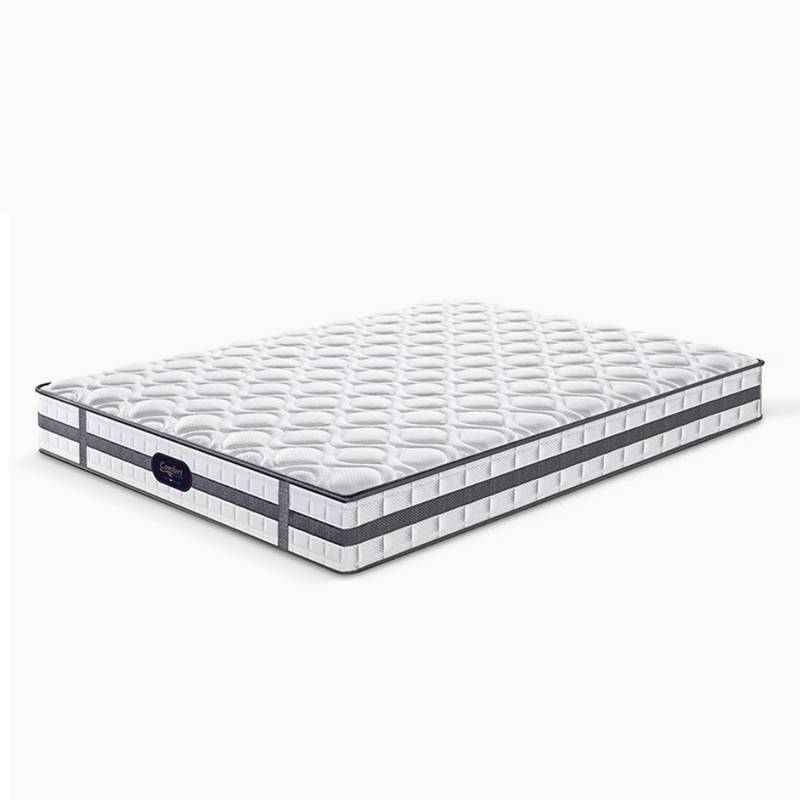
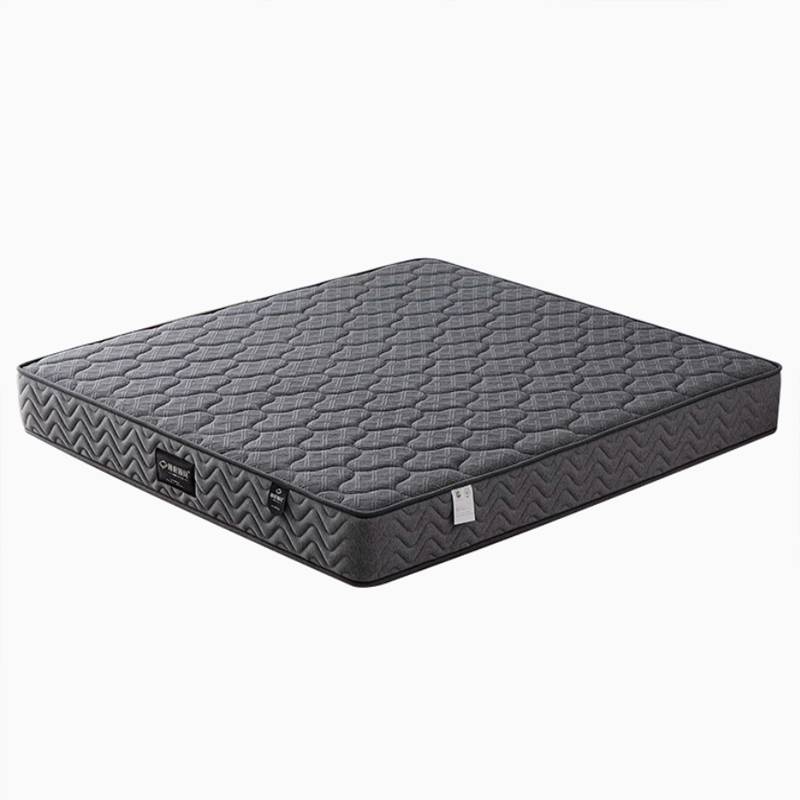
Sleep quality has become one of the most important factors in overall health and daily performance. As more people focus on improving rest at home, the foam mattress has become one of the most widely chosen sleep solutions. Its ability to balance comfort, pressure relief, and support makes it suitable for different sleeping styles and needs.
This guide explains what a foam mattress is, how it works, and why it continues to be a popular choice for improving sleep quality and spinal support.
What Is a Foam Sleep Mattress and How Does It Work?
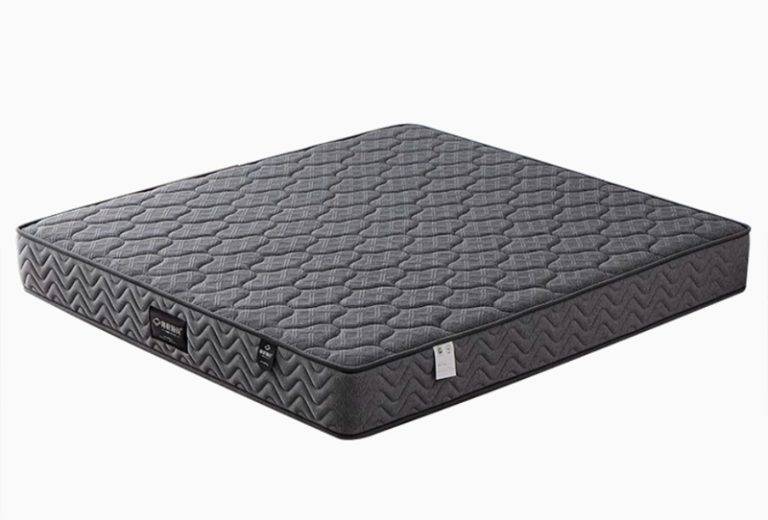
A foam sleep mattress is made from layers of engineered foam materials designed to respond to body pressure and temperature. Unlike traditional spring-based mattresses, foam sleep mattress contour closely to the body, distributing weight more evenly across the surface.
The main working principle is pressure redistribution. When you lie down, the foam adapts to your body shape, reducing pressure points on areas like shoulders, hips, and lower back. This helps maintain a more natural spinal alignment during sleep.
Common foam types include:
- Memory foam: slow response, high contouring
- High-density foam: firmer support and durability
- Gel foam: improved cooling performance
- Polyurethane foam: lightweight and budget-friendly structure
Key Benefits of a Foam Mattress
A foam sleep mattress offers several advantages that directly impact sleep quality and physical comfort.
Improved pressure relief
Foam adapts to body curves, reducing stress on pressure points and helping prevent discomfort during sleep.
Better spinal alignment
By supporting the natural curve of the spine, foam sleep mattresses help maintain healthier sleeping posture.
Reduced motion transfer
Movement on one side of the bed is less likely to disturb the other person, making it ideal for couples.
Enhanced comfort customization
Different foam densities and firmness levels allow users to choose a feel that matches their preferences.
Quiet sleep surface
Unlike spring systems, foam sleep mattresses produce minimal noise during movement.
Why Foam Mattress Is Popular for Sleep Improvement
Modern sleep research highlights the importance of pressure distribution and spinal support in improving sleep quality. Foam sleep mattresses address both factors effectively.
According to sleep comfort studies from sleep research organizations, surfaces that reduce pressure points can help decrease nighttime awakenings and improve overall rest consistency.
Foam sleep mattresses are especially popular because they:
- Adapt to different body shapes
- Support multiple sleep positions
- Reduce discomfort caused by firm or uneven surfaces
Foam Mattress vs Other Mattress Types
| Feature | Foam Mattress | Spring Mattress | Hybrid Mattress |
|---|---|---|---|
| Pressure relief | High | Medium | High |
| Motion isolation | Excellent | Low | Medium |
| Support level | Balanced | Firm bounce | Balanced |
| Noise level | Silent | Moderate | Low |
| Durability | Good | Good | Very good |
Foam sleep mattresses stand out for their ability to deliver consistent comfort and motion isolation, making them ideal for most sleeping environments.
Who Should Use a Foam Mattress?
A foam sleep mattress is suitable for a wide range of users:
- Side sleepers needing pressure relief
- Back sleepers requiring spinal support
- Couples sensitive to movement
- People with mild back or joint discomfort
- Users seeking a quieter sleep surface
Its adaptability makes it a practical choice for both individual and shared sleeping environments.
Types of Foam Mattress Available
Different foam sleep mattresses are designed for different comfort needs.
Memory foam mattress
Offers deep contouring and pressure relief by adapting closely to body shape.
High-density foam mattress
Provides firmer support and better long-term durability.
Gel foam mattress
Designed to improve airflow and reduce heat retention.
Multi-layer foam mattress
Combines different foam types for balanced comfort and support.
Important Features to Consider Before Buying
When selecting a foam sleep mattress, several key factors should be evaluated:
Firmness level
Soft, medium, or firm options should match your sleep position and comfort preference.
Density
Higher density foam generally offers better durability and support.
Breathability
Cooling technologies or open-cell structures help regulate temperature.
Thickness
Thicker mattresses usually provide better support and comfort layering.
Durability
Quality foam maintains shape and support over time without sagging quickly.
Common Issues and How to Solve Them
While foam sleep mattresses offer many benefits, some users may experience minor issues:
Heat retention
Choose gel-infused or breathable foam designs to improve airflow.
Initial odor
Allow the mattress to air out for 24–72 hours after unpacking.
Softness preference mismatch
Select the correct firmness level before purchase to avoid discomfort.
Long-term sagging
High-density foam models reduce the risk of deformation over time.
How to Maintain a Foam Mattress
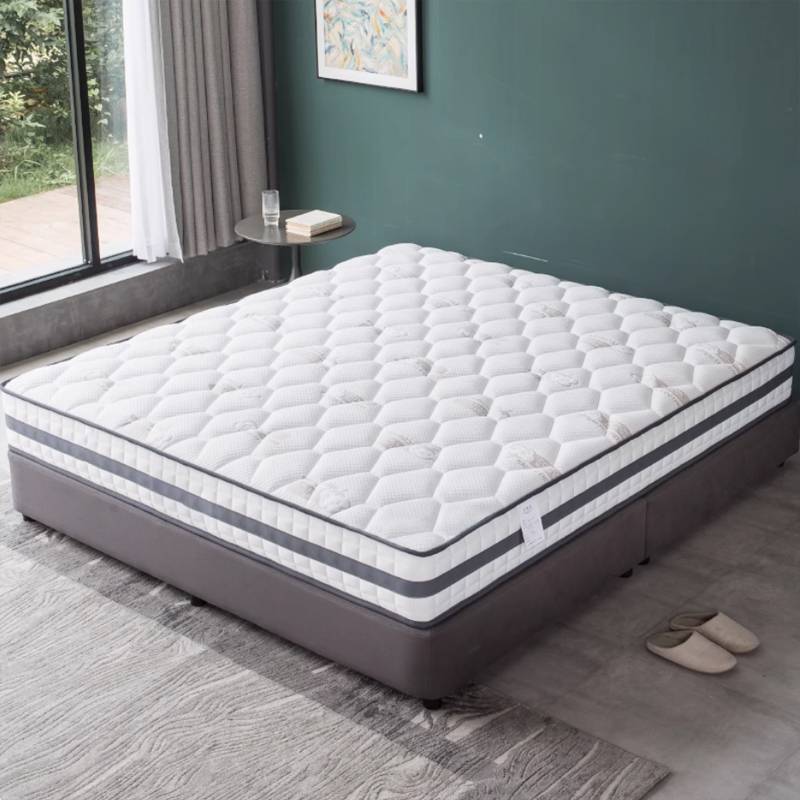
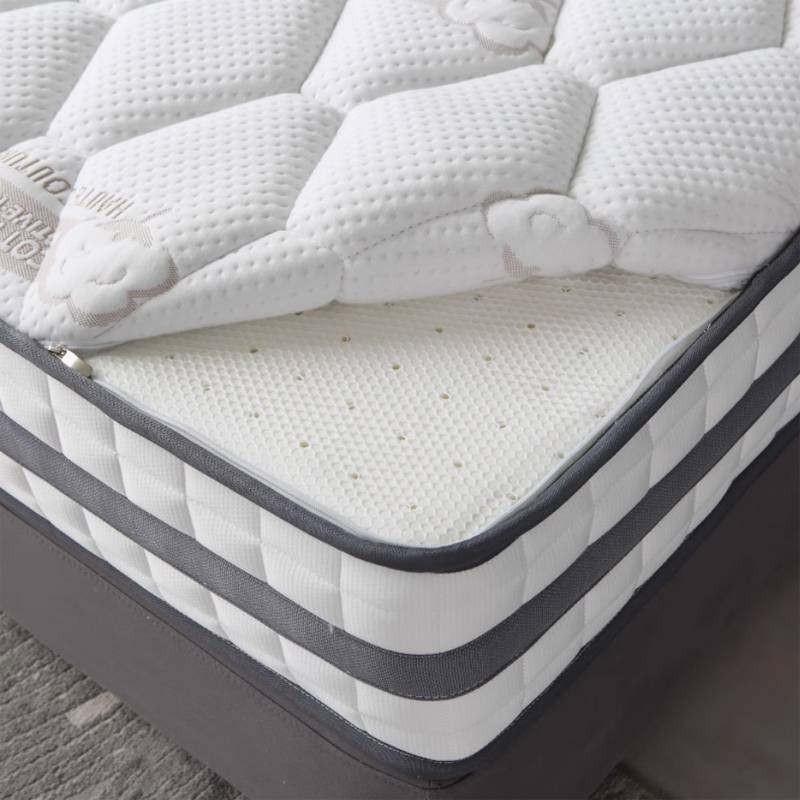
Proper care extends the lifespan and performance of a foam mattress:
- Rotate the mattress regularly
- Use a breathable mattress protector
- Avoid excessive bending or folding
- Clean surface stains immediately
- Allow periodic ventilation
Good maintenance habits can significantly improve durability and hygiene.
Conclusion
A foam sleep mattress is a practical and effective solution for improving sleep quality, comfort, and support. Its ability to adapt to body shape, reduce pressure points, and minimize motion transfer makes it suitable for a wide range of users. When chosen carefully based on firmness, density, and breathability, it can significantly enhance overall sleep experience and long-term rest quality.
FAQ
What is a foam mattress used for?
A foam sleep mattress is used to provide pressure-relieving support by contouring to the body’s shape. It helps distribute body weight evenly, improving sleep comfort and reducing stress on key areas like the shoulders, hips, and lower back for better rest quality.
Is a foam sleep mattress good for back pain?
Yes, many foam sleep mattresses help reduce back pain by supporting natural spinal alignment. The foam adapts to body curves, minimizing pressure points and keeping the spine in a more neutral position during sleep, which may improve comfort for back pain sufferers.
How long does a foam mattress last?
A good-quality foam mattress typically lasts around 6 to 10 years. Its lifespan depends on foam density, usage, and care. High-density foam models usually maintain shape and support longer, while lower-quality options may sag sooner with regular use.
Does a foam sleep mattress sleep hot?
Some foam sleep mattresses may retain heat due to their dense structure, but modern designs often include cooling gel or open-cell foam technology. These features improve airflow and temperature regulation, helping create a more comfortable sleeping environment.
What firmness is best for a foam sleep mattress?
The best firmness depends on sleep position and personal preference. Side sleepers often prefer softer foam for pressure relief, while back and stomach sleepers may choose medium to firm foam for better spinal support and alignment during sleep.
Need Help Choosing the Right Foam Mattress?
If you’re unsure which foam sleep mattress best fits your sleep style, comfort preference, and support needs, our experts are here to help. Contact us today for a personalized recommendation and find the ideal solution for better sleep quality, pressure relief, and long-term comfort. Don’t wait to improve your sleep—get in touch now and choose the perfect foam mattress for your home!