Table of Contents
Choosing a contract lounge sofa is a project decision, not just a product choice. Hotels, serviced apartments, rental operators, developers, and furniture buyers need items that match the room plan, support daily use, clean well, and arrive with clear documentation. A thoughtful contract lounge sofa plan gives purchasing and design teams a shared reference before production begins.
This guide explains how to evaluate a contract lounge sofa for B2B sourcing. It covers project use case, dimensions, material decisions, sample review, quality control, logistics, and replacement planning. The goal is to help buyers avoid vague specifications and make supplier communication more useful.
Start With the Project Use Case
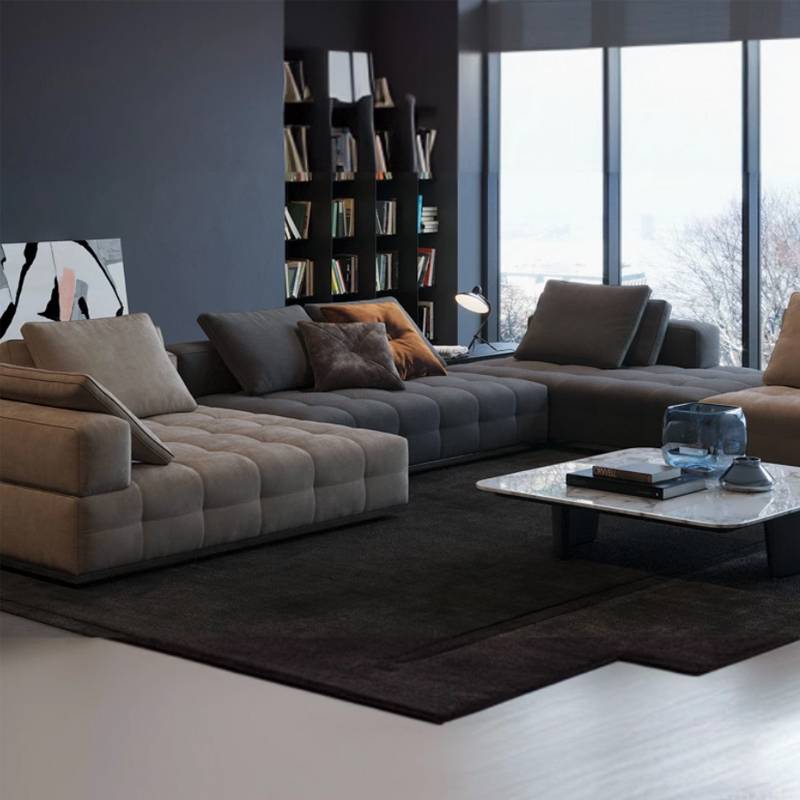
Before comparing models, define where the product will be used. A guest room, serviced apartment, showroom, villa, lobby, and long-stay rental unit can each require different construction and comfort. A contract lounge sofa for frequent turnover should prioritize durability and easy care, while a premium room may need softer materials and a more residential finish.
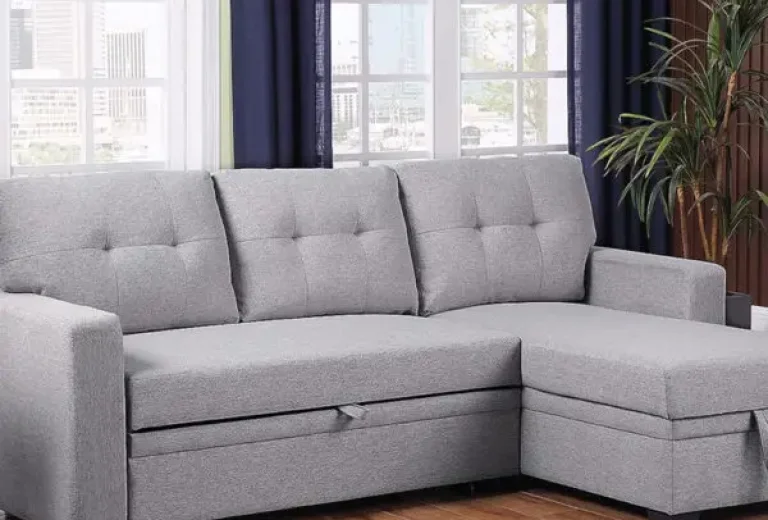
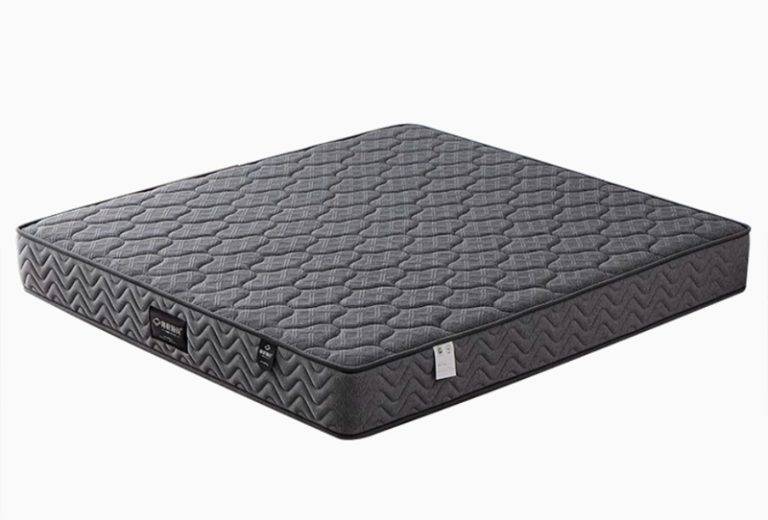
Send the supplier floor plans, room quantities, target style, preferred dimensions, delivery date, and installation limitations. If the contract lounge sofa must coordinate with bed frames, mattresses, sofas, recliners, or wider furniture packages, include those pieces in the brief. Early coordination reduces the chance of products that look attractive but fail in the actual room.
Turn Requirements Into a Specification
A strong specification makes a contract lounge sofa order easier to quote, sample, produce, inspect, and reorder. Include the exact size, finish, structure, upholstery or surface material, color code, packaging notes, carton marks, and room allocation. If more than one room type is involved, show which dimensions can change and which design details must remain consistent.
| Area | What to Confirm | Why It Matters |
|---|---|---|
| Layout | Width, depth, height, clearance | Prevents fit and installation problems |
| Material | Frame, fabric, finish, hardware | Controls cleaning and visible wear |
| Comfort | Support, foam feel, mattress or seat response | Shapes guest and user satisfaction |
| Delivery | Packaging, labels, batch sequence | Reduces site confusion and damage risk |
For internal planning, buyers can review MH Global’s product range, project services, and our custom furniture manufacturer guide. These resources help connect a contract lounge sofa decision with the rest of the sourcing package.
Evaluate Materials and Construction
Material choice should follow the operating environment. Ask how the internal structure is built, how fabric or surface finishes are applied, how hardware is fixed, and how corners are protected during transit. A contract lounge sofa repeated across many rooms needs stable construction because small differences become costly at scale.
For wood and panel discussions, the Forest Stewardship Council provides useful background on responsible forestry. For upholstery and textiles, OEKO-TEX Standard 100 helps buyers understand tested textile language. For commercial seating terminology, BIFMA standards can help teams ask sharper questions. These references support sourcing conversations, but the supplier should still provide project-specific details for the contract lounge sofa.
Review Samples Before Production
Samples reduce risk before bulk orders. A contract lounge sofa sample should be checked for dimensions, finish, comfort, frame stability, stitching or edge quality, hardware position, and packaging method. For larger orders, do not rely only on photos; inspect the product in person or request detailed sample documentation.
Test the sample in a realistic setting. Sit on it, move around it, check cleaning access, compare color under room lighting, and confirm that it works with nearby furniture. Ask the supplier to label the approved contract lounge sofa sample with material codes, dimensions, and construction notes so production can be compared against the same standard.
Set Quality Checks Early
Quality control should be discussed before production starts. Ask how dimensions, material consistency, frame assembly, upholstery alignment, hardware, packaging, and carton marks are inspected. For general process language, ISO 9001 is a useful quality management reference, but buyers should still define their own acceptance criteria.
A contract lounge sofa order should include inspection photos and clear batch records. If the project has several buildings, floors, or unit types, confirm whether each carton will be marked by room, floor, unit, or product code. That information helps installers and later helps maintenance teams identify the correct replacement item.
Plan Delivery and Replacement Records
Logistics can decide whether a good product becomes a smooth project. Confirm carton dimensions, loading order, corner protection, storage limits, elevator access, and installation timing. A contract lounge sofa that arrives too early can block the site, while a late shipment can delay room handover.
Keep final records of approved finishes, fabric codes, hardware, mechanisms, dimensions, and care notes. If one room needs repair or a property refreshes units in stages, the buyer can reorder the same contract lounge sofa specification without repeating the full sourcing process.

Final Takeaway
A successful contract lounge sofa order depends on a clear brief, practical specifications, verified samples, documented quality checks, and realistic delivery planning. Buyers who prepare drawings, room quantities, material notes, and installation requirements give suppliers the information needed to produce consistent furniture. You can contact MH Global with project drawings, quantities, preferred materials, and schedule expectations.