Table of Contents
An apartment furniture supplier for developers, serviced apartment operators, rental projects, and property managers must understand more than individual products. Apartment furniture needs to look coordinated, fit compact layouts, support daily use, and arrive in a schedule that works with project handover. A dependable apartment furniture supplier helps buyers build a repeatable package for bedrooms, living rooms, and guest spaces.
This guide explains how to evaluate an apartment furniture supplier for B2B projects. It covers furniture lists, bed and mattress planning, sofa selection, materials, sample approval, quality checks, and logistics so buyers can reduce last-minute changes.
Start With the Unit Type
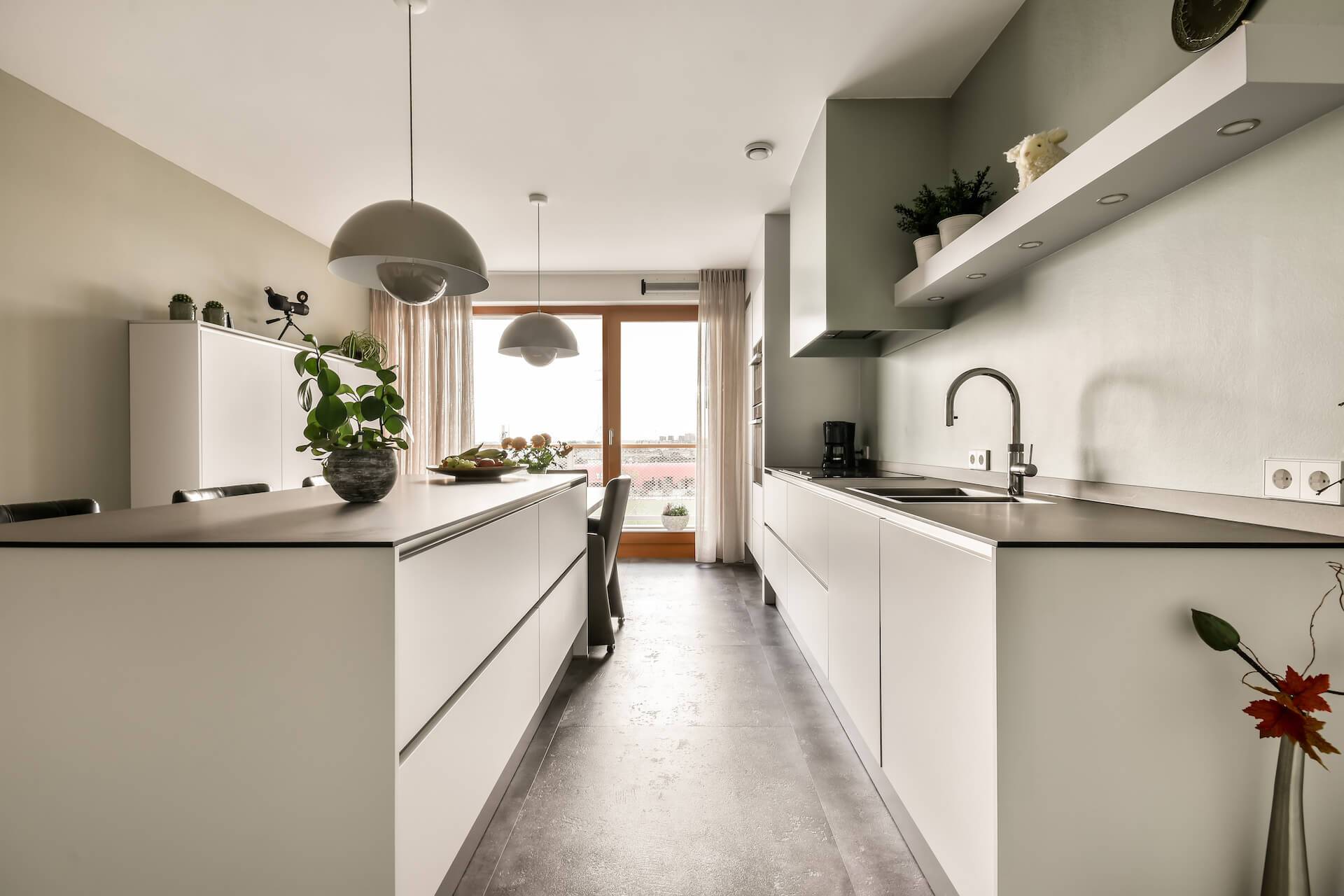
Before asking for products, define the apartment type. A studio needs space-saving seating and a compact bed plan. A one-bedroom serviced apartment may need a stronger sofa, mattress, and storage package. A premium rental unit may require higher-end finishes and a more residential look. An apartment furniture supplier should connect product recommendations to the unit type and tenant profile.
Share floor plans, quantities, target style, installation timeline, and room-by-room requirements. If the apartment furniture supplier receives only a mood board, important details such as delivery access, bed height, sofa depth, and cleaning needs may be missed.
For early budgeting, tell the apartment furniture supplier which items are fixed and which items can still change. A developer may already know the bed size and sofa position but still be deciding fabric, finish, or storage details. Clear priorities help the apartment furniture supplier prepare a realistic proposal without overcomplicating the first quotation.
Build a Practical Furniture Schedule
A clear schedule helps the apartment furniture supplier price and produce consistently. List beds, mattresses, sofas, chairs, tables, storage pieces, and any custom items. Include dimensions, materials, finish colors, and room quantities. The schedule becomes the shared reference for quotations, samples, production, and inspection.
| Area | Typical Items | Key Decision |
|---|---|---|
| Bedroom | Bed frame, mattress, nightstand | Confirm height, support, and storage needs. |
| Living area | Sofa, lounge chair, coffee table | Balance comfort with walkway space. |
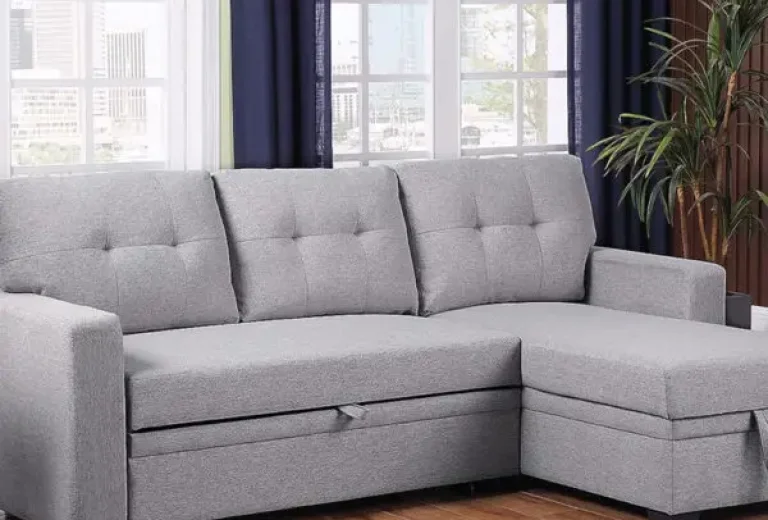
| Guest flexibility | Sofa bed or compact seating | Check open dimensions and mechanism use. |
| Storage | Wardrobe, bench, cabinet | Plan durability and installation access. |
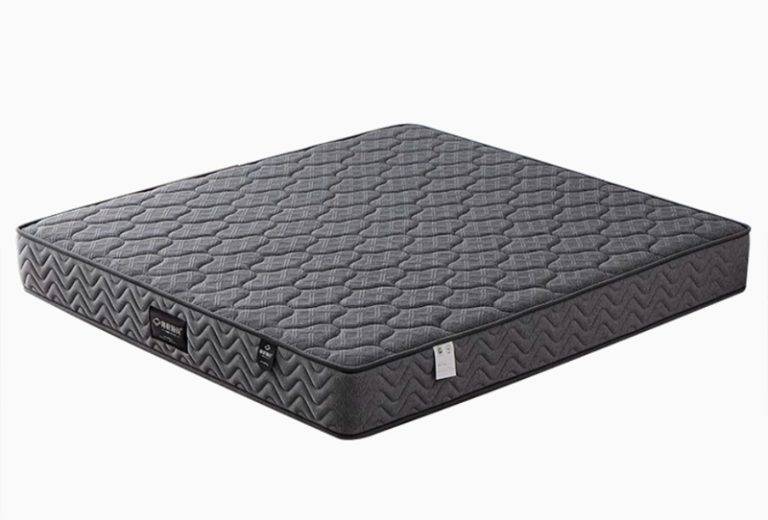
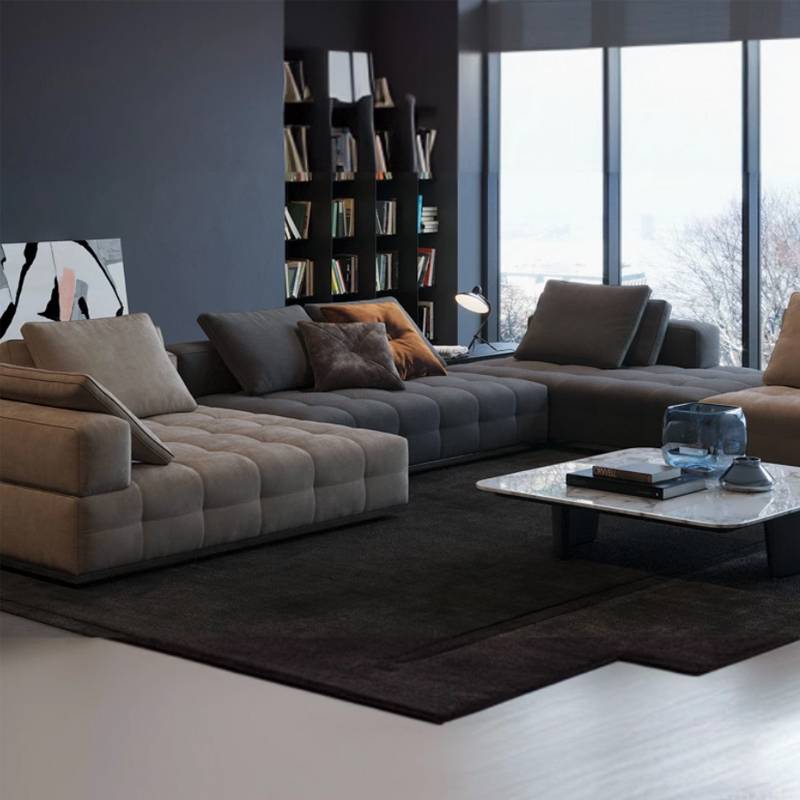
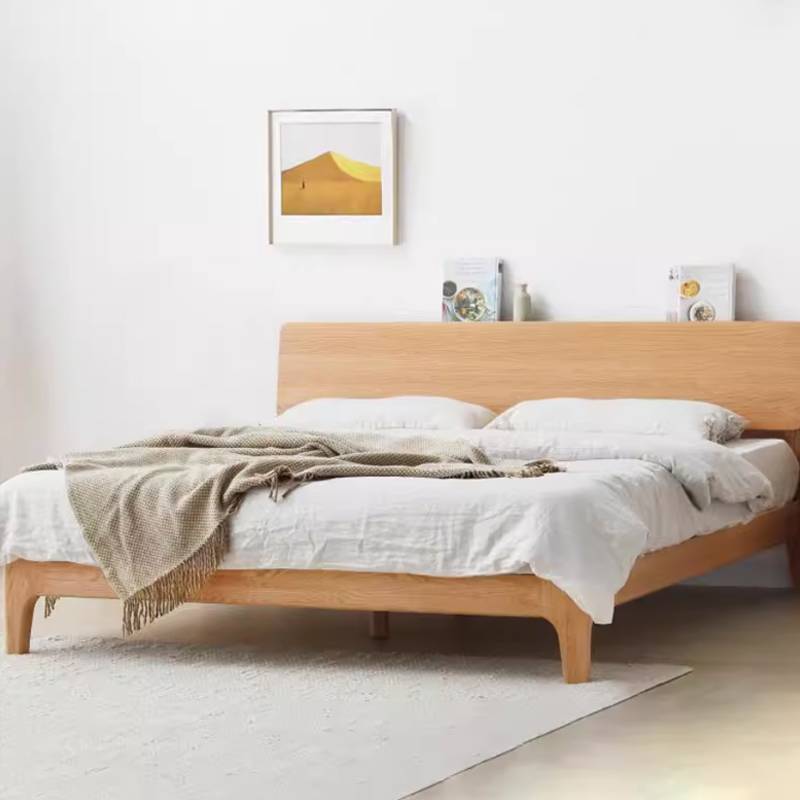
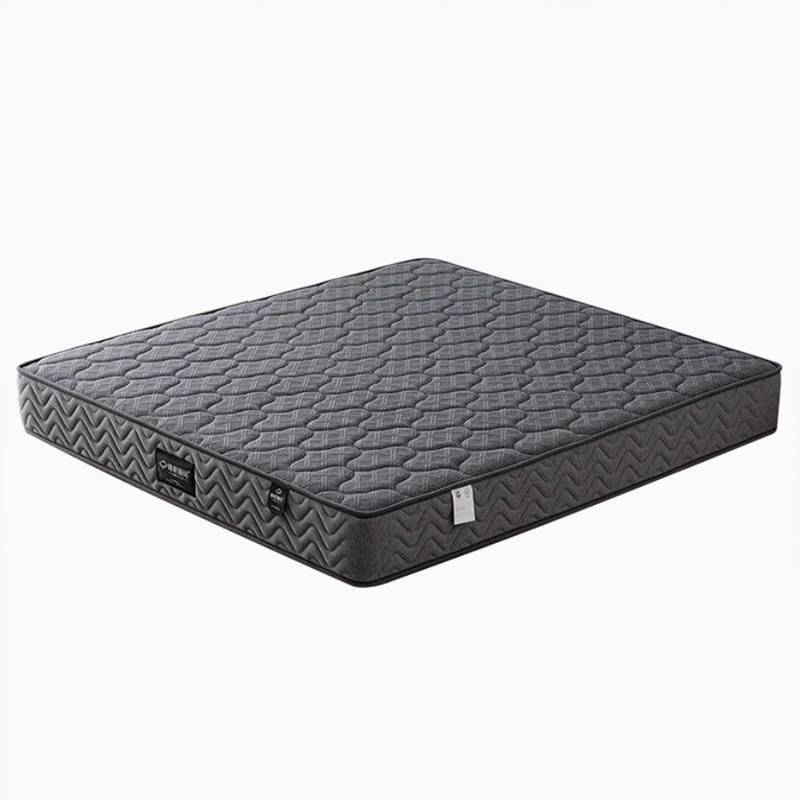
MH Global product categories include wooden bed frame, hybrid mattress, sofa couch, and sofa bed options for apartment and hospitality projects.
Choose Materials for Daily Use
Apartment furniture often faces different wear than hotel furniture. Longer stays, cooking, luggage, pets in some properties, and frequent cleaning can all affect material choice. An apartment furniture supplier should ask about tenant profile, cleaning method, humidity, sunlight exposure, and replacement planning before recommending finishes.
For wood-related questions, the Forest Stewardship Council provides background on responsible forestry. For textile discussions, OEKO-TEX Standard 100 is a useful reference. These resources help buyers ask better questions, but the apartment furniture supplier should still provide product-specific material details.
Use Samples Before Bulk Orders
Samples are important because apartment projects often repeat the same furniture across many units. Ask the apartment furniture supplier to provide samples or finish boards for key items. Review fabric, wood finish, stitching, hardware, foam feel, mattress height, and packaging method.
Test samples in a real unit or mock-up when possible. Open doors and drawers, walk around the sofa, sit on the bed edge, and check whether the furniture makes the unit feel crowded. A good apartment furniture supplier will help adjust dimensions before bulk production if the sample reveals layout problems.
A mock-up unit also helps the operations team review cleaning access, outlet positions, luggage space, and replacement needs. When the apartment furniture supplier receives this feedback before production, the final furniture package is more likely to work across every repeated unit.
Confirm Quality and Installation Details
Quality control should include dimensions, finish color, upholstery alignment, hardware, packaging, labels, and assembly instructions. For process language, ISO 9001 is a helpful reference for quality management. For usability, the general concept of ergonomics can support discussions about seating height, bed access, and desk comfort.
Ask the apartment furniture supplier how items are packed and marked by unit, room, or product type. Clear labels reduce confusion on site. For phased projects, delivery batches should match building access and room readiness.
For long-term operations, discuss replacement planning before the first order ships. The apartment furniture supplier should record approved fabrics, finishes, hardware, and product dimensions so future maintenance teams can reorder matching pieces. This is especially important for serviced apartments, where rooms may be refreshed in stages instead of all at once. Keep these records with the final project handover files.
Final Takeaway
A strong apartment furniture supplier helps buyers create a coordinated, durable, and installable package. Start with unit types, build a clear furniture schedule, choose materials for daily use, approve samples, and document quality and logistics. You can review MH Global’s services, read our custom furniture manufacturer guide, or contact us with project drawings and quantities.