Table of Contents
What Is an Adjustable Recliner Chair?

Definition and Core Features
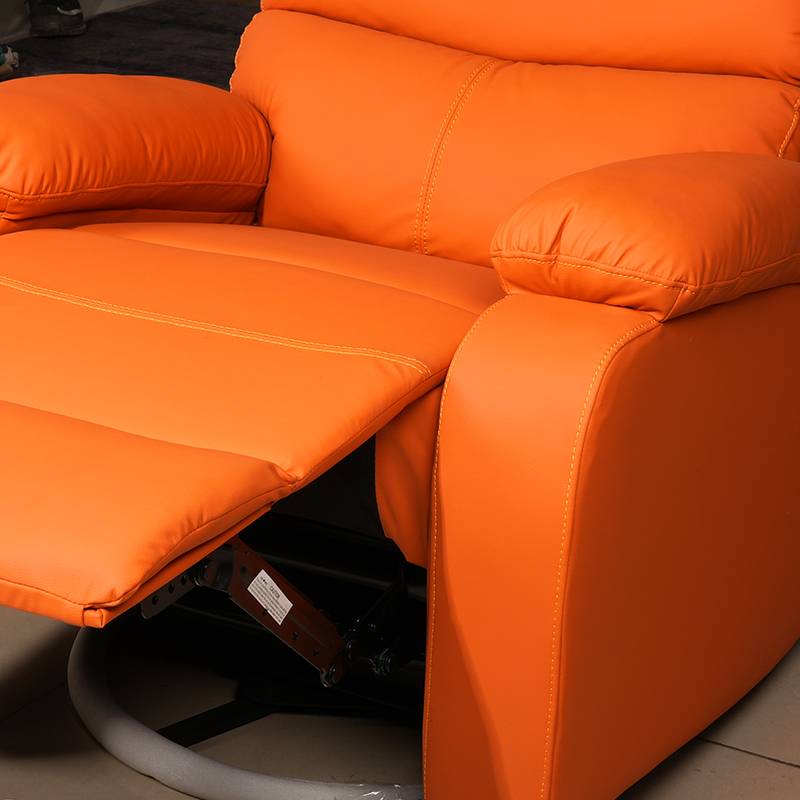
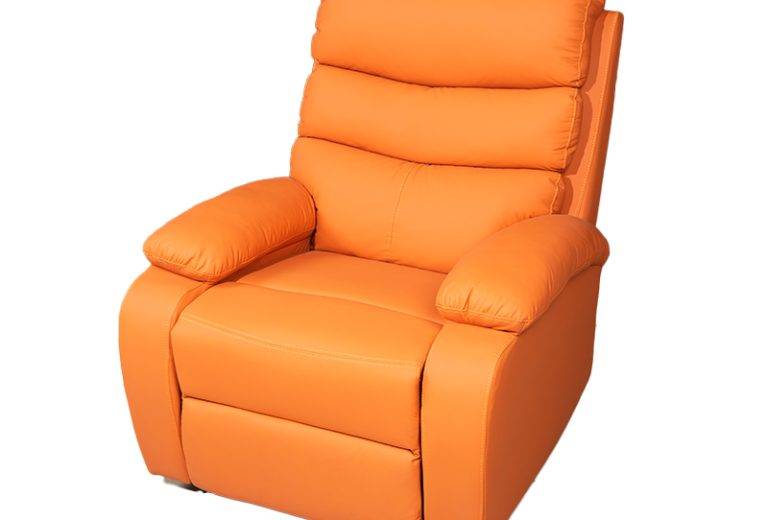
An adjustable recliner chair is a versatile seating solution designed to provide personalized comfort through multiple positioning options. Unlike traditional chairs, these chairs feature adjustable backrests, extendable footrests, and often include specialized mechanisms that allow users to find their ideal seating angle for various activities—from working at a desk to lounging during movie nights.
The core components include a robust frame, cushioning system, reclining mechanism, and upholstery that work together to deliver ergonomic support. Modern adjustable recliners come in various styles, ranging from compact wall-hugger designs to luxurious power models with advanced features like massage functions, heating elements, and USB charging ports.
Manual vs Electric Adjustable Recliner Chair
The choice between manual and electric models depends on your specific needs and preferences:
Manual Recliners operate using a side lever or push-back mechanism. These chairs are generally more affordable, require no electrical power source, and offer straightforward reliability. They’re ideal for budget-conscious buyers or those who prefer simpler functionality. Manual recliners typically provide 2-3 preset reclining positions and are easier to maintain due to fewer moving parts.
Electric (Power) Recliners utilize motors controlled by buttons or remote controls, allowing for infinite positioning adjustments with minimal physical effort. These models excel in accessibility, making them perfect for elderly users or individuals with mobility limitations. Power recliners often come equipped with additional features such as massage, heat, zero-gravity positioning, and memory settings that recall your favorite positions. While they require access to electrical outlets and come at a higher price point, the convenience and customization options they offer can be invaluable for daily users.
Key Components
Understanding the essential parts of an adjustable recliner chair helps in making an informed purchase decision:
- Backrest: Provides crucial spine support and determines the chair’s overall comfort. Quality backrests follow the natural S-curve of your spine, with adjustable lumbar support that maintains proper alignment.
- Footrest: Extends to support your legs, improving circulation and reducing pressure on your lower back. Well-designed footrests should extend fully to support your heels without leaving your calves hanging off the edge.
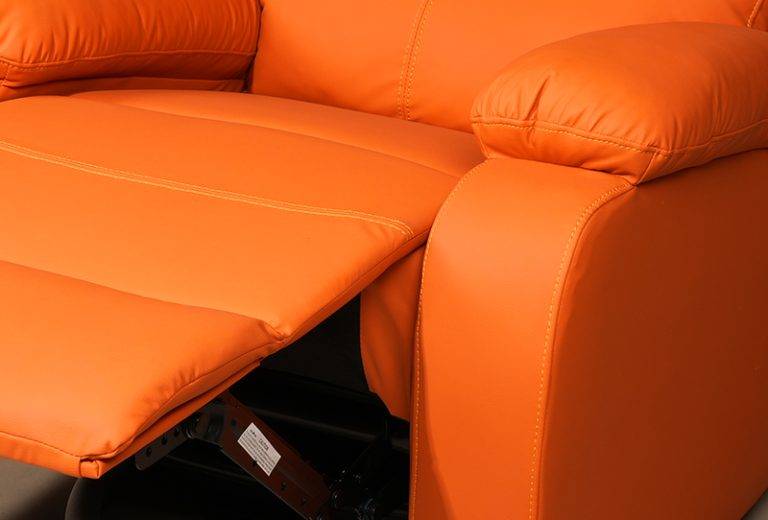
- Reclining Mechanism: The heart of the chair’s functionality. Manual mechanisms use levers or push-back systems, while power mechanisms employ electric motors for smooth, precise adjustments. Look for durable metal components that ensure long-term reliability.
Benefits of an Adjustable Recliner Chair for Modern Living
Ergonomic Support and Comfort
Adjustable recliner chairs are engineered with ergonomics at their core. Unlike standard seating that forces you into a fixed 90-degree position, these chairs allow you to distribute weight evenly across your body. High-density foam cushions contour to your shape, providing personalized support that adapts to your unique body contours. The ability to adjust multiple angles means you can find the perfect position for any activity—whether you’re reading a book, watching television, or taking a quick nap.
Adjustable Recliner Chair for Back Pain Relief
For individuals suffering from chronic back pain, an adjustable recliner chair can be a game-changer. Research demonstrates that reclining to angles between 120-135 degrees reduces lumbar disc pressure by 40-50% compared to upright sitting. The zero-gravity position, which elevates your legs above heart level, nearly eliminates gravitational pull on the spine and improves circulation.
Key features that contribute to back pain relief include:
- Adjustable lumbar support that maintains your lower back’s natural curve
- Adjustable headrests that prevent forward head posture
- Full leg elevation for spinal decompression
- Power reclining mechanisms that eliminate physical strain during position changes
Ideal for Elderly and People with Mobility Needs
For seniors or individuals with mobility challenges, adjustable recliner chairs offer independence and comfort. Power lift recliners, in particular, assist users in transitioning from sitting to standing positions safely. The effortless operation of electric models means minimal physical effort is required to find your perfect position, reducing the risk of strain or injury.
Additional benefits include:
- Elevated seat heights for easier entry and exit
- Wide armrests for leverage when standing
- Remote controls with large, easy-to-read buttons
- Stability features that prevent tipping or sliding
Enhancing Living Room and Home Theater Experience
Transform your entertainment space with adjustable recliner chairs designed for comfort during extended viewing sessions. Many models come equipped with thoughtful features that enhance your movie-watching or gaming experience:
- Built-in cup holders to keep beverages within easy reach
- Side storage pockets for remotes, magazines, or gaming controllers
- Integrated USB ports for charging devices without leaving your seat
- Console recliners with center units that create the ultimate home theater setup
For dedicated home theaters, consider wall-hugger designs that maximize space efficiency while still providing full recline capabilities.
Types of Adjustable Recliner Chairs Available on the Market
Power Adjustable Recliner Chair
Power adjustable recliners represent the pinnacle of convenience and customization. These motorized chairs allow for precise positioning through button controls or remote operation. Advanced features include:
- Dual-motor systems that independently control backrest and footrest positions
- Memory settings that save your preferred recline angles
- Whisper-quiet motors for smooth, unobtrusive operation
- Battery backup options for placement flexibility away from outlets
Power recliners are particularly beneficial for individuals who spend extended periods in their chairs, as they reduce physical strain and enable effortless adjustments throughout the day.
Manual Recliner Chair
Manual recliners offer reliable comfort without the need for electricity. These chairs operate through mechanical systems that have proven durable over decades of use:
- Lever-actuated models use a side handle to release the footrest and recline mechanism
- Push-back designs respond to your body weight for intuitive operation
- Rocker recliners combine reclining functionality with soothing back-and-forth motion
- Generally more affordable than power models
- Can be placed anywhere in a room without concern for outlet access
While manual recliners require some physical effort to operate, their simplicity and reliability make them an excellent choice for casual use or secondary seating areas.
Lift Recliner Chair for Elderly
Lift recliners are specifically designed to assist users with mobility challenges. These chairs feature a powered lifting mechanism that gently tilts the entire seat forward, helping users transition from sitting to standing positions with minimal effort. Essential features include:
- Quiet, smooth lifting motors that won’t startle users
- Remote controls with simple, easy-to-press buttons
- Reinforced frames for stability during lifting
- Safety sensors that stop the lift if obstruction is detected
- Wide, padded armrests for additional support
Many lift recliners also incorporate therapeutic features such as heat and massage, providing relief for aching muscles and joints.
Adjustable Recliner Chair with Massage and Heat
For those seeking the ultimate relaxation experience, massage and heat recliners deliver spa-like comfort in the comfort of your home. These models typically include:
- Multiple massage zones targeting the back, lumbar region, thighs, and calves
- Adjustable intensity levels to suit your preferences
- Various massage modes, including rolling, kneading, and tapping
- Heating elements that provide therapeutic warmth for sore muscles
- Timer functions to automatically shut off features after set periods
While these chairs come at a premium price point, the therapeutic benefits they offer can be invaluable for individuals with chronic pain or muscle tension.
Zero Gravity Recliner Chair
Inspired by NASA research, zero gravity recliners elevate your legs above heart level while reclining the backrest, creating a position that nearly eliminates gravitational pull on your spine. This position offers numerous benefits:
- Reduced spinal pressure and improved circulation
- Even weight distribution across your body
- Enhanced relaxation and stress relief
- Ideal for individuals recovering from back surgery or with chronic back pain
- Often featured in premium power recliners as a specialized position
Many zero gravity recliners incorporate additional features such as adjustable air lumbar support and articulating headrests for comprehensive comfort.
Key Features to Look for in an Adjustable Recliner Chair
Adjustable Positions and Reclining Angles
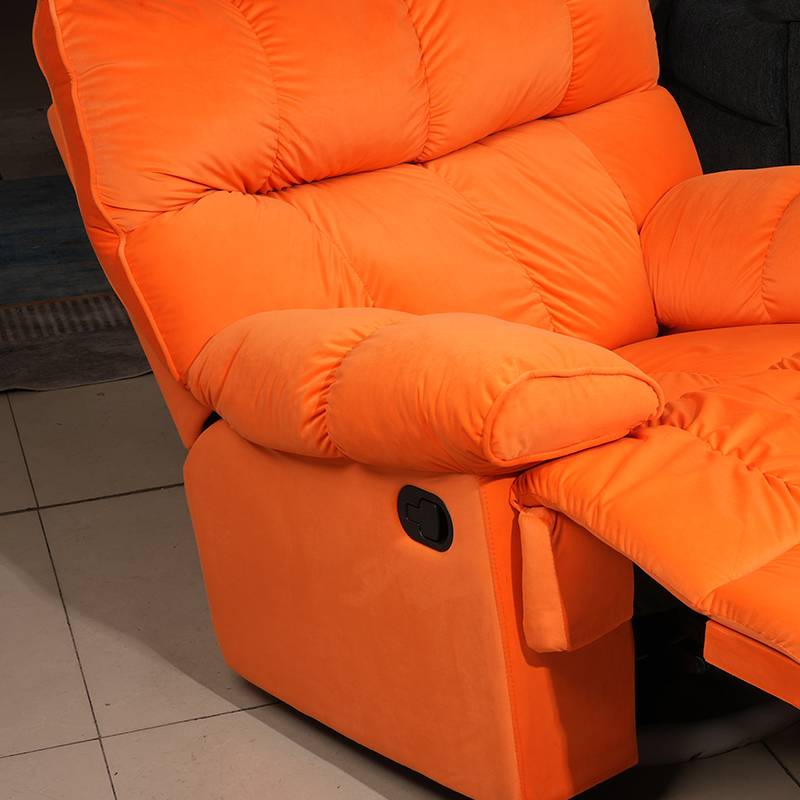
The range of adjustable positions is a critical consideration when selecting your recliner. Look for chairs that offer:
- Multiple reclining angles from upright (90°) to fully reclined (often 150° or more)
- Infinite positioning capabilities in power models for precise customization
- Wall-hugger designs if space is limited (require only 4-6 inches of clearance)
- Smooth, quiet operation at all positions
- Locking mechanisms that securely hold your chosen position
For therapeutic benefits, prioritize models that allow you to achieve the scientifically-backed 120-135 degree angle for optimal spinal pressure relief.
Upholstery Materials
The choice of upholstery affects both comfort and durability. Consider these options:
Genuine Leather: Premium option that develops a beautiful patina over time. Breathable and durable, leather stays cooler in summer and warmer in winter. Easy to clean but requires regular conditioning to maintain suppleness. Generally more expensive than fabric options.
Fabric Upholstery: Available in countless colors, patterns, and textures. Typically more affordable than leather and offers a warmer, cozier feel. High-quality fabrics with stain-resistant treatments are ideal for households with children or pets. Some advanced fabrics offer antimicrobial properties for enhanced hygiene.
Faux Leather: Provides the look of leather at a more accessible price point. Easy to clean and maintain, though less breathable than genuine leather. Good for allergy sufferers as it doesn’t harbor dust mites or allergens.
Microfiber: Soft, durable, and resistant to stains and fading. Excellent choice for households with pets, as it resists claw damage. Easy to clean with just soap and water.
Frame Construction and Durability
The quality of the frame determines your recliner’s longevity and performance. Key indicators of superior construction include:
- Kiln-dried hardwood frames that resist warping and cracking
- Four-sided frame construction for even weight distribution
- Reinforced steel or hardwood bases that won’t crack under stress
- Heavy-duty reclining mechanisms made from metal rather than plastic
- Reinforced stitching and quality hardware throughout
Always check weight capacity specifications—quality chairs typically support 300-400 pounds or more. Don’t hesitate to ask manufacturers about frame materials and construction methods, as these details directly impact durability.
Additional Features
Modern adjustable recliners offer a variety of convenient enhancements:
USB Ports: Integrated charging ports for smartphones, tablets, and other devices eliminate the need for extension cords or leaving your comfortable position.
Cup Holders: Built-in cup holders keep beverages secure and within reach during movie nights or gaming sessions. Some models include concealed designs that maintain the chair’s aesthetic.
Storage Pockets: Side pockets provide convenient storage for remotes, magazines, reading glasses, and other essentials.
Swivel Bases: 360-degree rotation allows you to face different directions without moving the entire chair, perfect for rooms with multiple focal points.
Adjustable Headrests: Customizable head support prevents neck strain and accommodates users of different heights.
Weight Capacity and Size Considerations
Proper sizing ensures comfort and safety. Consider these factors:
- Seat Width: Standard widths range from 21-24 inches, with oversized models up to 30+ inches for larger users.
- Seat Depth: Affects how well your legs are supported. Look for 20-22 inches for most users, with adjustable options available.
- Back Height: Should fully support your head and neck. Tall users may need models with extended back heights or adjustable headrests.
- Weight Capacity: Ensure the chair’s rating exceeds the heaviest potential user. Quality chairs typically support 300-400 pounds.
- Overall Dimensions: Measure your room carefully, accounting for space needed when the chair is fully reclined.
Many manufacturers offer recliners in different scale sizes—petite (under 5’4″), standard (5’5″-5’9″), tall (5’10”-6’2″), and extra tall (6’3″+)—to ensure proper fit for users of all heights.
How to Choose the Right Adjustable Recliner Chair for Your Needs
For Living Room Use
When selecting a recliner for your main living space, balance comfort with aesthetics:
- Choose upholstery that complements your existing furniture and decor
- Consider wall-hugger models if space is limited or you prefer a cleaner look
- Look for durable materials that can withstand daily use by multiple family members
- Prioritize smooth reclining mechanisms that won’t disturb conversation or television viewing
- Measure your room carefully to ensure adequate clearance for reclining
For family rooms where pets or children are present, opt for stain-resistant fabrics or durable leather that can handle spills and accidents. Darker colors tend to hide stains better than lighter shades.
For Office or Gaming Setup
Creating an ergonomic workspace with your recliner requires careful consideration:
- Choose models with lumbar support and adjustable headrests to prevent strain during extended use
- Consider recliners with swivel bases for easy orientation toward multiple screens
- Look for models with built-in USB ports to keep devices charged
- Ensure the chair’s height allows your feet to rest flat on the floor when in the upright position
- Consider pairing your recliner with a lap desk or portable tray for workspace functionality
For gaming setups, prioritize models with features like cup holders and storage pockets for controllers. Some specialized gaming recliners include built-in speakers or connectivity options for enhanced immersion.
Adjustable Recliner Chair for Small Spaces
Apartments and smaller rooms demand space-efficient solutions:
- Wall-hugger designs require only 4-6 inches of clearance behind the chair
- Compact models with smaller footprints maximize available space
- Consider swivel recliners that can rotate without needing extra room for movement
- Look for lightweight models that are easier to rearrange as needed
- Some models feature sleek, contemporary designs that don’t visually dominate small rooms
Measure your space carefully before purchasing, accounting for doorways and furniture placement. Consider how the recliner will fit into your room’s traffic patterns.
Heavy Duty Adjustable Recliner Chair for Larger Users
Finding supportive seating for larger individuals requires attention to specific features:
- Oversized seat widths (28+ inches) for comfortable accommodation
- Reinforced frames and bases designed for higher weight capacities (400+ pounds)
- Wider armrests for additional support when standing or sitting
- Extended back heights to properly support taller users
- Heavy-duty reclining mechanisms that won’t strain under additional weight
Many manufacturers offer “big and tall” versions of their popular models specifically engineered to provide exceptional support and durability for larger users.
Adjustable Recliner Chair for Back Pain: What You Should Know
Recommended Reclining Angles for Spine Support
Scientific research has identified optimal angles for spinal relief:
- 90°: Upright position for activities requiring focus
- 110-120°: Mild recline for reading or working
- 125-135°: Optimal angle for reducing lumbar disc pressure by up to 50%
- Zero Gravity: Legs elevated above heart level for maximum spinal decompression
- 150°+: Nearly fully reclined for relaxation or napping
Avoid staying in any single position for extended periods. Changing positions regularly promotes healthy circulation and prevents stiffness. Many power recliners allow you to save your preferred angles as memory presets for easy adjustment throughout the day.
Lumbar Support and Cushioning
Proper lumbar support is essential for back pain relief:
- Adjustable lumbar mechanisms allow you to position support exactly where you need it
- High-density foam provides firm yet comfortable support without collapsing over time
- Look for chairs with contoured backrests that follow your spine’s natural S-curve
- Air lumbar systems offer customizable inflation for personalized support
- Some premium models include zone-specific heating for therapeutic relief
When testing chairs, pay attention to how well the lumbar support maintains contact with your lower back in different positions. Gaps between your spine and the backrest indicate inadequate support.
Comparing Ergonomic Recliner Chair Designs
Different ergonomic approaches suit various back pain needs:
Static Support: Traditional designs with fixed lumbar cushions. Simple and reliable but may not adapt to changes in posture or position.
Adjustable Support: Lumbar cushions that can be repositioned or inflated. Allows for customization but requires manual adjustment.
Dynamic Support: Advanced systems that automatically adapt to your movements. Some premium models include sensors that detect posture changes and adjust support accordingly.
Zero Gravity Systems: Specialized mechanisms that achieve the therapeutic zero-gravity position. Ideal for individuals with chronic back conditions or recovering from injury.
When comparing options, prioritize chairs that allow you to maintain the natural curve of your spine throughout the full range of motion. Avoid models that create pressure points or force your spine into unnatural positions.
Adjustable Recliner Chair Price Guide and Budget Considerations
Entry-Level vs Mid-Range vs Premium Recliner Chairs
Understanding price tiers helps you set realistic expectations:
Entry-Level ($300-$800)
- Basic materials and construction
- Manual reclining mechanisms
- Standard fabric upholstery
- Limited color and style options
- Suitable for occasional use or secondary seating
Mid-Range ($800-$1,500)
- Improved materials including hardwood frames
- Both manual and power options available
- Higher-quality fabrics or entry-level leather
- Additional features like USB ports or storage
- Better durability and warranty coverage
- Ideal for daily use in primary living spaces
Premium ($1,500+)
- Kiln-dried hardwood frames and premium materials
- Advanced power reclining systems with dual motors
- Genuine leather or high-end fabrics
- Specialized features like massage, heat, zero-gravity positioning
- Extended warranties (often 5+ years)
- Customization options for materials, colors, and features
- Designed for long-term, daily use and maximum comfort
Remember that the most expensive option isn’t necessarily the best for your needs. Focus on finding the chair that offers the features and quality level that match your intended use and budget.
What Affects the Cost of an Adjustable Recliner Chair
Several factors determine a recliner’s price point:
Materials: Genuine leather, high-density foam, hardwood frames, and metal components increase costs significantly compared to fabric, standard foam, and engineered wood.
Mechanism Complexity: Simple manual levers are most economical, while dual-motor power systems with infinite positioning cost considerably more.
Additional Features: Massage, heat, USB ports, storage compartments, and specialized functions like lift assistance add to the price.
Brand and Construction Quality: Established brands with proven track records typically charge more for superior craftsmanship, better materials, and enhanced warranty coverage.
Size and Scale: Oversized or specialty models for taller users often cost more due to additional materials and engineering requirements.
Customization Options: Made-to-order models with your choice of fabric, color, and features command premium pricing.
When evaluating cost, consider the chair’s expected lifespan and daily use. A higher initial investment in quality construction often proves more economical than replacing cheaper models every few years.
How to Find Affordable Adjustable Recliner Chair Options
Strategies for getting the best value include:
Seasonal Sales: Look for discounts during major holiday sales events when retailers often offer significant markdowns.
Previous Year Models: Manufacturers and retailers sometimes discount previous year’s models to make room for new inventory. These chairs often offer essentially the same features and quality at reduced prices.
Outlet Stores: Manufacturer outlets and clearance sections may offer quality chairs with minor cosmetic imperfections at substantial discounts.
Package Deals: Some retailers offer discounts when purchasing multiple chairs or coordinating furniture pieces.
Refurbished Options: Manufacturer-refurbished models can provide excellent value, often coming with full warranty coverage despite being previously returned.
Online Marketplaces: Authorized online retailers sometimes offer better pricing than brick-and-mortar stores due to lower overhead costs.
While pursuing savings, prioritize reputable retailers and manufacturers to ensure you receive genuine products with proper warranty coverage. Deals that seem too good to be true often involve compromised quality or unauthorized sellers.
Manufacturing Process of Adjustable Recliner Chairs
Material Selection and Quality Standards
The foundation of a quality adjustable recliner begins with material selection:
Frame Materials: Premium manufacturers use kiln-dried hardwoods like oak, maple, or poplar that resist warping and cracking. The drying process removes moisture that could cause structural issues over time. Metal components are typically powder-coated for rust resistance.
Cushioning Materials: High-density foam provides lasting support without collapsing. Premium models often combine multiple foam densities for optimal comfort in different zones. Some specialty chairs incorporate gel-infused foam or memory foam for enhanced pressure relief.
Upholstery Materials: Leather undergoes rigorous quality testing for thickness, colorfastness, and durability. Fabrics are tested for abrasion resistance, stain resistance, and color retention. Antimicrobial treatments may be applied for enhanced hygiene.
Hardware: Bolts, screws, and other fasteners meet or exceed industry standards for strength and corrosion resistance. Quality control includes random sampling and stress testing.
Reputable manufacturers maintain comprehensive quality management systems and often seek certifications such as ISO 9001 for their manufacturing processes.
Reclining Mechanism Engineering
The reclining mechanism represents the technical heart of your chair:
Design Phase: Engineers use CAD software to design mechanisms that provide smooth, reliable operation while withstanding years of daily use. Finite element analysis predicts stress points and potential failure modes.
Prototype Testing: Before mass production, prototype mechanisms undergo extensive testing for durability, smoothness, and reliability. This includes cycle testing (often 50,000+ operations), load testing, and environmental testing.
Material Selection: High-grade steel alloys provide strength without excessive weight. Bushings and bearings are selected for smooth operation and long life. Some premium mechanisms incorporate sealed components for maintenance-free operation.
Manufacturing Precision: Precision machining ensures components fit together properly for smooth operation. Quality control includes dimensional checks and tolerance verification.
Assembly: Skilled technicians assemble mechanisms following detailed procedures, often with torque specifications for fasteners to ensure proper assembly without over-tightening.
Quality manufacturers typically test sample mechanisms from each production batch to ensure consistent performance.
Upholstery and Assembly Process
The final stages bring all components together:
Frame Assembly: Technicians assemble the frame following detailed instructions, using appropriate fasteners and adhesives. Quality checks ensure proper alignment and structural integrity.
Suspension Installation: Spring systems or webbing provide the foundation for cushioning. Premium chairs often use sinuous springs or eight-way hand-tied construction for superior support.
Cushion Installation: Foam cushions are cut to precise specifications and covered with appropriate materials. Multi-layer construction combines different materials for optimal comfort and durability.
Upholstery Application: Skilled upholsterers apply fabric or leather, ensuring smooth, wrinkle-free application with proper tension. Corners and seams require particular attention for appearance and durability.
Final Assembly: All components come together as technicians install the mechanism, cushioning, and upholstery into the frame. This stage requires coordination to ensure proper operation.
Quality Inspection: Each completed chair undergoes final inspection covering appearance, functionality, and safety. Any issues are addressed before shipping.
Throughout this process, manufacturers maintain detailed quality records that enable traceability and continuous improvement.
Quality Control and Testing Procedures
Comprehensive quality control ensures consistent performance:
Incoming Material Inspection: All materials undergo inspection upon arrival to verify they meet specifications. This includes testing of fabric samples, foam density verification, and dimensional checks on frame components.
In-Process Quality Checks: Critical assembly points include verification steps to catch issues early. This prevents defective products from advancing through production.
Finished Goods Testing: Sample testing of completed products validates overall quality. Tests may include weight capacity, mechanism operation, upholstery inspection, and dimensional verification.
Durability Testing: Accelerated life testing simulates years of use. Mechanisms may cycle thousands of times, upholstery undergoes abrasion testing, and frames are subjected to stress tests exceeding normal use conditions.
Safety Testing: Products are tested for compliance with safety standards including stability, tip resistance, fire safety, and electrical safety for powered models.
Field Feedback Collection: Manufacturers monitor customer feedback and warranty claims to identify potential issues and drive continuous improvement in design and manufacturing processes.
Reputable manufacturers document all quality control activities and maintain traceability from raw materials to finished products.
Why Work with a Professional Adjustable Recliner Chair Manufacturer
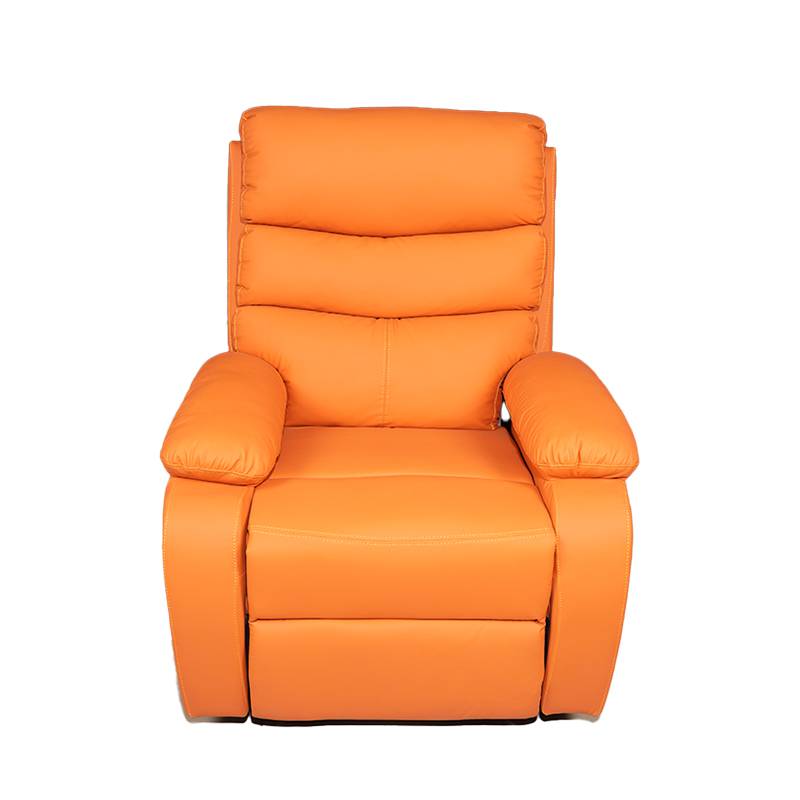
OEM and Custom Adjustable Recliner Chair Solutions
Partnering with an experienced manufacturer offers significant advantages for businesses:
Original Equipment Manufacturing (OEM) : Experienced manufacturers can produce recliners to your exact specifications, from design to finished product. This allows you to offer unique products that differentiate your brand in the marketplace.
Custom Design Capabilities: Professional manufacturers have in-house design teams that can help develop custom products tailored to your target market. This includes everything from unique styling to specialized features.
Flexible Production Capabilities: Whether you need small runs of specialty products or high-volume production of standard models, experienced manufacturers can scale production to meet your needs.
Rapid Prototyping: Advanced manufacturers can quickly produce prototypes for testing and validation, accelerating your product development cycle.
Private Label Options: Manufacturers can produce products under your brand name, allowing you to build your brand identity while leveraging their manufacturing expertise.
Working with a manufacturer that understands both traditional craftsmanship and modern technology ensures you receive products that balance quality, innovation, and cost-effectiveness.
Bulk Orders and Wholesale Advantages
Purchasing in volume offers significant economic benefits:
Volume Discounts: Manufacturers offer progressively better pricing as order quantities increase. This can make premium products more accessible while maintaining healthy profit margins.
Consolidated Shipping: Large orders often qualify for more favorable shipping rates, reducing per-unit transportation costs.
Priority Production: Large orders may receive priority scheduling, ensuring timely delivery during peak seasons.
Customization Opportunities: Minimum order quantities for customization features become achievable with bulk orders.
Inventory Management: Manufacturers can sometimes provide warehousing and staged delivery options to help manage your inventory efficiently.
Predictable Costs: Locked-in pricing for large orders helps with budgeting and financial planning, especially important for seasonal businesses.
When planning bulk orders, communicate your timeline requirements clearly to the manufacturer. This allows them to schedule production and allocate resources effectively to meet your deadlines.
Consistent Quality and Supply Chain Reliability
Reliability matters as much as price in supplier relationships:
Quality Consistency: Established manufacturers maintain rigorous quality control systems that ensure every unit meets the same high standards. This consistency protects your brand reputation and reduces returns.
Supply Chain Stability: Professional manufacturers maintain relationships with reliable material suppliers and have contingency plans for potential disruptions. This reduces the risk of delays or quality issues.
Production Capacity: Manufacturers with proven production capabilities can scale to meet demand increases without compromising quality or delivery times.
Documentation and Compliance: Professional manufacturers provide necessary documentation including safety certifications, material specifications, and warranty information.
Technical Support: If issues arise, experienced manufacturers have technical teams that can provide support and solutions quickly.
Continuous Improvement: The best manufacturers are constantly improving their processes and products. Partnering with such manufacturers gives you access to innovations and improvements over time.
When evaluating potential manufacturing partners, request references from other businesses in similar industries and ask about their on-time delivery rates and quality metrics.
Customization Options
Customization allows you to tailor products to your market’s specific preferences:
Material Options: Offer customers choices in upholstery types, colors, and patterns. This includes genuine leather options in various grades and finishes, plus numerous fabric choices.
Feature Selection: Mix and match features to create product lines at different price points. Options might include manual vs. power mechanisms, massage functions, heating elements, and various comfort features.
Style Variations: Custom styling elements including tufting patterns, wood finishes, and leg designs help create distinctive products that stand out in the marketplace.
Size Ranges: Offer multiple scale sizes to accommodate users of different heights and body types. This might include petite, standard, tall, and oversized versions of popular models.
Branding Opportunities: Custom labeling, hangtags, and packaging options help reinforce your brand identity throughout the customer experience.
Specialized Products: Develop products for specific niches such as hospitality, healthcare, or commercial applications with features tailored to those environments.
When planning customizations, consider both market demand and production practicality. Experienced manufacturers can help you identify customizations that add real value while maintaining production efficiency.
Maintenance Tips to Extend the Life of Your Adjustable Recliner Chair
Cleaning Fabric and Leather Recliner Chairs
Proper cleaning preserves appearance and prolongs upholstery life:
Fabric Care: Vacuum regularly to remove dust and debris. Address spills promptly by blotting (not rubbing) with a clean, dry cloth. Use manufacturer-recommended cleaning solutions for stubborn stains. Rotate cushions if possible to ensure even wear. Professional cleaning every 12-18 months helps maintain fabric appearance and durability.
Leather Maintenance: Dust regularly with a soft, dry cloth. Clean spills immediately using a damp cloth with mild soap solution. Apply leather conditioner every 6-12 months to maintain suppleness and prevent cracking. Keep leather out of direct sunlight to prevent fading. Avoid harsh chemicals or abrasive cleaners that can damage the finish.
Preventive Measures: Use slipcovers or throws in high-use areas or with pets. Consider applying fabric protectors to new fabric recliners. Place coasters under drinks to prevent water rings on leather armrests.
Professional Services: For stubborn stains or extensive cleaning needs, professional upholstery services often provide superior results. Choose services experienced with the specific type of upholstery on your recliner.
Always test cleaning solutions in an inconspicuous area first to ensure they don’t cause discoloration or damage.
Checking Mechanical and Electrical Components
Regular inspection and maintenance of mechanical systems prevents problems:
Manual Mechanisms: Periodically check for loose bolts or screws and tighten as needed. Lubricate moving parts according to manufacturer recommendations. Listen for unusual sounds during operation—grinding, clicking, or squeaking may indicate issues requiring attention.
Power Systems: Inspect power cords for damage or fraying. Ensure outlets provide proper voltage. Test all functions regularly to identify issues early. Check remote controls for proper operation and replace batteries as needed.
Lift Mechanisms: For lift recliners, verify smooth operation and ensure safety sensors function correctly. Test the lift function periodically to confirm it operates smoothly and stops properly.
Electrical Connections: Ensure all electrical connections are secure and protected from moisture. Periodically check that motor housing and control panels are intact and dry.
Annual Professional Inspection: Consider having your power recliner professionally inspected annually, especially for models used daily. Technicians can identify and address issues before they become major problems.
Always refer to your owner’s manual for specific maintenance procedures and intervals. Disregarding recommended maintenance can void warranties and reduce product lifespan.
Preventive Maintenance for Long-Term Use
Proactive care maximizes your recliner’s longevity:
Regular Position Changes: Avoid staying in any single position for extended periods. Changing positions reduces wear on specific components of the reclining mechanism.
Weight Limits: Respect the manufacturer’s specified weight capacity. Exceeding limits can strain mechanisms and cause premature failure.
Proper Usage: Use the recliner as intended—avoid standing on footrests or using the chair as a step stool. Don’t force the mechanism if it encounters resistance during operation.
Environmental Considerations: Keep your recliner away from direct heat sources like radiators or fireplaces that can dry out materials. Maintain moderate humidity levels to prevent wood components from warping or cracking.
Periodic Tightening: Check all visible fasteners periodically and tighten as needed. Wood components may shrink slightly over time, requiring occasional adjustment.
Documentation Retention: Keep your owner’s manual, warranty information, and purchase records accessible. This documentation is valuable for maintenance questions, warranty claims, or future resale.
When problems do arise, address them promptly rather than continuing to use a malfunctioning recliner. Small issues can become major problems if ignored.
Common Mistakes to Avoid When Buying an Adjustable Recliner Chair
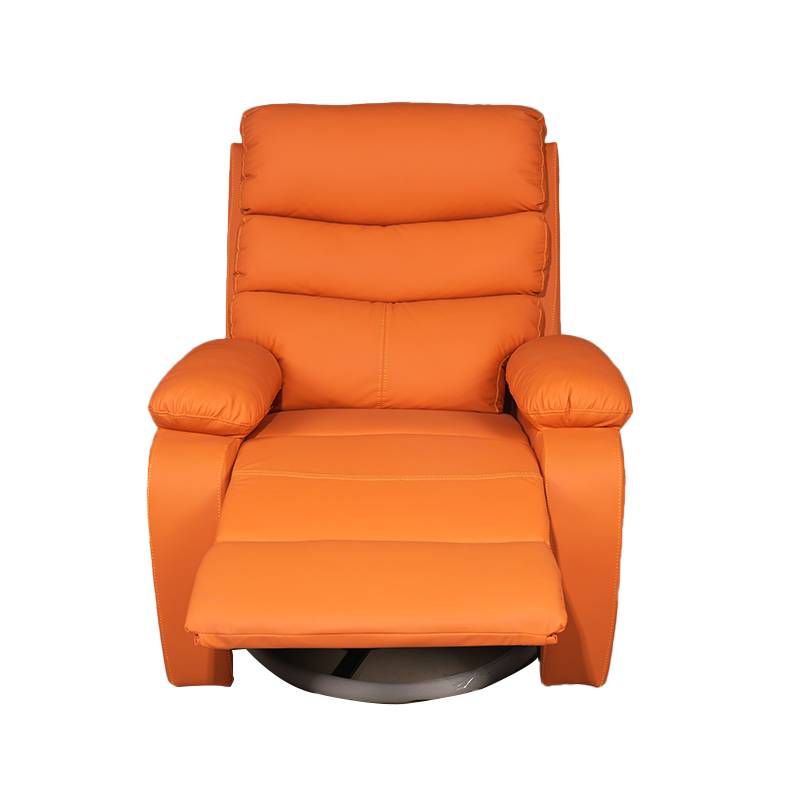
Ignoring Size and Space Requirements
One of the most frequent purchasing errors involves inadequate space planning:
Insufficient Clearance: Many buyers fail to account for the space needed behind the chair when fully reclined. Standard recliners typically require 12-18 inches of clearance, though wall-hugger designs need only 4-6 inches. Measuring your space carefully prevents finding out the chair doesn’t fit after delivery.
Height Mismatches: Choosing a chair that’s too tall or too short for your body results in poor support. Tall users may find their heads unsupported, while shorter users may experience footrests that don’t properly extend.
Width Considerations: Oversized users may find standard chairs cramped or uncomfortable. Conversely, petite users may feel lost in oversized models with wide seats.
Doorway and Hallway Clearance: Buyers sometimes neglect to measure entryways and stairwells. This can result in delivery problems or additional charges for special handling.
Future Space Changes: Consider whether your furniture arrangement might change. Chairs that fit perfectly in one layout may become problematic if you rearrange your room.
Before purchasing, create a simple floor plan showing your intended placement and clearance in all reclined positions. This visualization helps avoid costly mistakes.
Overlooking Key Features
Focusing on appearance while neglecting functionality leads to disappointment:
Ignoring Weight Capacity: Exceeding specified weight limits strains mechanisms and voids warranties. Always verify that the chair can accommodate all potential users.
Dismissing Upholstery Practicality: Beautiful but impractical materials become sources of frustration. Families with pets or children should prioritize durable, stain-resistant materials over delicate fabrics.
Neglecting Mechanism Suitability: Choosing the wrong type of mechanism for your needs—such as a manual chair for someone with mobility limitations—results in difficult operation and potential safety issues.
Forgoing Essential Comfort Features: Adjustable lumbar support, proper headrest positioning, and adequate cushioning are essential for comfort, not optional luxuries.
Overlooking Daily Use Requirements: Chairs primarily used for occasional napping have different needs than those used daily for extended periods. Consider your actual usage patterns when selecting features.
Make a prioritized list of essential features before shopping to ensure you don’t get distracted by attractive but unnecessary options.
Choosing Based on Price Alone
Focusing exclusively on lowest price often proves more expensive in the long run:
False Economy: The cheapest option often compromises on materials, construction, or durability. A chair that needs replacement after two years costs more per year than a quality model lasting ten years.
Hidden Costs: Budget models may lack features you later wish you had, leading to additional purchases or dissatisfaction. Conversely, premium features you don’t need represent wasted money.
Warranty Considerations: Cheaper chairs often come with limited or no warranty coverage. Unexpected repair costs can quickly exceed the initial price difference.
Safety Concerns: Extremely inexpensive products may cut corners on safety features or structural integrity, potentially creating hazards.
Resale Value: Quality brands typically retain more value if you later decide to sell or upgrade.
Instead of focusing on price alone, determine your budget and find the best value within that range—considering quality, features, and expected lifespan.
Not Considering Long-Term Comfort and Durability
Prioritizing initial impressions over long-term satisfaction leads to regret:
Testing Shortcomings: Spending only a few seconds testing a chair in a showroom doesn’t reveal comfort issues that emerge after hours of use. Request to sit in demonstration chairs for at least 10-15 minutes in various positions.
Durability Disregard: Attractive materials that don’t hold up to daily use quickly show wear and tear. Research upholstery options for durability in addition to appearance.
Construction Quality: Hidden components like frame construction and mechanism quality determine longevity. Don’t assume all chairs are built similarly.
Usage Evolution: Your needs may change over time—perhaps due to aging, health issues, or lifestyle changes. Consider whether your chosen chair can adapt to changing requirements.
Maintenance Realities: Some beautiful materials require intensive maintenance. Be realistic about the care and upkeep you’re willing to perform.
Take a long-term view when making your purchase decision. A recliner is a significant investment that should provide years of comfort and satisfaction, not just immediate gratification.
Conclusion
Choosing the right adjustable recliner chair requires a clear understanding of comfort, functionality, and long-term value. From ergonomic design and advanced features to material quality and manufacturing standards, every detail plays a role in overall performance. Whether you are looking for an electric adjustable recliner chair with massage functions, a durable option for daily use, or a cost-effective solution for bulk purchasing, making an informed decision is essential.
For businesses and retailers, understanding these considerations helps in selecting products that meet your customers’ needs while representing your brand effectively. A professional adjustable recliner chair manufacturer can provide guidance through this process, offering customization options, technical expertise, and consistent quality that builds customer trust and loyalty.
For individual buyers, taking the time to research and test options ensures your investment delivers the comfort and satisfaction you expect. Consider how you’ll use the chair, what features matter most to your comfort, and your long-term needs. Remember that the cheapest option isn’t necessarily the best value—a well-made recliner that lasts for years provides better value than one that needs frequent replacement.
As a professional adjustable recliner chair manufacturer, we understand that focusing on quality control, customization capabilities, and user-centered design helps meet diverse market demands while ensuring consistent product excellence. By aligning product features with user needs and current market trends, businesses and buyers alike can achieve the perfect balance between comfort, durability, and value.
Whether you’re outfitting a home theater, furnishing a living room, or creating a comfortable workspace, the right adjustable recliner chair transforms your environment and enhances your daily life. Invest wisely, prioritize quality over shortcuts, and enjoy years of comfortable relaxation and support from your well-chosen recliner.
FAQ
Q: What’s the difference between manual and power recliners?
A: Manual recliners use levers or push-back mechanisms and require physical effort, while power recliners use motors for effortless, infinite positioning adjustments. Power models often include advanced features like massage and memory settings but need electrical outlets.
Q: What reclining angle is best for back pain?
A: Studies recommend angles between 120-135 degrees, which reduces lumbar disc pressure by up to 50%. Zero gravity position (legs elevated above heart level) provides maximum spinal decompression and improved circulation.
Q: How much space do I need for a recliner chair?
A: Standard models require 12-18 inches of clearance behind when fully reclined. Wall-hugger designs need only 4-6 inches, making them ideal for small spaces. Always measure doorways and hallways for delivery access.
Q: What features should I look for in a recliner for elderly users?
A: Prioritize power lift assistance for easy standing, smooth motors with simple controls, and therapeutic features like heat and massage. Look for reinforced frames, wide armrests, and models with adequate weight capacity for safe operation.
Q: How do I maintain my recliner chair for long-term use?
A: Regularly clean upholstery (leather needs conditioning every 6-12 months), lubricate manual mechanisms annually, inspect power cords for damage, and tighten loose bolts periodically. Avoid overloading the chair and keep it away from direct heat sources.