Choosing a custom furniture manufacturer is not only about finding someone who can produce sofas, beds, mattresses, or tables. For hotels, villas, offices, restaurants, apartments, and commercial spaces, the manufacturer becomes part of the project delivery system. The right partner helps you control design consistency, material performance, production quality, packaging, delivery, and long-term replacement needs.
For B2B buyers, this decision can affect the entire project. A beautiful design can fail if the structure is weak. A good sample can become a problem if mass production is inconsistent. A low-risk supplier should understand customization, project timelines, commercial-use durability, export packaging, and quality documentation.
This guide explains how to evaluate a custom furniture manufacturer from a practical procurement perspective. It is written for hotel developers, interior designers, project contractors, furniture distributors, villa project buyers, office space planners, and commercial furniture sourcing teams.
Table of Contents
Why a Custom Furniture Manufacturer Matters in Project-Based Furniture Sourcing
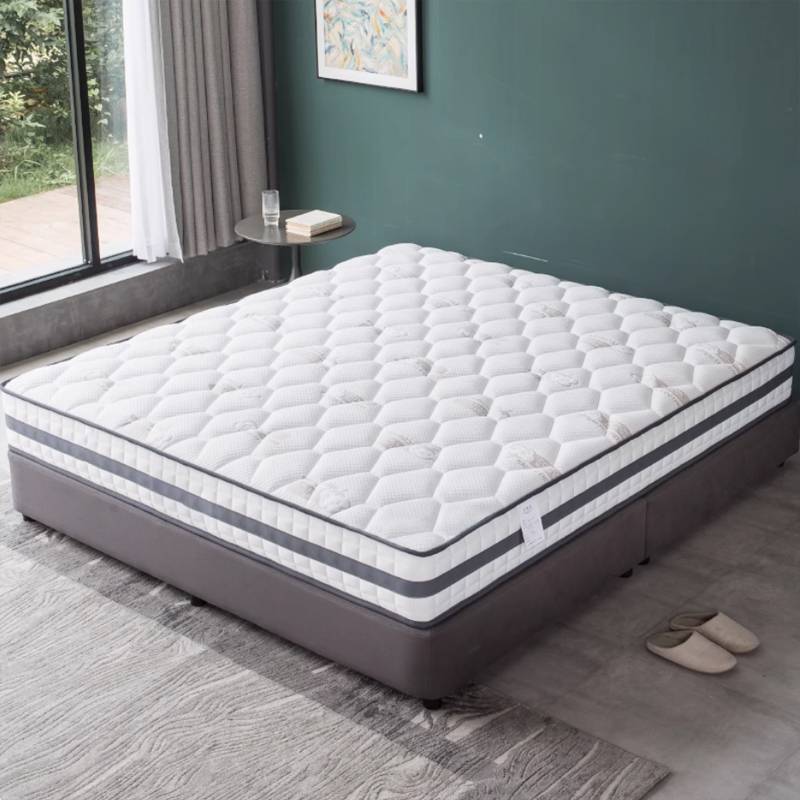
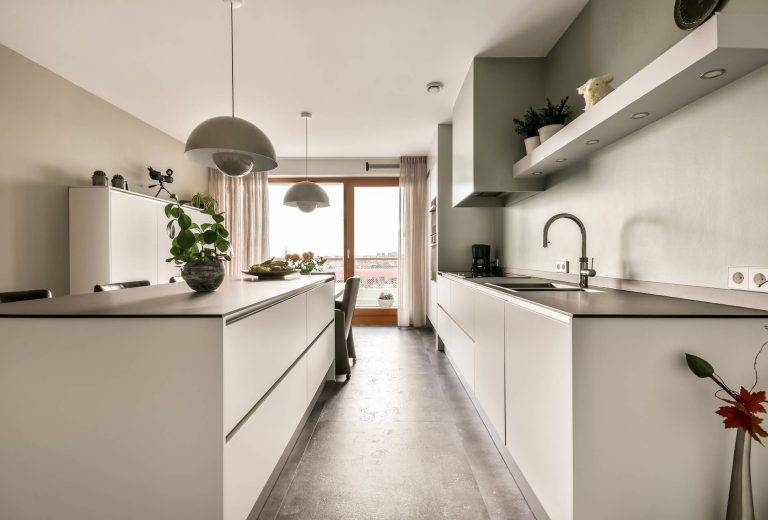
In project-based furniture sourcing, buyers rarely need only one product. A hotel may require beds, headboards, sofas, mattresses, lounge chairs, desks, and storage units. A villa project may need bedroom furniture, living room seating, dining furniture, and outdoor pieces. An office or restaurant project may require seating comfort, space efficiency, and strong durability.
A custom furniture manufacturer helps connect all these needs into one coordinated solution. Instead of purchasing separate products from unrelated sources, buyers can develop a consistent furniture system around the project’s design, budget control, delivery schedule, and usage requirements.
For buyers sourcing multiple categories, the Minghuang product center is a useful starting point because it covers sofas, beds, mattresses, and project furniture solutions under one manufacturing framework.
The biggest value of customization is control. You can control size, color, material, upholstery, structure, comfort level, packaging method, and project coordination. This is especially important when the furniture must match interior drawings, room layouts, brand standards, or commercial operation needs.
Start With the Project Type Before Choosing Products
A common mistake is to start by asking, “Which sofa is best?” or “Which bed design is most popular?” A better first question is, “What type of project is this furniture serving?”
Different spaces require different furniture logic.
Hotel furniture must support repeated guest use, housekeeping, room consistency, and long-term replacement planning. Villa furniture often needs a more personalized design language, higher visual warmth, and stronger lifestyle appeal. Office furniture should support comfort, posture, durability, and space efficiency. Restaurant furniture must balance atmosphere, cleaning convenience, seating turnover, and traffic flow.
Before discussing product details, prepare a simple project profile:
| Project Type | Key Furniture Priorities | Customization Focus |
|---|---|---|
| Hotel rooms | Comfort, durability, room consistency | Beds, headboards, sofas, mattresses |
| Villas | Lifestyle design, material texture, comfort | Sofas, beds, dining furniture, storage |
| Offices | Ergonomics, efficiency, long-term use | Seating, desks, storage, lounge areas |
| Restaurants | Easy cleaning, strong frames, atmosphere | Chairs, booths, tables, upholstery |
| Apartments | Space saving, storage, cost control | Beds, compact sofas, cabinets |
| Resorts | Relaxation, moisture resistance, visual identity | Lounge furniture, outdoor-friendly materials |
Once the project type is clear, the custom furniture manufacturer can recommend better structures, materials, finishes, and production solutions.
Evaluate Manufacturing Capability, Not Just Product Photos
Product photos are useful, but they do not prove manufacturing strength. A professional custom furniture manufacturer should be evaluated by production capability, quality systems, customization flexibility, and project experience.
Important questions include:
Can the supplier develop furniture based on drawings or samples?
Can they adjust dimensions for different room types?
Can they produce sofas, beds, mattresses, and related furniture in a coordinated style?
Can they support OEM or ODM projects?
Can they handle bulk production with stable quality?
Can they provide suitable export packaging?
Can they support after-sales communication if replacement parts are needed?
Minghuang’s custom furniture services include project customization, OEM/ODM support, CAD-related support, logistics assistance, quality control, and after-sales service. These capabilities are important for buyers who need more than simple product supply.
A good manufacturer should not only say “yes” to customization. They should help you understand what is practical, what needs engineering adjustment, and what may create risk during mass production.
Material Selection Should Match Commercial Use
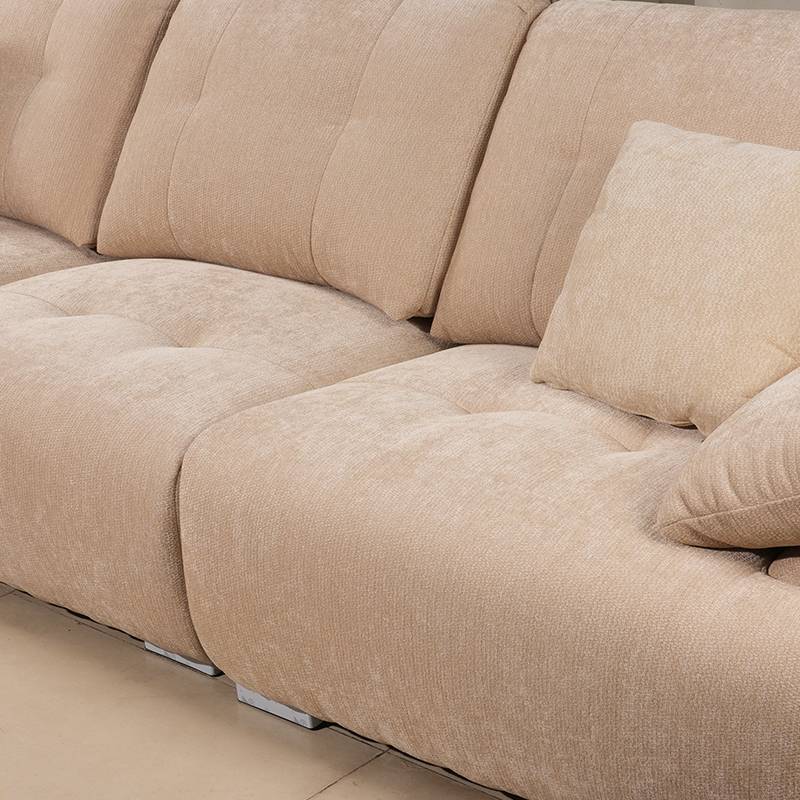
Furniture for commercial spaces must withstand more pressure than ordinary household furniture. A hotel sofa may be used by hundreds of guests. A restaurant chair may be moved many times per day. A bed frame may face repeated load, cleaning movement, and long-term guest use.
That is why material selection should be based on use intensity.
For sofas and lounge chairs, buyers should check frame strength, foam density, fabric durability, stitching quality, cushion recovery, and cleaning compatibility. For beds and headboards, buyers should focus on structural stability, joint strength, upholstery finish, edge protection, and mattress compatibility. For wood-based furniture, responsible sourcing and finish stability are also important.
Industry references such as BIFMA furniture standards can help buyers understand why safety, durability, and performance testing matter in commercial furniture. For wood-related furniture, FSC responsible forest management is also widely used as a reference when buyers want to consider more responsible material sourcing.
A reliable custom furniture manufacturer should be able to explain why a certain material is suitable for a specific project instead of simply offering the most visually attractive option.
Custom Sofas: More Than Shape and Fabric
Sofas are one of the most visible furniture items in hotels, villas, offices, and commercial lounges. They influence comfort, atmosphere, and the way people use the space.
When sourcing custom sofas, buyers should consider more than color and shape. A sofa needs the right seat depth, back angle, cushion support, frame structure, fabric performance, and size proportion. A sofa that looks elegant but feels uncomfortable will not support guest satisfaction. A sofa that feels soft at first but loses shape quickly will create replacement pressure.
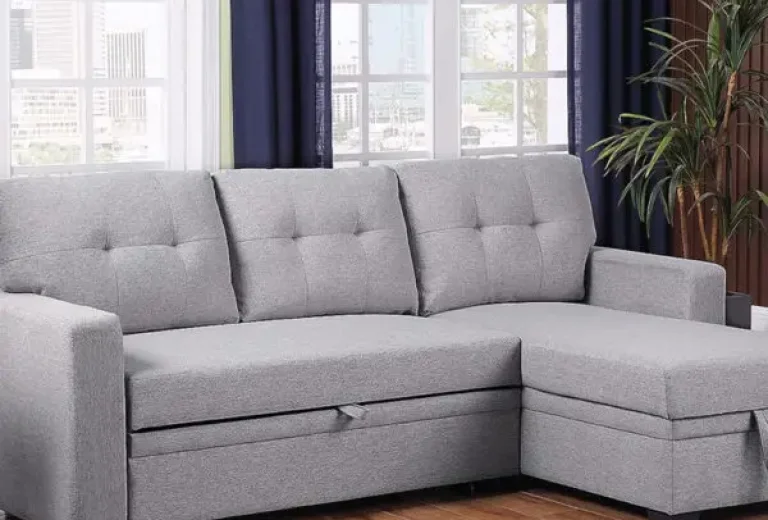
For hotel rooms, compact sofas may help improve space efficiency. For villa living rooms, larger sectionals may create a more relaxed lifestyle feeling. For offices, lounge sofas should support short meetings, waiting areas, and informal conversations. For restaurants or cafes, upholstery should be selected with cleaning and stain resistance in mind.
The sofas and sectionals category can be used as an internal reference for buyers who need customized seating solutions for different room types and project styles.
Custom Beds and Mattresses: The Center of Comfort
For hotels, serviced apartments, villas, and accommodation projects, the bed is usually the most important furniture element. Even if the room design is attractive, poor sleep comfort can weaken the entire guest experience.
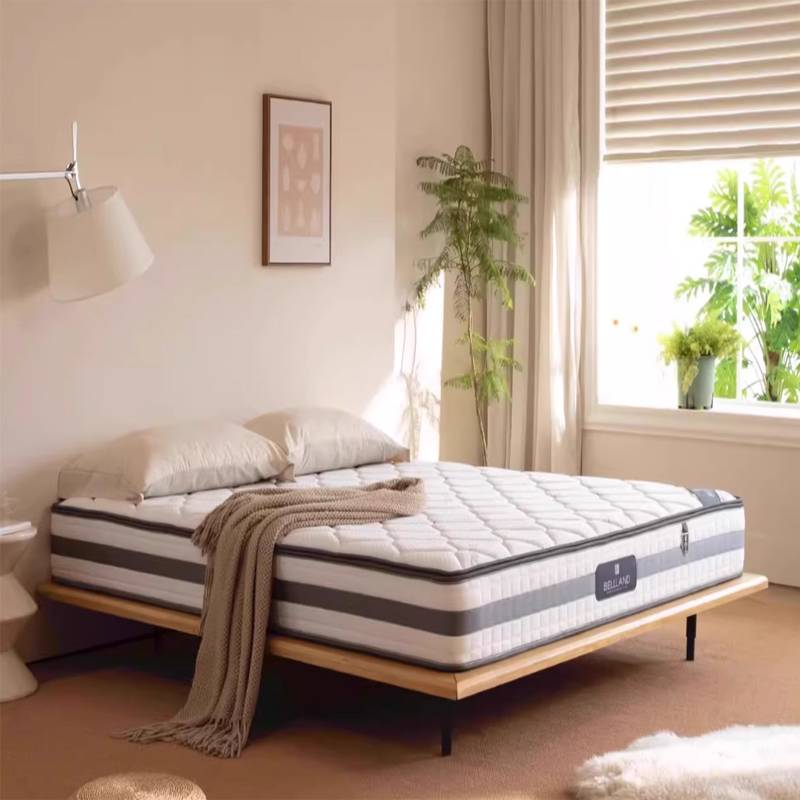
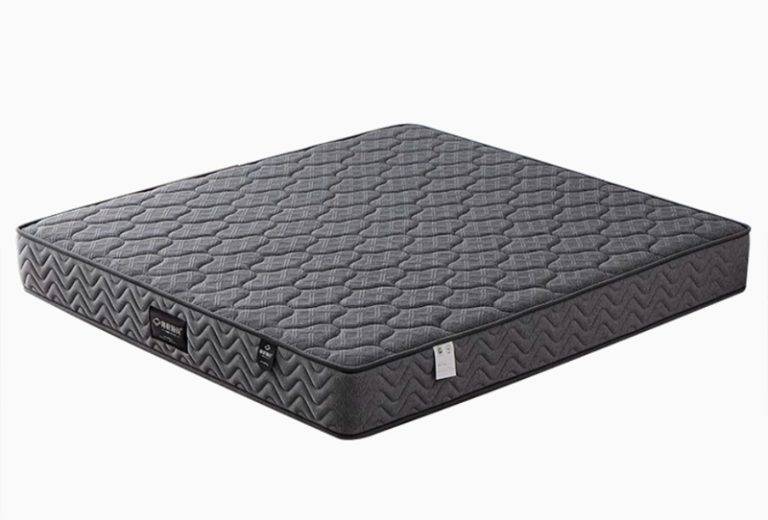
A custom bed solution should combine the bed frame, headboard, mattress, upholstery, and room layout. The frame needs stability. The headboard needs both visual value and practical comfort. The mattress needs support, breathability, edge stability, and long-term performance.
Buyers should not treat beds and mattresses as separate unrelated products. A hotel bed system works best when the bed frame, headboard height, mattress thickness, bedside furniture, and room design are planned together.
For this reason, project buyers can review both beds and headboards and mattress solutions when planning a complete room package.
OEM and ODM Furniture Manufacturing: Which One Fits Your Project?
Many B2B buyers use the terms OEM and ODM when looking for a custom furniture manufacturer, but the project requirements are different.
OEM furniture manufacturing is usually suitable when the buyer already has clear drawings, specifications, dimensions, materials, or design references. The manufacturer’s role is to produce according to defined requirements while controlling quality, consistency, and delivery.
ODM furniture manufacturing is more suitable when the buyer has a concept or market direction but needs more support in design development, structure adjustment, material recommendation, and production feasibility.
For hotel, villa, and commercial furniture projects, both models can be useful. A designer may provide the visual concept, while the manufacturer helps improve structure and production details. A distributor may need an ODM furniture line for a target market. A project contractor may need OEM production based on approved interior drawings.
The best manufacturer should be able to support both product execution and practical engineering feedback.
Quality Control Is the Real Difference Between Suppliers
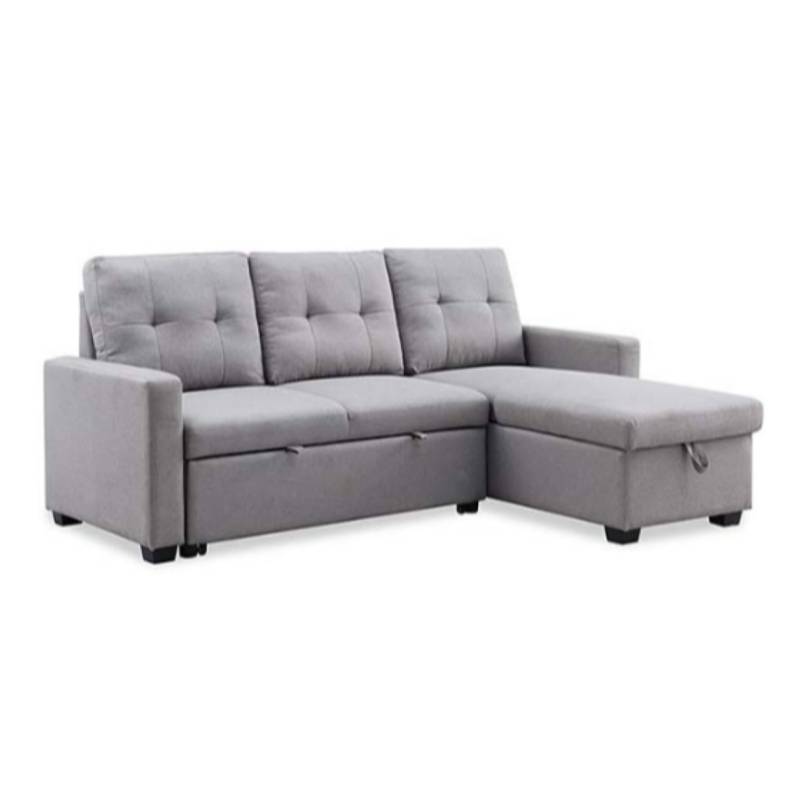
In custom furniture sourcing, quality control is often more important than the first sample. A sample can be carefully made by a small team, but a real project may require many pieces across different batches. The challenge is consistency.
Quality control should cover the full process:
Raw material inspection
Frame and structure checks
Foam and upholstery verification
Dimension measurement
Stitching and finishing review
Hardware testing
Color and surface consistency
Packaging inspection
Pre-shipment checks
After-sales documentation
The goal is not only to avoid defects. The goal is to make sure every item matches the approved standard as closely as possible.
Minghuang states that it applies multiple inspection processes and supports internationally recognized certification-related requirements through its company information and FAQ content. For B2B buyers, this kind of quality framework helps reduce risk before products arrive at the project site.
Quality systems such as ISO 9001 are often used as a reference for process control, while ISO 14001 is commonly associated with environmental management systems. These references help buyers ask better questions during supplier evaluation.
Packaging and Logistics Should Be Discussed Early
Furniture quality can be damaged by poor packaging and logistics. This is especially true for bulk orders, export projects, hotel openings, villa developments, and multi-site commercial deliveries.
A strong custom furniture manufacturer should think about packaging before production is finished. Sofas, beds, mattresses, headboards, and wooden furniture may require different protection methods. Sharp corners, upholstered surfaces, glass elements, metal legs, and large panels all need proper packaging design.
Buyers should ask:
How will each item be protected during shipping?
Can the packaging support export transport?
Are product labels clear for installation teams?
Can room-by-room packaging be arranged?
Are replacement parts or accessories packed separately?
Can the supplier coordinate delivery schedules for project needs?
Good packaging is not just a warehouse detail. It protects the project timeline and reduces unnecessary replacement costs.
Sustainability and Responsible Sourcing Are Becoming Buyer Priorities
More hospitality and commercial projects are paying attention to sustainability. Buyers want furniture that is durable, responsibly sourced, and suitable for long-term use. Sustainability is not only about using one eco-friendly material. It also includes product lifespan, repairability, responsible wood sourcing, efficient packaging, and lower waste from premature replacement.
For projects with green building goals, the LEED rating system is often reviewed as part of broader sustainability planning. In furniture procurement, responsible sourcing and long-lasting construction can support a more sustainable project strategy.
A custom furniture manufacturer can help by recommending suitable materials, improving structural durability, reducing unnecessary over-design, and planning packaging more efficiently.
The best time to discuss sustainability is at the beginning of the project, not after the sample is approved.
How to Compare Custom Furniture Manufacturers
When comparing suppliers, buyers should avoid focusing only on appearance or quotation format. A stronger evaluation should include design support, production capacity, quality control, project experience, communication speed, export experience, and after-sales capability.
Here is a practical comparison checklist:
| Evaluation Area | What to Check | Why It Matters |
| Product scope | Sofas, beds, mattresses, project furniture | Reduces multi-supplier complexity |
| Customization | Size, fabric, material, structure, finish | Supports project-specific design |
| Manufacturing | Factory capacity and process control | Improves delivery reliability |
| Quality control | Inspection steps and standards | Reduces mass production risk |
| Project experience | Hotels, villas, offices, commercial spaces | Shows practical application knowledge |
| Logistics | Packaging and export support | Protects furniture during delivery |
| Communication | Fast response and clear documentation | Reduces misunderstandings |
| After-sales | Replacement and technical support | Supports long-term operation |
Buyers can also review Minghuang project cases to understand how the company serves hotel rooms, villa spaces, office environments, and commercial furniture projects.
Common Mistakes to Avoid When Working With a Custom Furniture Manufacturer
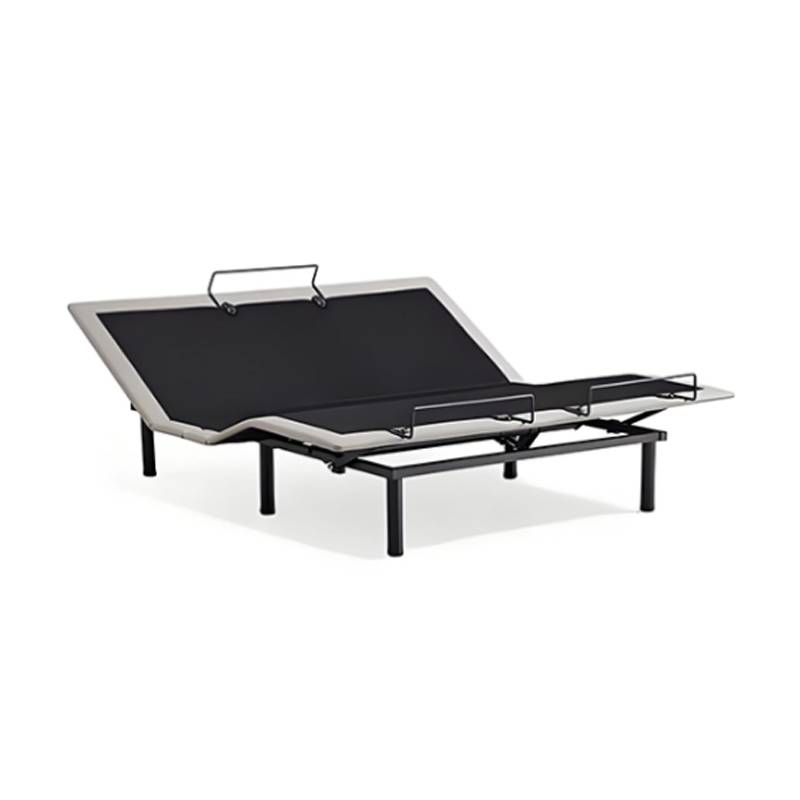
One common mistake is approving a design without confirming real dimensions. A sofa that looks perfect in a rendering may block movement in the actual room. A bed that looks luxurious may be too large for housekeeping efficiency.
Another mistake is choosing materials only by appearance. Some fabrics look premium but may not be suitable for heavy commercial use. Some finishes look attractive but may require more maintenance than the project can support.
A third mistake is delaying sample confirmation. In project furniture sourcing, samples help clarify structure, color, fabric, comfort, and production details. Late sample approval can create pressure on the production schedule.
Other common mistakes include:
Using too many unrelated furniture styles in one project
Ignoring cleaning and maintenance needs
Not checking packaging before shipping
Failing to confirm replacement part options
Choosing a supplier without project furniture experience
Not discussing export requirements early
Ignoring quality consistency across large orders
A professional custom furniture manufacturer should help buyers identify these risks before production begins.
When Should You Contact a Custom Furniture Manufacturer?
The earlier, the better. Many buyers wait until the design is almost finished before contacting the manufacturer. This can cause problems if the design is difficult to produce, the materials are not practical, or the project timeline is too tight.
You should contact a manufacturer when you already have one or more of the following:
Room layout drawings
Reference images
Target product categories
Project type and quantity range
Material preference
Design concept
Delivery schedule
Hotel or commercial space positioning
Customization requirements
Even if the design is not final, early communication can help improve feasibility. You can use the Minghuang contact page to discuss project needs, product categories, customization direction, and supplier cooperation.
Conclusion
A custom furniture manufacturer plays a major role in the success of hotel, villa, office, restaurant, apartment, and commercial furniture projects. The right partner does more than produce furniture. They help turn design ideas into practical, durable, scalable, and project-ready products.
For B2B buyers, the best supplier should offer product variety, customization capability, material guidance, quality control, packaging support, project experience, and after-sales communication. Whether you need custom sofas, beds, mattresses, or full commercial furniture solutions, working with an experienced manufacturer can reduce sourcing risk and improve project delivery.
Minghuang provides customized furniture solutions for hotels, villas, offices, restaurants, outdoor spaces, and commercial projects. To start planning your next furniture project, explore Minghuang custom furniture services or contact the team through the project inquiry page.