Table of Contents
The keyword adjustable bed frame benefits attracts buyers who already understand that a bed base can do more than hold a mattress. They want to know whether an adjustable frame is worth the upgrade, which features matter, and how to choose a frame that works with the right mattress.
This guide is written for importers, wholesalers, furniture retailers, mattress distributors, hotel buyers, and project buyers. It explains adjustable bed frame benefits from a B2B sourcing perspective, with attention to product design, compatibility, packaging, claims, and long-term service.
Why Adjustable Bed Frame Benefits Are Now a B2B Topic
The topic is also valuable because it connects to several buyer groups at once. Mattress retailers can use adjustable bases to increase bundle value. Furniture importers can use them to create a more complete bedroom range. Project buyers can use them to differentiate serviced apartments or premium rooms. This gives the keyword commercial depth. It is not only a lifestyle question; it is a product category question with real sourcing and margin implications.
Search interest around adjustable bed frame benefits has grown because buyers are no longer viewing the bed base as a hidden support product. The frame has become part of the comfort story, the bedroom upgrade story, and the product bundle strategy for mattress retailers, furniture wholesalers, hotel projects, and senior-friendly home programs.
Most consumer articles focus on lifestyle benefits such as reading in bed, raising the head, or finding a more comfortable position. B2B buyers need to go deeper. You must evaluate motors, frame structure, mattress compatibility, remote controls, packaging, installation, warranty language, and the kind of customer who will actually pay for adjustable features.
A strong adjustable bed frame program can help a furniture business move beyond basic bedroom furniture. It can support higher order value, better mattress bundles, and more targeted product lines for modern apartments, hotels, wellness-focused retailers, and comfort-driven home buyers.
What Customers Expect From an Adjustable Base
Expectation management is especially important because adjustable features are easy to oversell. A customer may imagine a luxury experience, but the actual product depends on motor strength, mattress compatibility, and frame stability. B2B buyers should make sure product photos, showroom demonstrations, and online descriptions show realistic use. Clear expectations reduce returns and help the product feel more trustworthy.
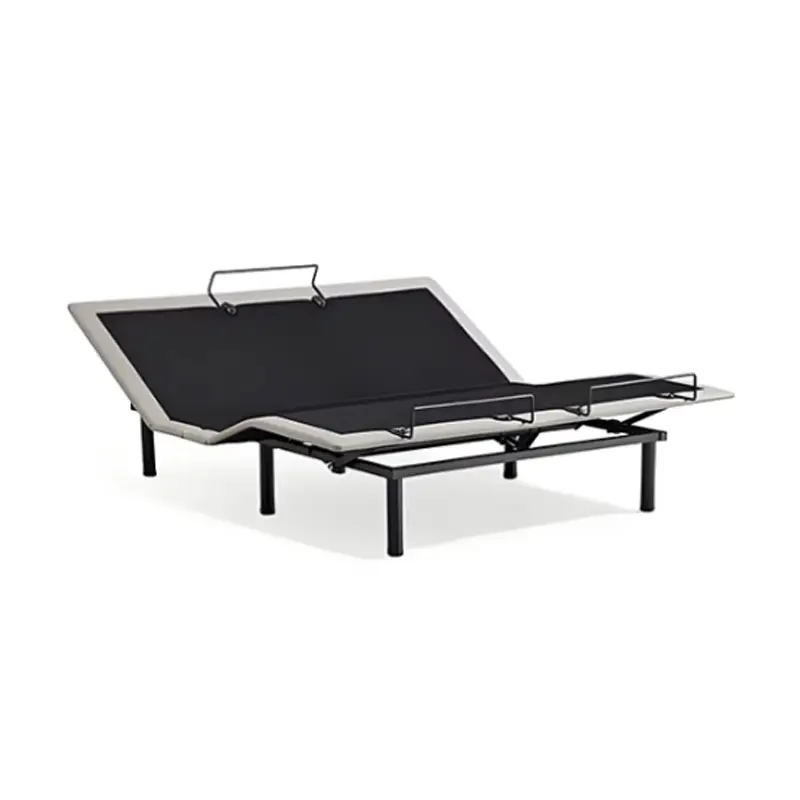
Customers usually expect an adjustable bed frame to do three things: raise the head, raise the foot, and make the bed feel more personalized. Some products also include preset positions, wireless controls, massage functions, USB charging, under-bed lighting, or app control. Not every market needs every feature, but buyers should understand which features create real value.
The most important expectation is smooth movement. If the frame feels noisy, unstable, or difficult to control, the customer experience declines quickly. For B2B buyers, motor quality, steel structure, hinge design, remote reliability, and mattress compatibility are more important than adding too many decorative functions.
The best product strategy starts with the target user. A young apartment buyer may value convenience and modern features. A hotel buyer may value simple operation and durable components. A senior living buyer may care more about stable elevation and safe access. One adjustable bed frame cannot serve every channel equally well unless the specification is carefully planned.
Head and Foot Elevation Benefits Without Medical Overclaiming
This approach is also better for international trade. Claims that are acceptable in one country may create compliance problems in another. Importers and distributors should keep marketing language focused on adjustable comfort unless local legal review approves stronger claims. A manufacturer can support this by providing neutral product descriptions, technical specifications, and user instructions that avoid medical overstatement.
Head and foot elevation are the core adjustable bed frame benefits. Raising the head can make reading, watching TV, or working from bed more comfortable. Raising the foot can help some users find a more relaxed resting position. These are practical comfort benefits that can be described without making unsupported medical claims.
It is important for manufacturers and distributors to avoid promising that a bed frame treats medical conditions. Sleep and health are serious topics. Resources such as MedlinePlus Healthy Sleep and NHLBI information on sleep can be useful external references for the importance of sleep, but product copy should stay focused on comfort, adjustability, support, and usability.
For B2B content, this distinction matters. A professional product page should say the frame helps users adjust their resting position. It should not say the product cures pain, snoring, reflux, or circulation problems unless those claims are supported by appropriate evidence and legal review in the target market.
Mattress Compatibility Is the Real Buying Question
Compatibility should also be tested after repeated adjustment. A mattress may bend properly once in a showroom but show stress after many cycles. Buyers should check whether the cover wrinkles excessively, whether the mattress shifts on the frame, whether the retainer bar holds it in place, and whether the comfort layers recover after the frame returns flat. These details determine whether the bundle feels premium or problematic.
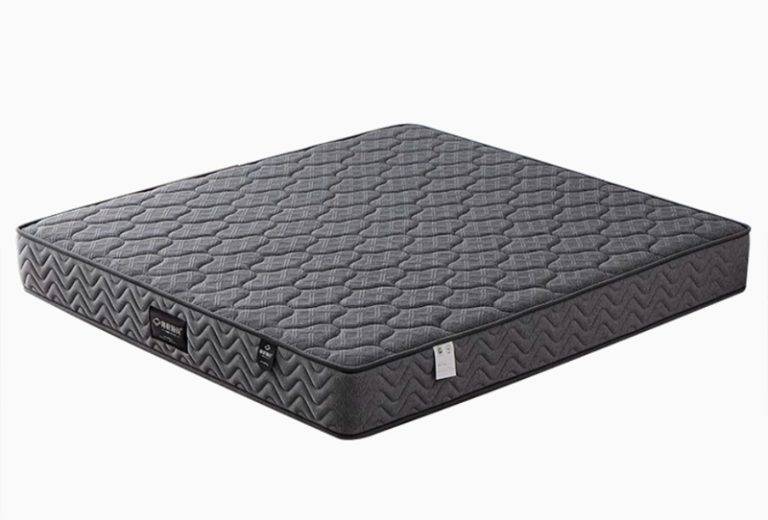
One of the most practical adjustable bed frame benefits is also one of the most easily overlooked: the frame can work well only when paired with a compatible mattress. Foam and many hybrid mattresses can flex with an adjustable base, but construction, thickness, edge design, and warranty terms must be checked.
A mattress that is too rigid may resist bending. A mattress that is too thick may not follow the frame smoothly. A mattress with an incompatible spring system may feel strained when the head or foot section moves. Buyers should test the mattress and frame together before selling them as a bundle.
For a B2B buyer, compatibility should be written into the product file. Include recommended mattress types, maximum mattress thickness, size options, retainer bar requirements, and whether the frame works with split mattresses. This information helps retailers reduce customer confusion and helps project buyers specify the right combination from the beginning.
Motor Quality, Noise, and Long-Term Reliability
Noise is more than a comfort issue. In hotels, shared apartments, and family homes, a noisy frame can create complaints even if the movement function works. Buyers should request video tests or sample testing in a quiet room. They should also ask whether replacement motors and control boxes can be supplied separately. A serviceable product is usually safer for long-term B2B programs than a product that must be replaced completely after one component fails.
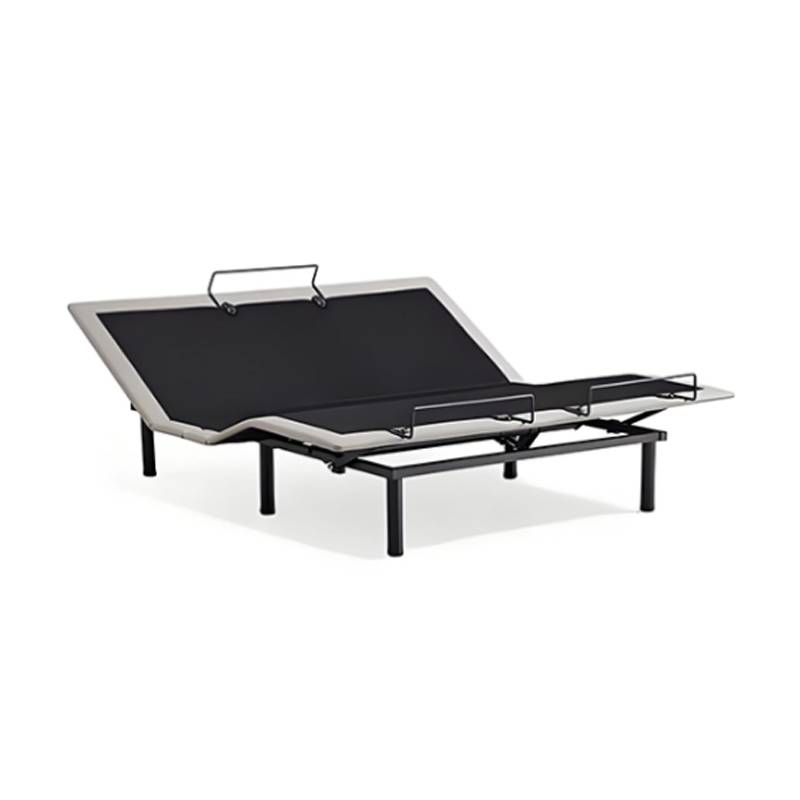
The motor system is the heart of an adjustable bed frame. Customers may notice the upholstery or remote first, but the motor determines whether the product feels dependable. A noisy or uneven motor can make the product feel cheap even if the frame looks good.
B2B buyers should ask about motor type, load capacity, movement speed, noise level, duty cycle, transformer quality, cable routing, and replacement part availability. A product intended for daily use should be tested through repeated adjustment cycles. Sample testing should include movement under load, not only movement with an empty frame.
For hotels, serviced apartments, and senior-friendly home programs, reliability is especially important because after-sales service can be costly. The best adjustable bed frame is not the one with the longest feature list. It is the one that performs consistently for the intended user.
Frame Structure, Size, and Bedroom Layout
Room layout should be part of the sales material. Customers need to understand whether the frame fits inside an existing bed surround, whether the legs can be adjusted, and whether there is enough space for the head section to rise. For project buyers, these questions should be answered before installation begins. A frame that works well in a showroom may still need layout review for hotel rooms or compact apartments.
Adjustable bed frames must fit real bedrooms. Dimensions include the flat length and width, the raised head angle, the raised foot angle, under-bed clearance, leg height, side clearance, and the space needed for cables and power access. These details influence installation and customer satisfaction.
A strong frame structure should support the mattress evenly in flat and raised positions. Steel thickness, welding quality, hinge points, slat or platform design, and leg placement all matter. A weak frame may move acceptably when new but feel unstable over time.
| Specification | Why It Matters | B2B Checkpoint |
|---|---|---|
| Frame size | Matches mattress and room plan | Confirm regional sizing standards |
| Load capacity | Supports users and mattress weight | Test under realistic load |
| Leg height | Affects access and under-bed storage | Offer options if possible |
| Power layout | Impacts installation | Check cable length and plug type |
Remote Controls, Presets, and User Experience
User experience should be tested by people who did not design the product. Give the remote to someone unfamiliar with the frame and see whether they can return it to flat, raise the head, and identify the main presets. If the controls are not intuitive, sales teams and customer service teams will spend more time explaining basic use. Simpler controls can be a competitive advantage when the target user values reliability over novelty.
A remote control can make or break the user experience. Customers should be able to understand the main functions without reading a long manual. Clear icons, responsive buttons, and reliable pairing are more valuable than complicated controls that confuse users.
Preset positions can be useful when they are easy to explain. Common presets include flat, head up, foot up, and zero-gravity-style positions. B2B buyers should avoid overloading the product with features that create support questions but do not improve conversion in the target market.
For retailers, the remote is also a selling tool. Sales teams can demonstrate the product quickly in a showroom. For online channels, product images or short videos should show the frame moving and explain the controls. For project orders, simple controls may reduce guest confusion and service calls.
Packaging, Installation, and After-Sales Planning
Installation planning can also determine whether a product is suitable for a channel. A heavy adjustable base may need two-person delivery, while a split-frame design may be easier to move through apartments. If tools are required, the hardware pack should be organized clearly. For online sales, instruction quality matters almost as much as the frame itself because the customer may assemble it without professional help.
Adjustable bed frames are heavier and more technical than standard bed frames. Packaging must protect motors, hinges, metal corners, cables, remote controls, and legs. A damaged cable or missing hardware bag can stop the product from being used, even if the frame itself is intact.
Buyers should request carton dimensions, gross weight, loading quantity, hardware list, instruction sheet, and installation steps. If the product is sold online, the unboxing and assembly experience matters. If the product is sold to hotels or projects, installation efficiency can affect labor cost.
After-sales planning should include spare remotes, motors, control boxes, power adapters, and clear troubleshooting instructions. This is especially important for importers who need to support customers far from the factory. A manufacturer that can provide parts and documentation can reduce long-term risk.

Safety, Compliance, and Responsible Product Claims
Electrical safety should also be discussed with the supplier. Buyers should confirm plug type, voltage, adapter quality, cable routing, and any required testing or documentation for the destination market. This is especially important for importers selling across multiple regions. A frame designed for one electrical market may need changes before it is suitable for another.
Adjustable bed frames are not hospital beds, but safety thinking is still important. Moving parts, power components, frame gaps, and mattress compatibility should be reviewed carefully. For products used with rails or in care environments, buyers should pay special attention to entrapment risks and local regulations.
The FDA hospital bed system guidance is written for medical bed systems, not ordinary retail frames, but it is a useful reminder that dimensions, gaps, accessories, and mattresses can interact in safety-critical ways. B2B buyers should not ignore these issues when selling to care-related channels.
For ordinary residential furniture, responsible claims are still necessary. Avoid unsupported medical promises. Provide clear weight limits, mattress compatibility guidance, assembly instructions, and warnings about use with incompatible accessories. Strong safety communication protects both the user and the brand.
How to Position Adjustable Bed Frames by Channel
Positioning should be specific rather than generic. A retailer may describe the frame as a comfort upgrade. A mattress distributor may describe it as a compatible base for foam or hybrid mattresses. A hotel buyer may describe it internally as a premium room feature. Each channel needs different product photos, feature emphasis, and support materials. Better positioning helps the same manufacturing capability serve multiple markets.
Furniture retailers
Retailers can position adjustable bed frames as bedroom upgrades that pair with compatible mattresses. The sales story should focus on comfort, convenience, and personalization. Demonstration is important because customers understand the value faster when they see the frame move.
Mattress distributors
Mattress distributors can use adjustable bases to increase bundle value. The key is compatibility. A distributor should not pair every mattress with every adjustable frame. Instead, build tested sets with clear size, thickness, and warranty guidance.
Hotels and serviced apartments
Hospitality buyers may not need every feature. They often need quiet movement, durable controls, simple instructions, and easy maintenance. In this channel, fewer functions with stronger reliability may be better than a long feature list.
Custom Manufacturing Checklist for Bulk Buyers
The checklist should become part of the purchase order process. If motor type, load capacity, carton size, remote design, and mattress compatibility are confirmed only in conversation, misunderstandings can happen. Put them into written specifications and sample approval documents. This protects the buyer, the manufacturer, and the end customer. It also makes future reorders easier because the approved standard is already documented.
Before placing a bulk order, ask the manufacturer for a complete specification. This should include frame dimensions, motor details, load capacity, mattress compatibility, remote control functions, carton size, gross weight, electrical requirements, warranty terms, spare parts, and testing procedures.
- Confirm mattress compatibility before finalizing the frame design.
- Test motor movement with realistic mattress and user load.
- Check packaging protection for motors, hinges, remotes, and cables.
- Request clear instructions and troubleshooting documents.
- Match features to the sales channel instead of adding unnecessary complexity.
- Review safety language and local compliance requirements for the destination market.
MINGHUANG supplies bedroom furniture solutions including Adjustable Bed Frame, bed frame, mattress, and sofa products for B2B buyers. If you are planning a private-label adjustable bed frame program, contact us with your size range, target market, feature requirements, and packaging needs.
Final Takeaway for B2B Buyers
For buyers building a long-term bedroom furniture program, adjustable frames should be evaluated as a system. The frame, mattress, remote, packaging, instructions, spare parts, and product copy all work together. When one part is weak, the whole customer experience suffers. When the system is planned well, adjustable bed frame benefits become more than a list of features; they become a reliable commercial advantage.
The biggest adjustable bed frame benefits are not only comfort features. For B2B buyers, the benefits are product differentiation, higher bundle value, better user personalization, and a stronger bedroom category strategy. But those benefits appear only when the frame is reliable, compatible, well packaged, and clearly explained.
A good adjustable bed frame should move smoothly, support the mattress correctly, fit the room, arrive safely, and be easy for customers to understand. If the product fails in any of those areas, the feature list will not save it.
Final takeaway: treat adjustable bed frame benefits as a sourcing and specification topic, not only a marketing topic. The right manufacturer can help you turn comfort features into a stable, sellable, and repeatable B2B product line.
B2B FAQ for Adjustable Bed Frame Benefits
Are adjustable bed frame benefits the same for every market?
No. The benefits depend on the market and user. A retailer may emphasize comfort, convenience, and bedroom upgrades. A mattress distributor may emphasize compatibility and bundle value. A hotel or serviced-apartment buyer may emphasize quiet operation, easy controls, and maintenance. A senior-friendly product program may emphasize stable elevation and clear instructions. B2B buyers should define the channel before finalizing features.
What is the biggest mistake when sourcing adjustable bed frames?
The biggest mistake is treating the frame as a feature list instead of a system. A product may have many functions but still fail if the motor is noisy, the mattress does not flex correctly, the remote is confusing, or the carton does not protect the components. Buyers should evaluate the frame, mattress, remote, packaging, instructions, and spare parts together. This system view is what separates a reliable product from a risky one.
Should buyers choose more features or better reliability?
For most B2B programs, reliability should come first. Features can help sales, but only if they work smoothly and can be supported after delivery. A simple adjustable bed frame with strong motors, quiet movement, clear controls, and compatible mattresses may generate fewer complaints than a feature-heavy frame with weak components. Buyers should match the feature level to the target price point and service capability.
How can adjustable bed frame content bring better inquiries?
Detailed content helps filter serious buyers from casual visitors. When an article explains compatibility, motors, packaging, safety, and custom manufacturing, the reader understands that the supplier can discuss real specifications. That can lead to better inquiry quality. Instead of asking only for price, buyers are more likely to share size, quantity, destination market, mattress type, and feature requirements.
One final sourcing tip is to review the adjustable bed frame as part of the entire bedroom set. Buyers often focus on the motorized base alone, but the final customer experiences the mattress, frame, headboard, bedding, room layout, power access, delivery process, and after-sales support together. If these pieces are planned separately, the product may create friction even when the frame works correctly. A manufacturer that understands the full bedroom category can help buyers coordinate dimensions, packaging, compatible mattresses, and product messaging so the adjustable base supports a stronger overall furniture program.
This makes the article more useful for procurement teams, sales teams, and product managers reviewing adjustable bed frame benefits before a bulk order.