Table of Contents
Introduction
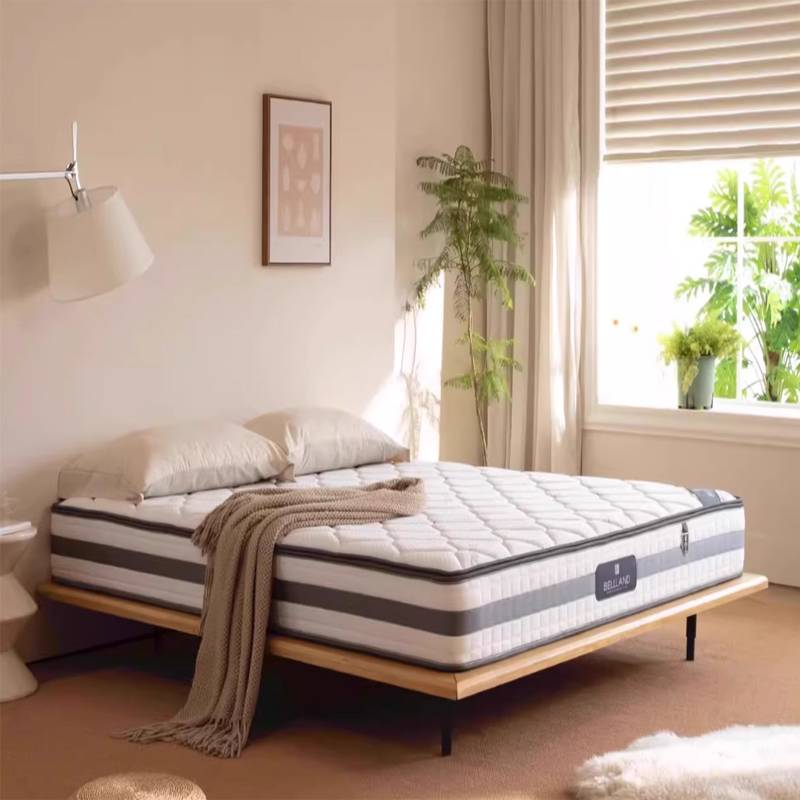
A foam mattress pad is one of the simplest and most cost-effective ways to improve your sleep quality without replacing your entire mattress. Whether your bed feels too firm, uneven, or simply not supportive enough, a foam mattress pad can instantly enhance comfort and extend the life of your mattress.
In this guide, we explore what a foam mattress pad is, how it works, and why it has become a popular sleep upgrade for many households.
What Is a Foam Mattress Pad?
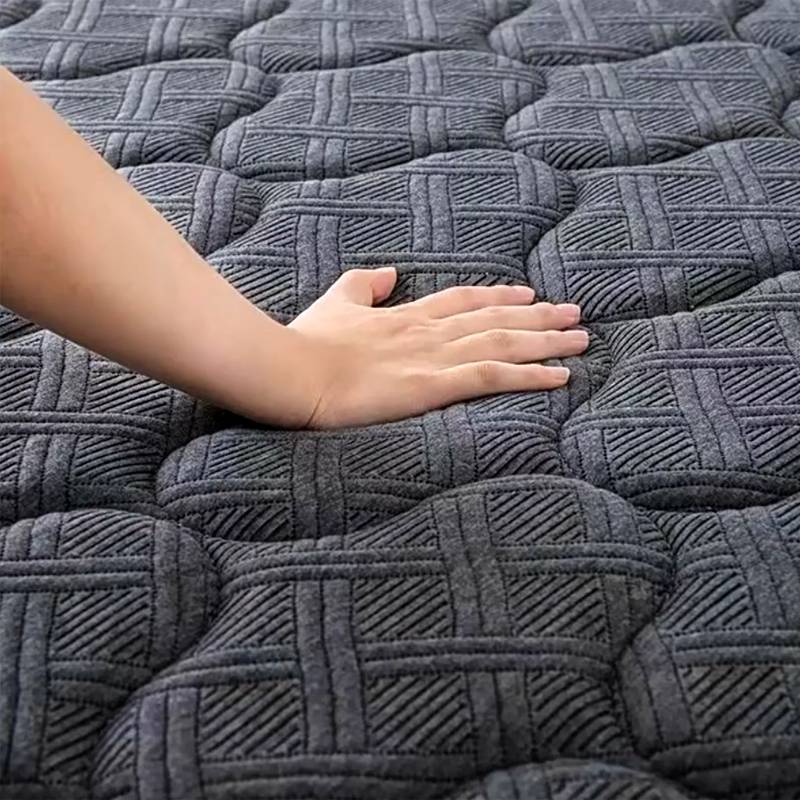
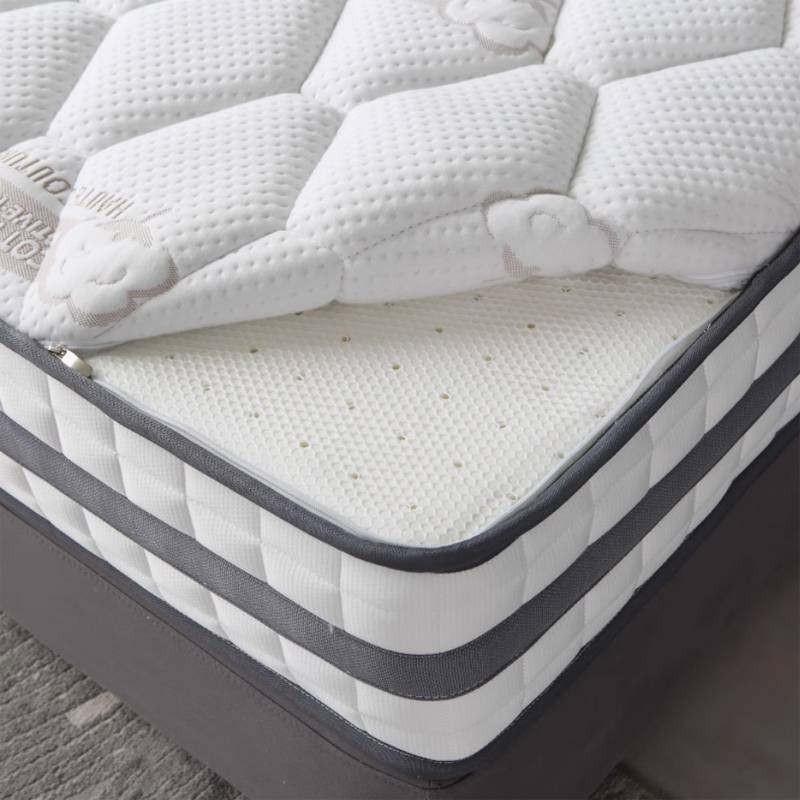
A foam mattress pad is a thin layer of foam placed on top of your existing mattress. Its main purpose is to improve comfort, adjust firmness, and provide additional support.
Unlike a full mattress topper, a foam mattress pad is usually thinner and more lightweight, making it easier to handle and maintain.
Common materials include:
- Memory foam
- Polyurethane foam
- Gel-infused foam
- High-density foam
Key Benefits of a Foam Mattress Pad
A foam bed topper offers several advantages that directly improve sleep quality and overall comfort.
Improved comfort layer
It adds a soft cushioning layer to your bed, making hard or uneven mattresses feel more comfortable.
Better pressure relief
Foam helps distribute body weight evenly, reducing pressure on shoulders, hips, and lower back.
Enhanced sleep support
It improves spinal alignment, helping you maintain a healthier sleeping posture.
Mattress protection
It acts as a protective layer, reducing wear and extending mattress lifespan.
Foam Mattress Pad vs Mattress Topper
| Feature | Foam Mattress Pad | Mattress Topper |
|---|---|---|
| Thickness | Thin (light layer) | Thicker (deep cushioning) |
| Comfort level | Light improvement | Strong comfort upgrade |
| Weight | Lightweight | Heavier |
| Price | More affordable | Higher cost |
| Usage | Minor adjustment | Major comfort change |
A foam mattress pad is ideal for users who want subtle improvements, while toppers are better for major comfort changes.
Who Should Use a Foam Mattress Pad?
A foam mattress pad is suitable for:
- People with slightly firm mattresses
- Budget-conscious users seeking comfort upgrades
- Light sleepers needing pressure relief
- Students or renters with temporary beds
- Anyone looking to extend mattress life
Types of Foam Mattress Pads
Memory foam pad
Contours to the body for pressure relief and support.
Gel foam pad
Includes cooling properties for temperature regulation.
High-density foam pad
Provides firmer support and better durability.
Soft foam pad
Adds gentle cushioning for a plush sleeping feel.
How to Choose the Right Foam Mattress Pad
When selecting a foam mattress pad, consider:
Thickness
Thin pads offer subtle comfort changes, while slightly thicker ones provide more noticeable support.
Density
Higher density foam usually lasts longer and offers better support.
Cooling performance
Gel-infused options help reduce heat buildup during sleep.
Mattress compatibility
Ensure the pad matches your mattress size and firmness level.
Maintenance Tips
To extend the life of your foam mattress pad:
- Rotate it regularly
- Use a protective cover
- Keep it clean and dry
- Avoid folding or compressing for long periods
- Air it out occasionally to maintain freshness
Common Mistakes to Avoid
- Choosing a pad that is too thin for your comfort needs
- Ignoring density and durability
- Not checking mattress size compatibility
- Expecting topper-level support from a thin pad
Conclusion
A foam mattress pad is a simple yet effective solution for improving sleep comfort, reducing pressure points, and extending mattress life. It provides a practical upgrade for anyone looking to enhance their bed without investing in a completely new mattress. With the right choice of material and density, it can significantly improve your overall sleep experience.
FAQ
What is a foam mattress pad used for?
A foam bed topper is used to add a soft comfort layer on top of your existing mattress. It helps improve sleep quality by reducing pressure points, adjusting firmness, and providing better support without replacing the whole mattress.
Is a foam bed topper good for back pain?
Yes, a foam mattress pad can help reduce back pain by improving body alignment and evenly distributing weight. It reduces pressure on the spine, hips, and shoulders, which may help create a more comfortable and supportive sleeping surface.
How thick should foam mattress pad be?
Foam mattress pads are usually thinner than toppers. Most range from 1 to 2 inches. A thinner pad offers slight comfort improvement, while a thicker option provides more noticeable cushioning and pressure relief depending on your needs.
What is the difference between a foam mattress pad and a topper?
A ffoam mattress pad pad is thinner and mainly improves surface comfort, while a mattress topper is thicker and provides deeper cushioning and support. Pads are best for small adjustments, while toppers are for major comfort changes.
How long does a foam mattress pad last?
A good-quality foam mattress pad typically lasts 2 to 4 years depending on usage and material quality. Regular care such as cleaning, rotating, and keeping it dry can help extend its lifespan and maintain comfort performance.
Need Help Choosing the Right Foam Mattress Pad?
If you’re unsure which foam mattress pad best fits your comfort needs, mattress type, or sleeping preferences, our experts are here to help. Contact us today for a personalized consultation, and ensure your sleep setup is comfortable, supportive, and long-lasting. Don’t wait—get in touch now to upgrade your sleep quality!