Table of Contents
Introduction
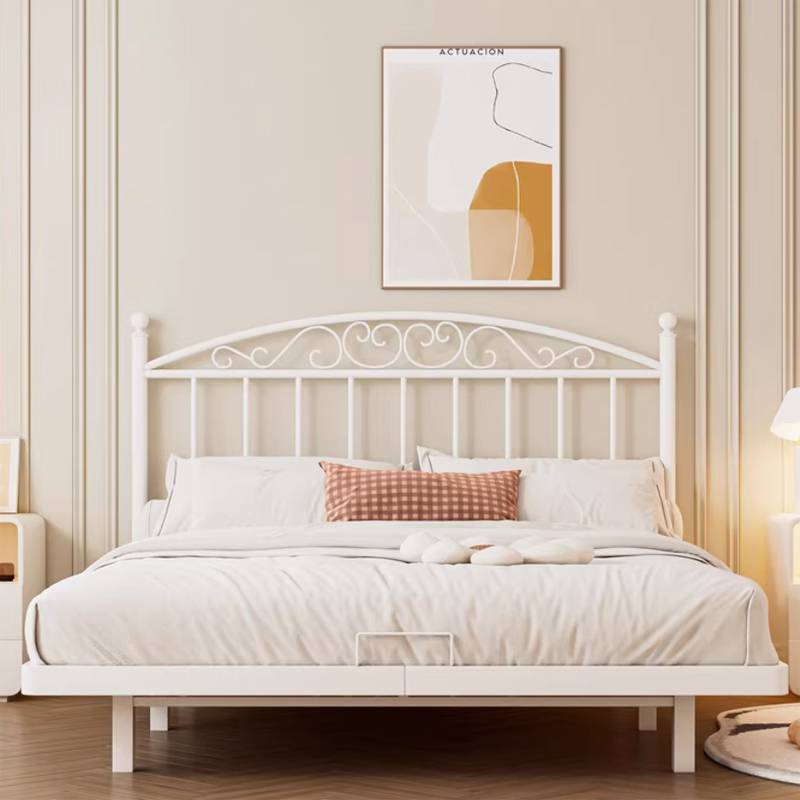
Choosing a fabric bed frame is no longer just a design decision. It has become a practical investment in comfort, sleep quality, and long-term bedroom usability. As interior design trends shift toward softer materials and multifunctional living spaces, fabric-upholstered bed frames are increasingly preferred over traditional wood and metal alternatives.
This guide provides a structured, experience-based breakdown of how fabric bed frames perform in real use, what features actually matter, and how to choose the right model based on durability data, user behavior trends, and material performance insights.
What Is a Fabric Bed Frame and How Does It Differ From Other Bed Frames?
A upholstered bed frame is a bed structure covered with textile upholstery such as linen, velvet, or polyester blends. Unlike exposed wood or metal frames, it focuses on comfort, visual softness, and noise reduction.
The internal structure is typically made of wood or metal, while the outer layer is padded and wrapped in fabric to improve comfort and aesthetics.
Key differences:
- Upholstered bed frame: Soft surface, quiet structure, modern appearance
- Wooden bed frame: Traditional, rigid, heavier visual presence
- Metal bed frame: Durable but often noisier and less visually warm
From furniture usability observations, upholstered frames are increasingly preferred in sleep-focused environments because they reduce motion noise and improve perceived comfort levels.
Why Fabric Bed Frame Is Becoming a Popular Choice in 2026
The demand for upholstered bed frame designs has increased significantly due to lifestyle and housing trends. Based on interior furnishing market reports, soft-upholstered furniture categories have shown consistent growth in residential segments focused on compact and multifunctional spaces.
Key reasons include:
- Shift toward comfort-first bedroom design
- Preference for softer visual aesthetics
- Increased demand for noise-free sleeping environments
- Growth of compact living spaces requiring visually lighter furniture
The combination of functionality and design flexibility makes fabric bed frames a practical solution for modern users.
Key Benefits of Choosing a Fabric Bed Frame
Upholstered bed frames provide more than just visual appeal. Their structural and material advantages directly impact sleep experience.
- Soft touch surface that improves comfort perception
- Reduced noise compared to metal frames
- Wide variety of colors and textures for interior design flexibility
- Better visual warmth compared to rigid materials
- Comfortable headboard support for reading or resting
Consumer feedback analysis across furniture usage studies consistently shows higher satisfaction ratings for upholstered bed frames in terms of perceived comfort and bedroom atmosphere.
Types of Fabric Bed Frame Designs Available in the Market
| Type | Description | Best Use Case |
|---|---|---|
| Platform fabric bed frame | Low-profile structure with flat support base | Minimalist bedrooms |
| Tufted fabric bed frame | Decorative buttoned upholstery design | Stylish interior setups |
| Storage fabric bed frame | Built-in drawers or lift-up storage | Small living spaces |
| Minimalist fabric bed frame | Simple clean-lined design | Modern apartments |
| Velvet luxury fabric bed frame | High-end soft velvet upholstery | Premium bedroom setups |
Each design serves a different functional and aesthetic purpose, so selection should be based on both space and usage habits.
Important Features to Consider Before Buying
Not all upholstered bed frames are built the same. Internal structure quality is more important than surface appearance.
Key evaluation factors:
- Frame structure: Solid wood or reinforced metal provides better durability
- Fabric quality: High-density fabrics resist wear and fading better
- Headboard support: Important for comfort during sitting or reading
- Weight capacity: Indicates long-term structural stability
- Fabric protection: Stain-resistant coatings improve maintenance efficiency
Product durability data from furniture testing labs shows that internal frame strength accounts for more than 60 percent of long-term performance stability in upholstered beds.
Who Should Buy a Fabric Bed Frame?
Upholstered bed frames are not limited to one type of user. They are suitable for:
- Users prioritizing sleep comfort
- People sensitive to noise during sleep
- Apartment or compact space residents
- Users focused on modern interior design
- Individuals wanting softer bedroom aesthetics
Their adaptability makes them suitable for both functional and design-driven environments.
Common Problems and How to Solve Them
Like any upholstered furniture, upholstered bed frames may present some issues over time:
- Fabric staining: Use stain-resistant materials or spot-clean quickly
- Dust accumulation: Regular vacuuming helps maintain cleanliness
- Frame noise: Tightening internal joints usually resolves the issue
- Fabric wear: Rotating usage pressure areas can extend lifespan
Most issues are maintenance-related rather than structural, especially in mid to high-quality builds.
How to Clean and Maintain a Fabric Bed Frame
Proper maintenance significantly extends product lifespan.
Recommended practices:
- Vacuum fabric surfaces weekly to prevent dust buildup
- Use mild fabric cleaners for spot stains
- Avoid excessive moisture exposure
- Check frame joints periodically for stability
- Use protective covers if needed for long-term preservation
Consistent maintenance can extend usable life by several years based on furniture durability studies.
Fabric Bed Frame Lifespan and Durability Expectations
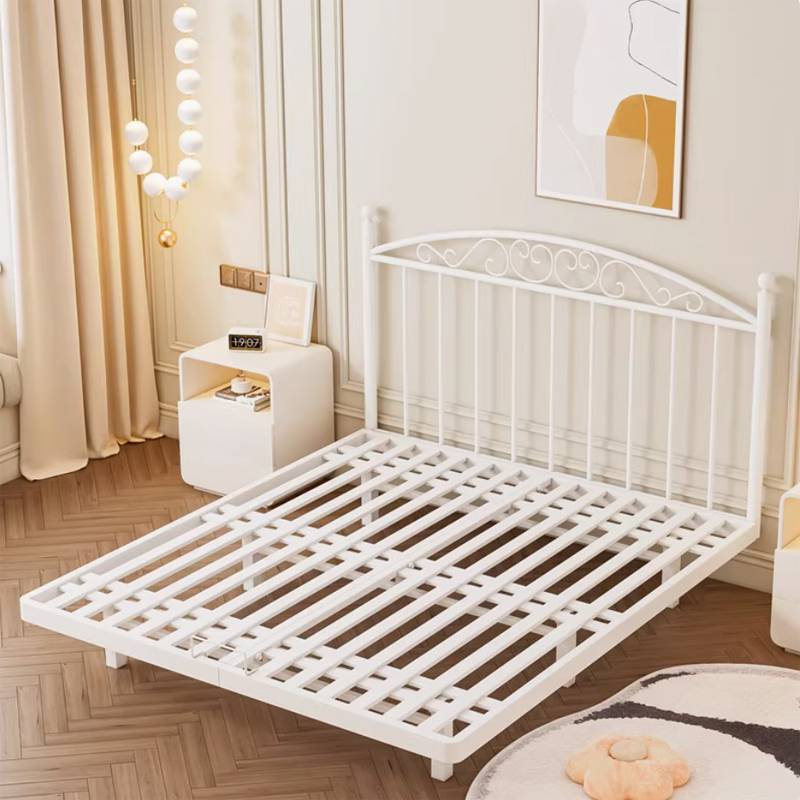
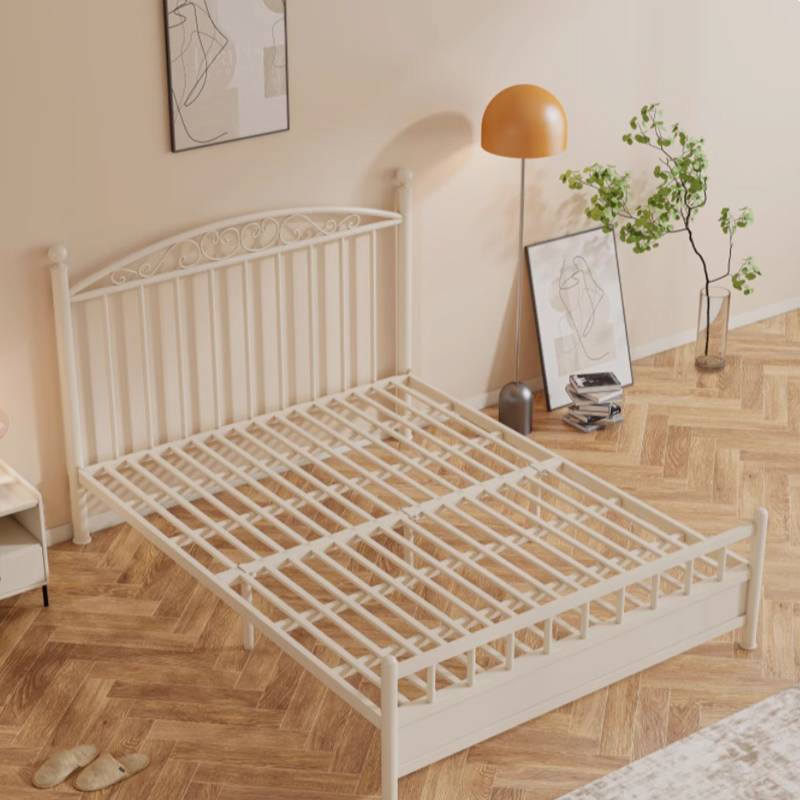
A well-constructed upholstered bed frame typically lasts 7 to 12 years depending on usage intensity, material quality, and maintenance habits.
Key factors affecting lifespan:
- Internal frame material quality
- Fabric density and abrasion resistance
- Frequency of use and load distribution
- Maintenance consistency
Higher-end models with reinforced frames and premium upholstery materials tend to maintain structural integrity significantly longer.
Conclusion
A upholstered bed frame is a practical and stylish choice that combines comfort, durability, and modern design, making it suitable for a wide range of bedroom setups. When selecting the right model, focusing on frame strength, fabric quality, and long-term usability is more important than appearance alone. A well-chosen upholstered bed frame not only enhances bedroom aesthetics but also improves sleep comfort and overall living experience over time.
FAQ
What is a fabric bed frame?
A fabric bed frame is a bed structure covered with upholstered fabric, offering a soft, modern, and comfortable bedroom design.
Are upholstered bed frames durable?
Yes, they are durable when built with strong internal frames such as wood or metal and high-quality upholstery materials.
How do you clean a upholstered bed frame?
You can clean it using a vacuum, soft cloth, or mild fabric cleaner to remove dust and light stains regularly.
Is a fabric bed frame good for small bedrooms?
Yes, it is ideal for small bedrooms because it creates a softer visual space and often includes space-saving designs.
Do fabric bed frames make noise?
No, they are generally quieter than metal bed frames due to their padded and upholstered structure.
Need Help Choosing the Right Fabric Bed Frame?
If you’re unsure which upholstered bed frame best matches your bedroom space, comfort needs, and design preferences, our experts are here to help. Contact us today for a personalized recommendation and find the ideal solution for better sleep comfort and modern interior style. Don’t wait to upgrade your bedroom—get in touch now and choose the perfect fabric bed frame for your home!