Table of Contents
Introduction
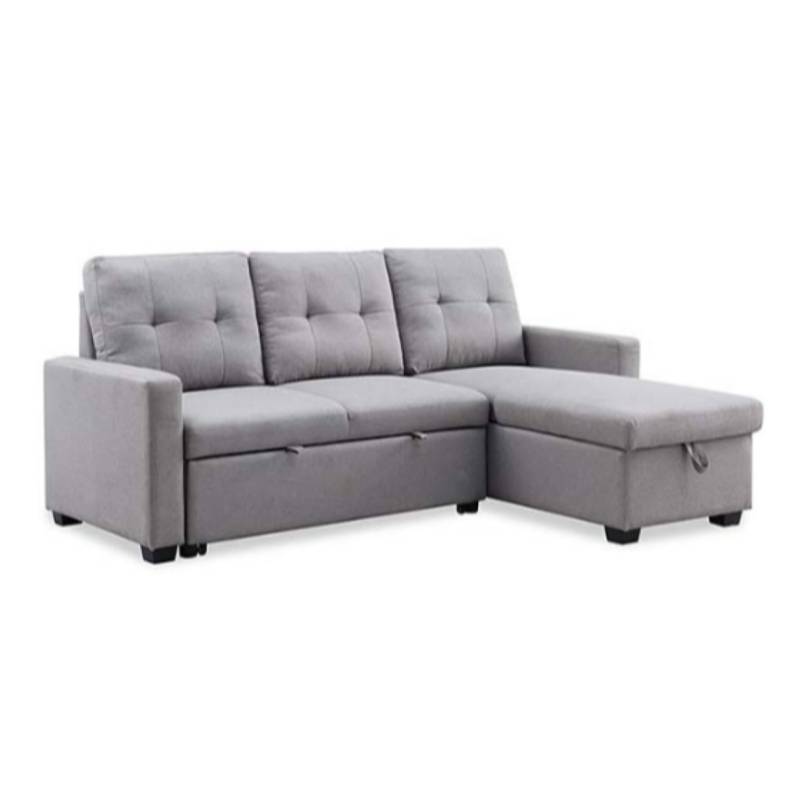
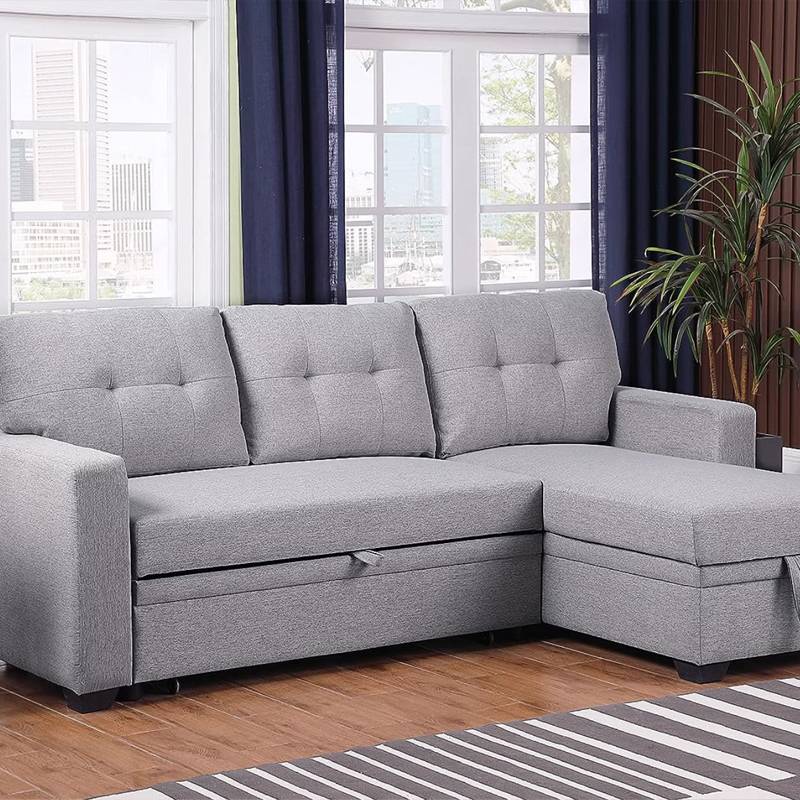
In today’s flexible lifestyles and increasingly versatile living spaces, the sectional sofa sleeper bed has emerged as more than just furniture — it’s a solution to space constraints, guest accommodation, and stylish multifunctionality. Unlike traditional sofa beds, sectional sleeper sofas combine extensive seating, ergonomic comfort, and guest‑ready sleeping solutions within one piece of furniture.
But with so many options on the market, how do you choose the right one for your home? In this comprehensive guide, we’ll walk you through everything you need to know — from design and comfort factors, mechanism types, case studies, space optimization strategies, and practical comparisons — so you can confidently pick the best sectional sofa sleeper bed for your lifestyle.
Understanding the Anatomy of Sectional Sofa Sleeper Beds
Before diving deep, it helps to clarify what exactly a sectional sofa sleeper bed is and how it differs from standard sofa beds.
What Is a Sectional Sofa Sleeper Bed?
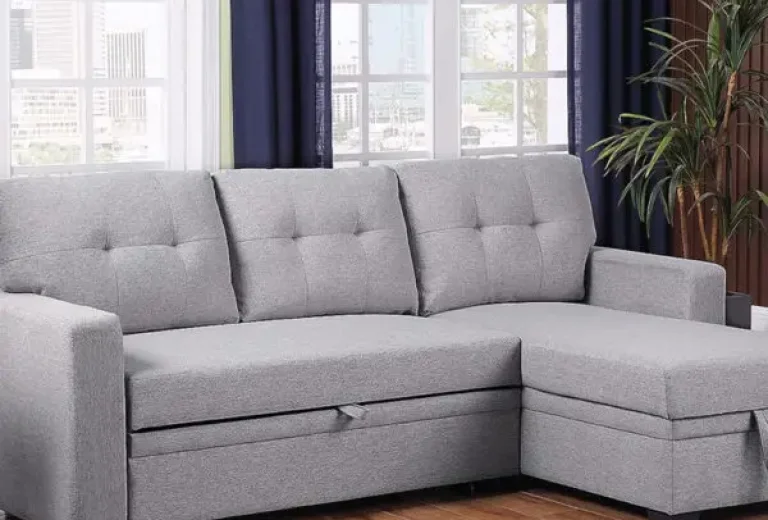
A sectional sofa sleeper bed is essentially a modular seating system that combines:
- Sectional seating — multiple sofa pieces joined together to create an L, U, or modular configuration;
- Extendable sleeping surface — integrated mattress or pull‑out bed hidden within the central section;
- Dual‑purpose use — comfortable seating by day and a best‑in‑class sleeping solution by night.
Sectional sleepers outperform traditional sleeper sofas in space efficiency and hosting versatility, making them ideal for living rooms, studios, guest rooms, and multi‑purpose spaces.
This multifunctionality is why many homeowners are now opting to replace bulky sofas and standalone guest beds with one convertible sectional. For more inspiration, check out examples of stylish convertible layouts at mhglobalintl.com/sectional‑sofa‑bed‑smart‑living‑for‑small‑spaces. mhglobalintl.com
Why Sectional Sofa Sleepers Are Trending in 2025
Data‑Driven Insight: Growth in Multifunctional Furniture Searches
According to recent furniture trend reports, online search volumes for convertible or multifunctional furniture — especially sofa beds and sleeper sectionals — have increased year‑over‑year by 24%, driven by smaller living spaces and remote work environments. While precise search volume data varies by region, industry sources affirm this rising demand. Chosen Furniture
Key reasons this furniture category is soaring:
| Trend Factor | Why It Matters |
|---|---|
| Urban living & smaller floorplans | More demand for furniture that does double duty in limited space. |
| Guest‑ready homes | People want attractive seating that instantly converts into a comfortable bed. |
| Work‑from‑home spaces | Flexible seating helps create productive home offices that double as lounges. |
| Design innovation | Modern mechanisms now rival traditional mattresses for comfort and support. |
This table clearly outlines the foundational drivers behind the sectional sleeper trend — a must‑know if you want to understand why this furniture category is no longer just a niche choice.
Core Features to Evaluate Before Buying Your Sectional Sofa Sleeper Bed
Let’s break down the most critical areas you should assess when selecting a sectional sleeper, from mechanics to materials and user comfort.
Size & Configuration — First Step in Choosing the Right Fit
Before considering aesthetics or price, you must define your spatial needs. Begin by measuring your living area dimensions and mapping out paths where the sofa would extend when opened into bed mode. As some sectional sleepers can extend up to 80 inches deep when fully deployed, clearances and walkways matter. Resident Magazine
Standard sectional sleeper size guide:
| Room Type | Recommended Sleeper Section Size |
|---|---|
| Studio Apartment | 80–95″ wide sectional with corner chaise |
| Medium Living Room | L‑shaped sleeper with pull‑out queen |
| Large Open Plan | U‑shaped sectional with multiple seating + sleeper |
Materials & Upholstery — A Matter of Durability, Look, & Feel
Material choice not only defines comfort and aesthetics but also long‑term durability. Here’s how to approach it:
- Performance Fabrics: Durable against wear, stains, and frequent use — ideal for homes with pets or kids.
- Natural Fibers: Linen and cotton blends give a softer feel but may require more care.
- Leather / Faux Leather: Easy to clean and very durable, though it may feel firmer over prolonged sitting.
External expertise suggests choosing breathable and stain‑resistant materials for homes with heavy use or entertaining needs. Chosen Furniture
Mattress & Mechanism Comparison — Sleep Experience Matters
The sleeper mechanism is arguably the heart of any sectional sofa bed. The two main types are:
| Mechanism Type | Key Advantages | Intended Use |
|---|---|---|
| Pull‑Out Bed | Full mattress, strong long‑term comfort | Frequent guest sleep |
| Bi‑Fold / Click‑Clack | Space saving, easier conversion | Occasional guest use |
| Wall‑Hugger | Requires minimal clearance | Tight rooms |
According to furniture conversion mechanics data, pull‑out sleepers generally last longer and provide better mattress support, while click‑clack and bi‑fold models are easier to operate and slightly less expensive. softbedroom.com
Real‑World Case Studies: Picking the Right Sectional Sofa Sleeper Bed
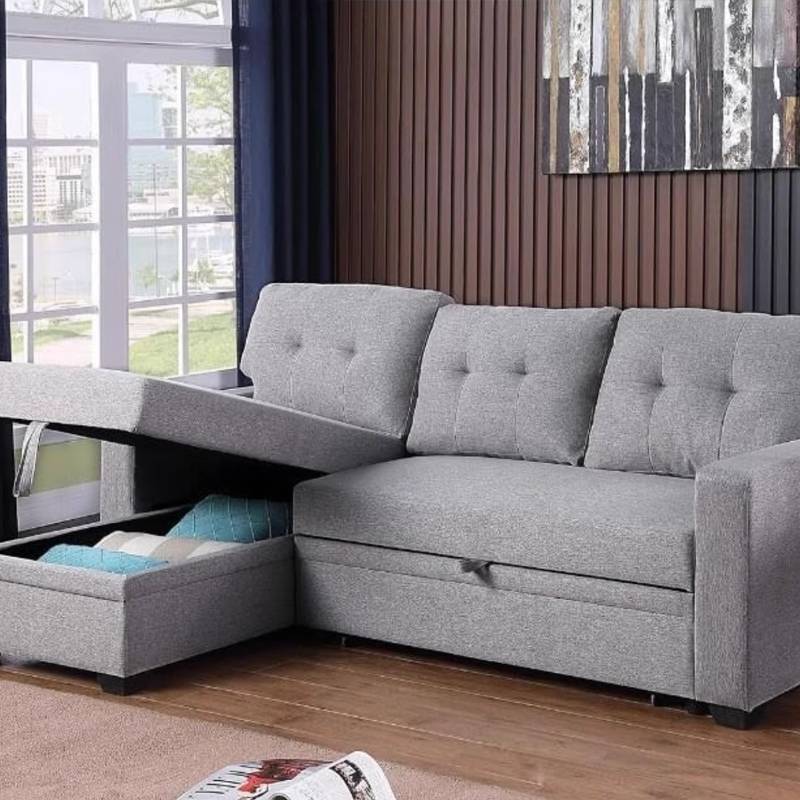
Below are two detailed case scenarios that illustrate how you might choose the right sectional sofa sleeper bed for your home.
Case Study: Small Urban Studio — Maximizing Space Without Sacrificing Comfort
Scenario:
A 550 sq. ft. urban studio apartment in New York City where the living room doubles as a bedroom and home office.
Solution:
A corner L‑shaped sectional sleeper with built‑in storage and reversible chaise unit.
Key Decisions:
- Compact but Modular: Sectional orientation for defining zones.
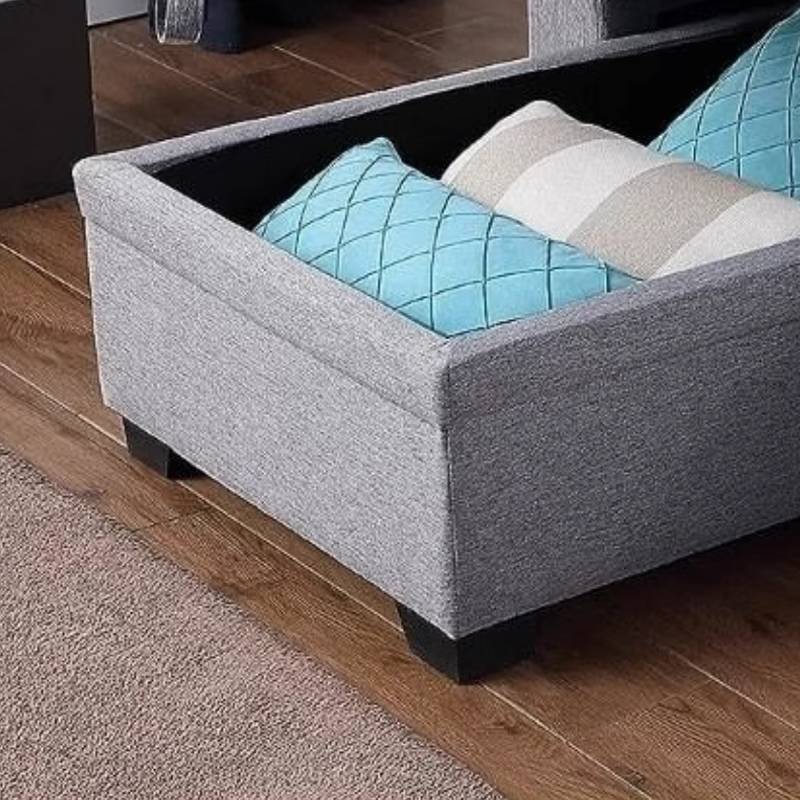
- Hidden Storage: Under‑seat storage used for bedding and accessories.
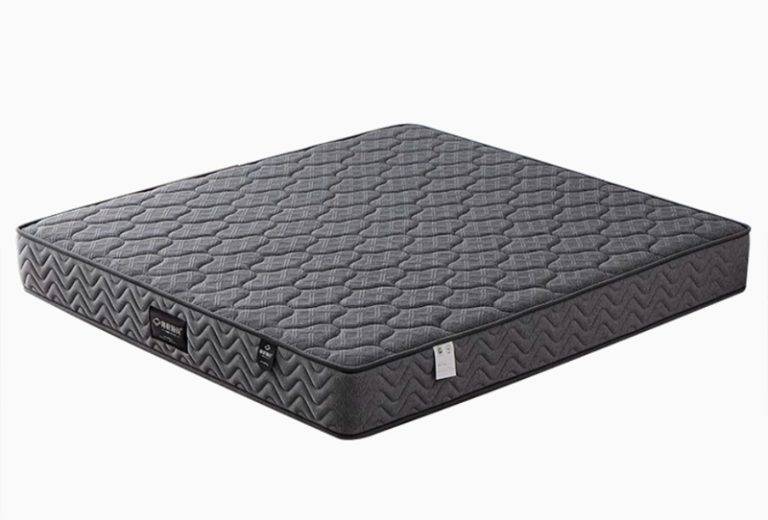
- Comfort Priority: Memory foam mattress convertible bed system.
Outcome:
The apartment maintains a spacious layout while offering a comfortable bed every night. Explore similar designs and space‑saving sectional solutions here: mhglobalintl.com/small‑spaces‑with‑a‑sectional‑sofa‑bed‑couch. mhglobalintl.com
Case Study: Medium Sized Home — Guest‑Ready & Everyday Comfort
Scenario:
A 1,200 sq. ft. family home where the living room doubles as entertainment, play space, and guest sleeping area.
Solution:
A larger U‑shaped sleeper sectional with a queen pull‑out mattress and a dedicated storage chaise.
Key Decisions:
- Flexible Hosting: Queen‑size pull‑out gives real bed comfort.
- Material Choice: Performance fabric for durability.
- U‑Shape Layout: Offers seating for large family gatherings.
Outcome:
The configuration becomes an entertainment hub by day and a comfortable guest bedroom by night — without feeling like a makeshift solution.
Side‑by‑Side Comparison: Sectional vs. Traditional Sofa Bed vs. Futon
Here’s a high‑level comparison to help you understand when a sectional sleeper makes the most sense:
| Feature / Type | Sectional Sofa Sleeper | Traditional Sofa Bed | Futon |
|---|---|---|---|
| Seating Capacity | High | Medium | Low |
| Sleeping Comfort | High | Medium | Low‑Medium |
| Space Efficiency | High | Medium | High |
| Storage Options | Often Built‑In | Rare | Rare |
| Aesthetic Versatility | High | Medium | Low |
As you can see, sectional sleeper beds offer the best balance of space, comfort, and multi‑use functionality.
Maintaining Your Sectional Sofa Sleeper Bed for Longevity
To ensure your sofa bed remains a worthy investment, follow these best practices:
- Regular Vacuuming: Keep fabric surfaces free of dust and debris.
- Tighten Mechanism Hardware: Check bolts and mechanisms quarterly.
- Rotate Cushions: Helps prevent uneven wear.
- Use Mattress Protectors: Extends sleeper mattress life.
Conclusion
A sectional sofa sleeper bed isn’t just furniture — it’s a lifestyle upgrade. From optimizing small living spaces to creating comfortable, guest‑ready rooms without extra beds, this furniture category solves real lifestyle challenges with practical elegance.
By prioritizing the right size, durable materials, smart storage, and reliable mechanisms, you can select a sectional sleeper that will truly serve your home for years to come.
FAQ
What size sectional sofa sleeper bed should I choose for a small apartment?
For most apartments under 800 sq. ft., choose a compact L‑shaped sectional with storage that doesn’t overwhelm the room footprint.
Are sectional sleeper sofas comfortable enough for nightly use?
Yes — especially models with memory foam or high‑quality spring mattresses. Look for designs with thicker support layers and ergonomic configuration. Resident Magazine
How much clearance should I plan for when choosing a sleeper sectional?
Ideally, ensure at least 80″ of depth clearance for full extension of the sleeper bed and easy walkways around the sofa. Resident Magazine
Can I install a sectional sleeper in a rental apartment?
Absolutely — many designs are modular and manageable for transport through narrow doorways and stairwells.
What fabrics are best for homes with pets?
Performance weaves and stain‑resistant upholstery are best. They resist wear and are easy to clean — especially if you have active pets. Chosen Furniture
Does adding storage to a sectional sleeper compromise comfort?
Not if designed correctly. Many modern sectional sleepers integrate hidden storage without affecting seat comfort or sleeper stability.
How do I clean a sectional sleeper bed?
Check manufacturer recommendations, but generally spot clean with mild detergents and vacuum regularly.
Is it worth investing more in a high‑end mechanism?
Yes — smoother, reinforced mechanisms last longer and improve the day‑to‑bed transition experience. softbedroom.com